SpaceX Prepares Starlink Launch Amid Close Satellite Encounters
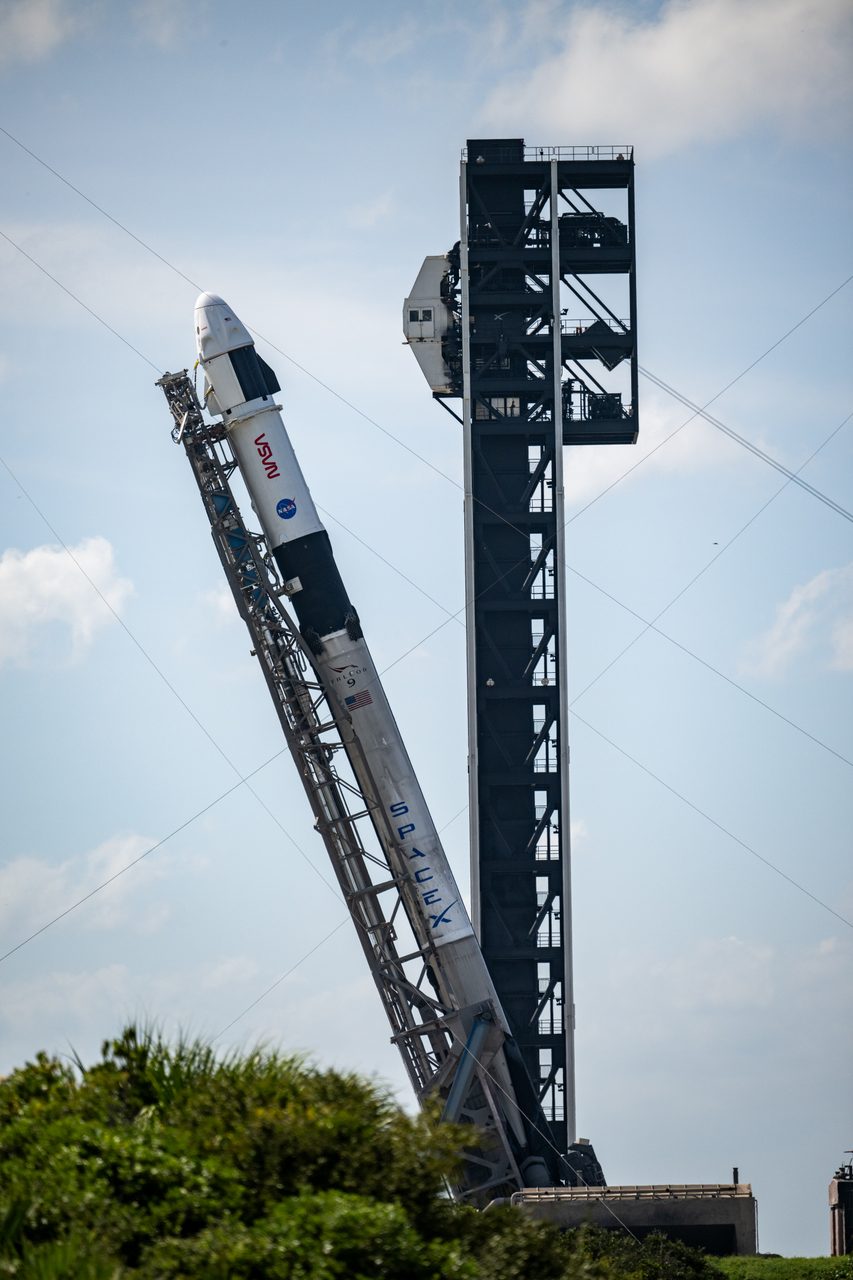
SpaceX is readying a Falcon 9 launch of 24 Starlink satellites, while several close satellite encounters have been monitored.
SpaceX is poised to launch 24 Starlink satellites today from Vandenberg Space Force Base, using a Falcon 9 rocket. This mission will add to the already significant constellation of Starlink satellites, which currently numbers 10,747 in total, with 9,518 operational. The launch is part of SpaceX's ongoing efforts to expand global internet coverage.
Close Satellite Approaches
Several close approaches between satellites have been recorded, highlighting the increasing congestion in low Earth orbit. Notably, TIANHUI 5C and TIANHUI 5D came within approximately 1.05 km of each other. Such events underscore the importance of monitoring and managing satellite traffic to prevent potential collisions. For more detailed tracking of these events, the Orbital Radar Debris Map offers real-time data.
What to Watch
While no new launches are scheduled immediately following today's Starlink mission, the space community remains vigilant for upcoming events. The Orbital Radar Launch Schedule provides updates on future launches and missions. Additionally, with 21 satellite re-entries predicted soon, observers can track these events using the Re-entry Tracker.
Frequently Asked Questions
How many Starlink satellites are operational?
What is a close satellite approach?
📎 Cite this article
Orbital Radar Newsroom. (2026). SpaceX Prepares Starlink Launch Amid Close Satellite Encounters. Orbital Radar. https://orbitalradar.com/blog/orbital-briefing-2026-05-04"SpaceX Prepares Starlink Launch Amid Close Satellite Encounters." Orbital Radar, 4 May 2026, https://orbitalradar.com/blog/orbital-briefing-2026-05-04.@misc{orbitalradar_orbital_briefing_2026_05_04,
title = {SpaceX Prepares Starlink Launch Amid Close Satellite Encounters},
author = {{Orbital Radar}},
year = {2026},
howpublished = {\url{https://orbitalradar.com/blog/orbital-briefing-2026-05-04}}
}