Understanding Orbital Inclination: The Angles of Satellite Orbits

Orbital inclination is the angle between a satellite's orbit and the Earth's equator, crucial for mission objectives.
Orbital inclination is the angle between the plane of a satellite's orbit and the Earth's equatorial plane. This angle is crucial as it determines the satellite's path over the Earth and its coverage area. For instance, a satellite with a 0-degree inclination orbits directly above the equator, while a 90-degree inclination indicates a polar orbit, passing over the poles.
How Orbital Inclination Affects Satellite Coverage
The inclination of a satellite's orbit affects its coverage area on Earth. Satellites with low inclinations, such as geostationary satellites, remain fixed over the equator, providing consistent coverage to specific regions. In contrast, polar-orbiting satellites, with inclinations near 90 degrees, cover the entire Earth as the planet rotates beneath them. This makes them ideal for global monitoring tasks, such as weather observation and reconnaissance.
Why Different Missions Require Different Inclinations
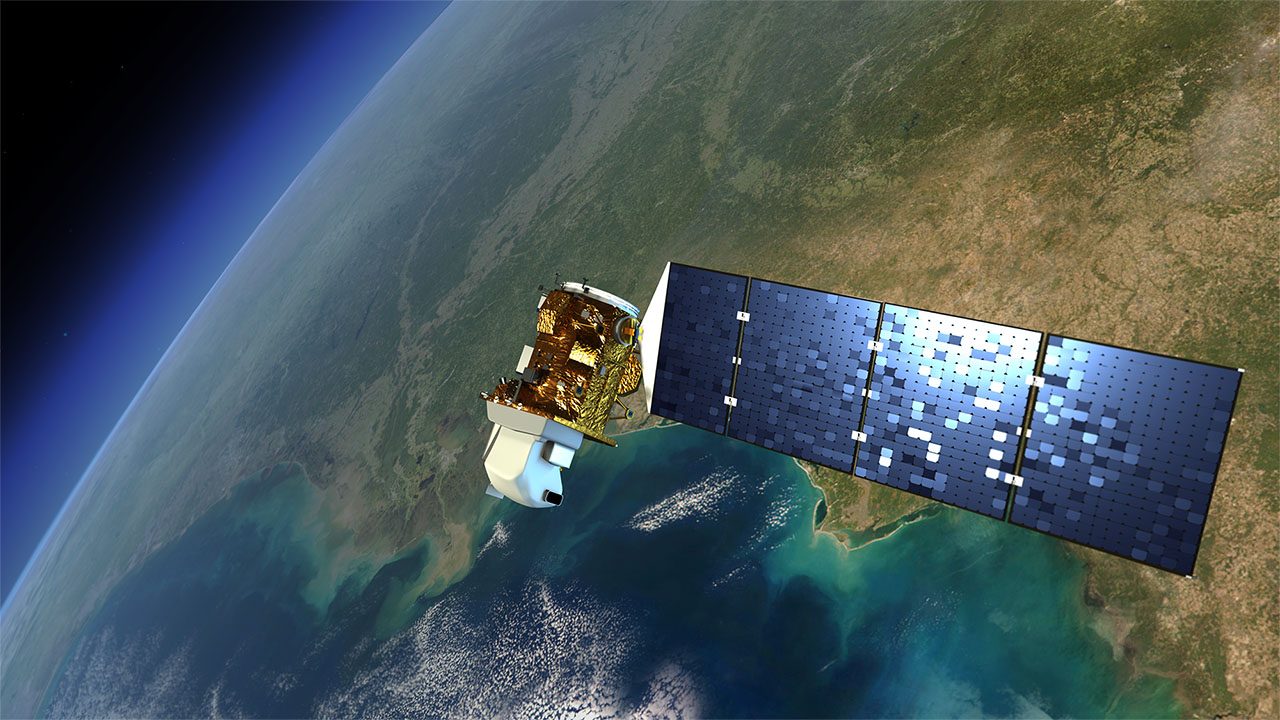
Different missions require specific orbital inclinations to achieve their objectives. For example, communication satellites often use low inclinations to maintain a fixed position relative to the Earth's surface, ensuring reliable service to specific areas. Conversely, Earth observation missions, like those conducted by NASA's Landsat programme, use higher inclinations to capture images of the entire planet. The choice of inclination is a critical part of mission planning, balancing coverage needs with launch vehicle capabilities.
Inclination and Launch Sites: Strategic Considerations

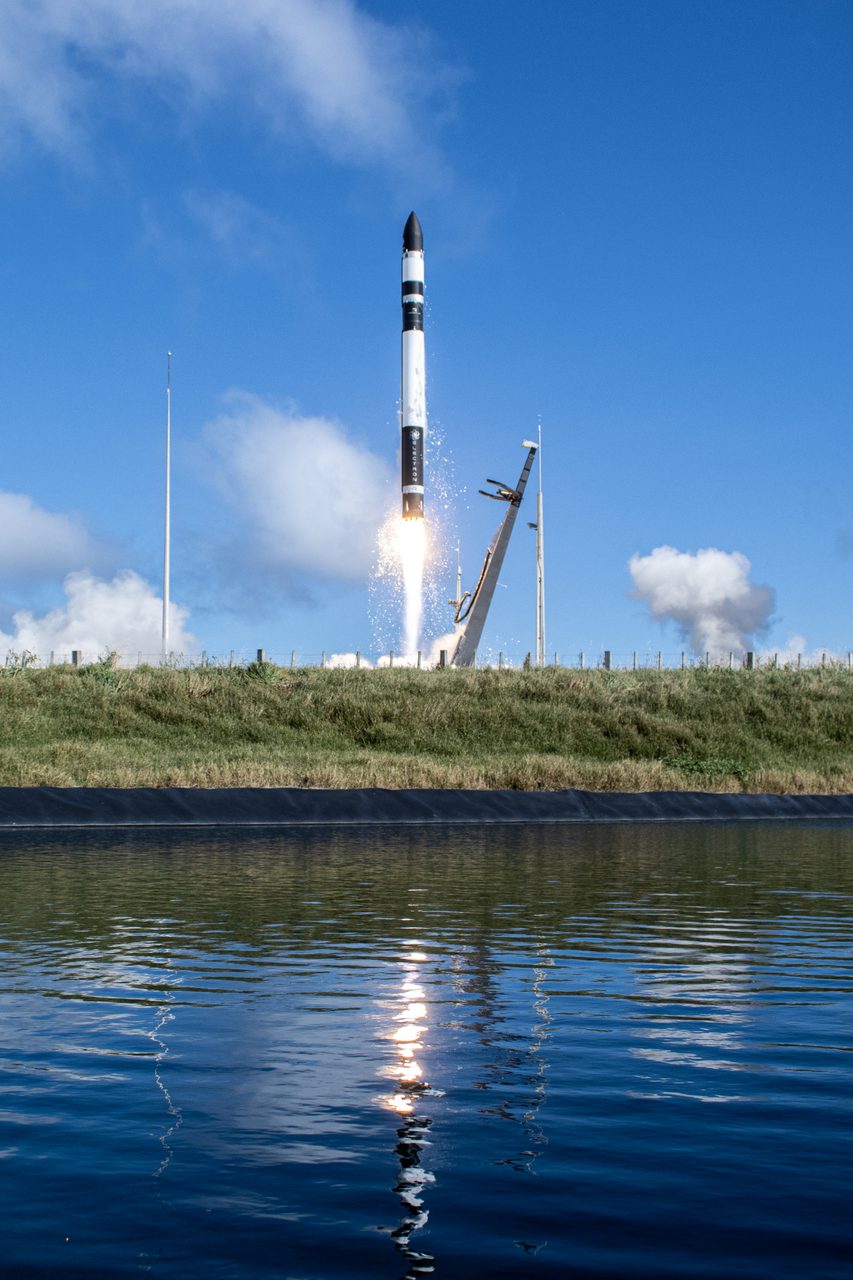
The location of a launch site significantly influences the achievable orbital inclinations. For instance, launches from Cape Canaveral in Florida, USA, typically result in lower inclination orbits due to its proximity to the equator. In contrast, sites like Vandenberg Air Force Base in California are preferred for polar orbits, as they allow launches directly southward over open ocean. The choice of launch site is often a compromise between desired inclination, safety, and cost.
Inclination in the Context of Space Debris

Orbital inclination also plays a role in space debris management. The distribution of debris is not uniform; certain inclinations, such as those used by sun-synchronous satellites, have higher debris concentrations due to their popularity. Understanding these patterns is crucial for collision avoidance and satellite longevity. The Orbital Radar Debris Map provides a visual representation of debris distribution across different inclinations.
Key Takeaways
Orbital inclination is a fundamental parameter in satellite mission design, affecting coverage, mission objectives, and launch strategies. With over 18,000 active satellites and a growing number of missions, understanding inclination is vital for efficient space operations. For further insights, the Orbital Radar Glossary offers detailed definitions and explanations.
Frequently Asked Questions
What is orbital inclination in simple terms?
Why are polar orbits important?
How does launch site affect orbital inclination?
What is a sun-synchronous orbit?
How does orbital inclination affect space debris?
📎 Cite this article
Orbital Radar Newsroom. (2026). Understanding Orbital Inclination: The Angles of Satellite Orbits. Orbital Radar. https://orbitalradar.com/blog/orbital-inclination-explained"Understanding Orbital Inclination: The Angles of Satellite Orbits." Orbital Radar, 27 June 2026, https://orbitalradar.com/blog/orbital-inclination-explained.@misc{orbitalradar_orbital_inclination_explained,
title = {Understanding Orbital Inclination: The Angles of Satellite Orbits},
author = {{Orbital Radar}},
year = {2026},
howpublished = {\url{https://orbitalradar.com/blog/orbital-inclination-explained}}
}