How Solar Storms Threaten Satellites and Power Grids
Solar storms can disrupt satellites and power grids by inducing geomagnetic currents and radiation, posing risks to technology and infrastructure.
Solar storms, caused by intense solar activity, can severely disrupt satellites and power grids by inducing geomagnetic currents and radiation. These storms, also known as space weather events, are a significant concern for the 18,545 active satellites in orbit, including the 10,895 Starlink satellites. Understanding the mechanics and effects of solar storms is crucial for safeguarding our technological infrastructure.
What Are Solar Storms?
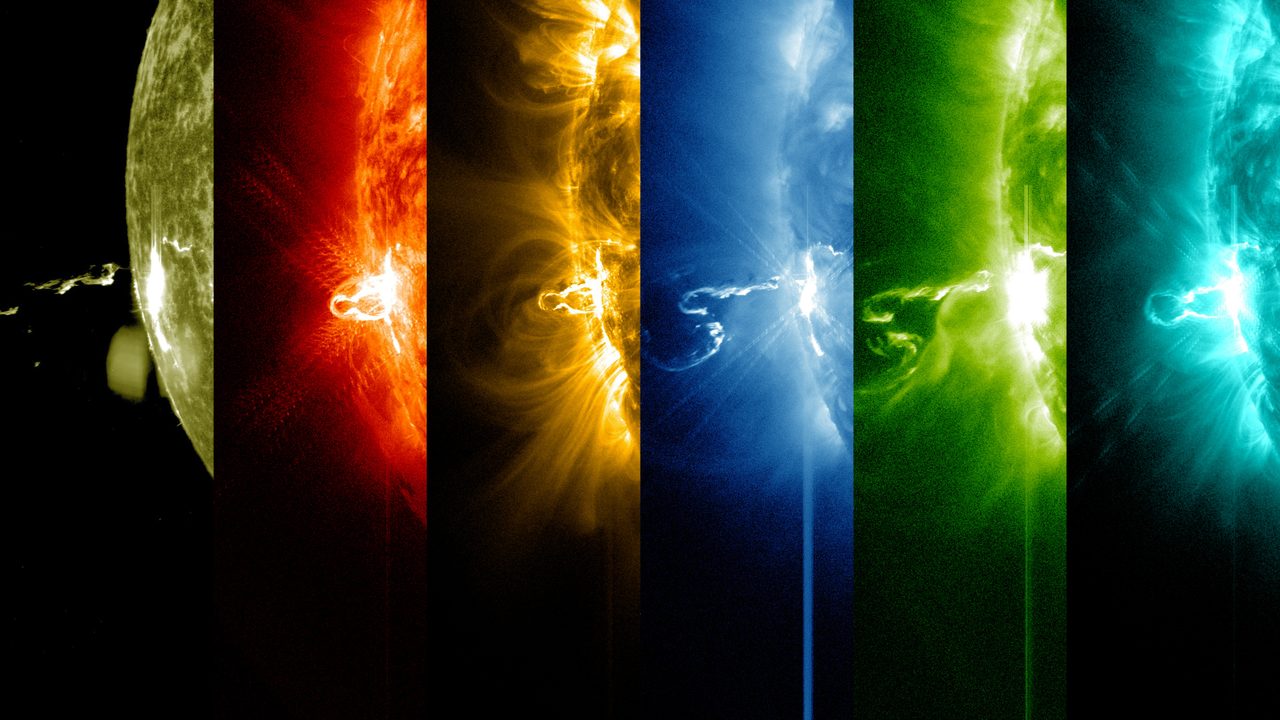
Solar storms originate from the Sun's atmosphere, where magnetic fields become twisted and release energy in the form of solar flares and coronal mass ejections (CMEs). These phenomena eject charged particles into space, which can interact with Earth's magnetic field. The intensity of these storms is measured using the Kp index, a scale from 0 to 9, with higher values indicating stronger geomagnetic activity. Learn more about space weather and its implications.
How Do Solar Storms Affect Satellites?
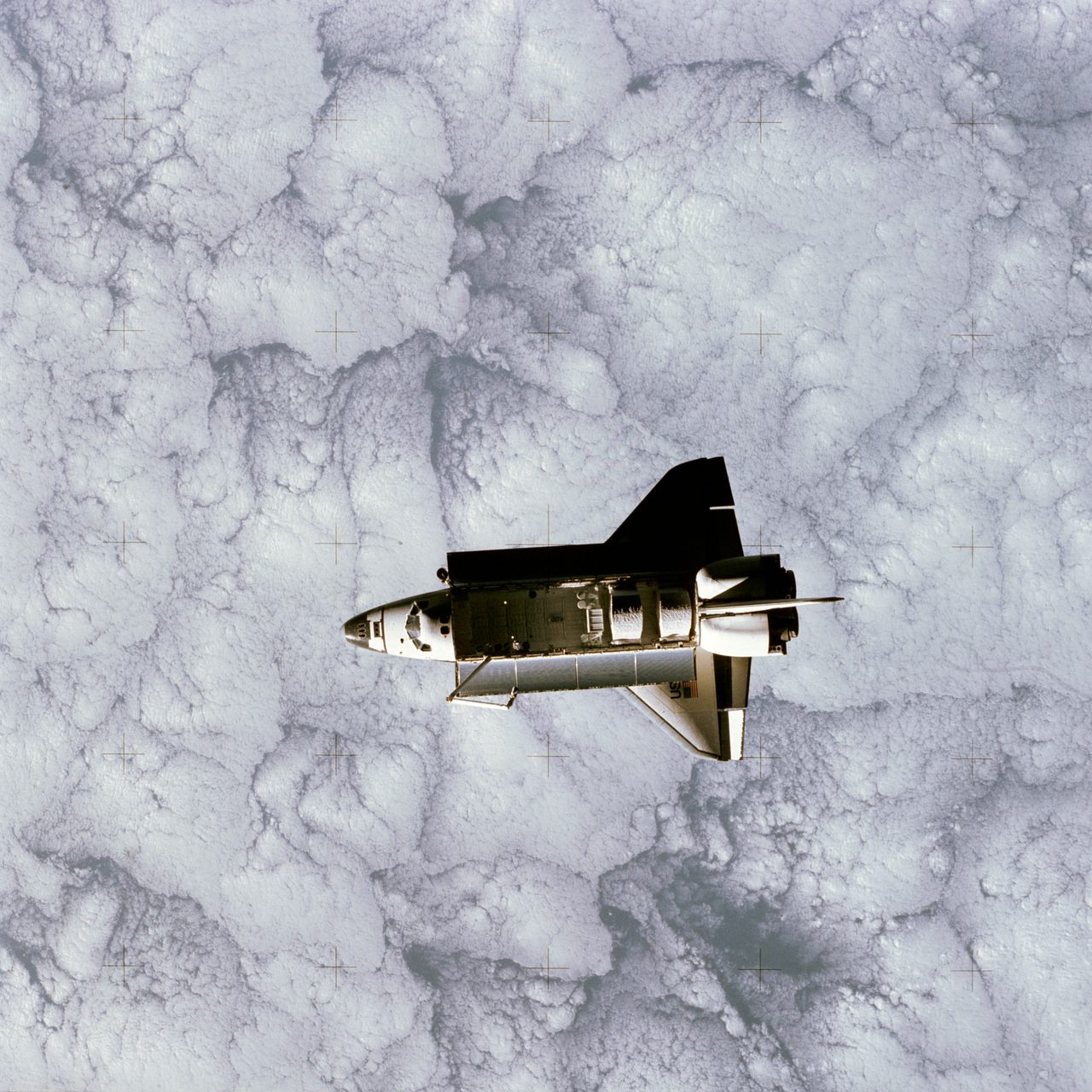
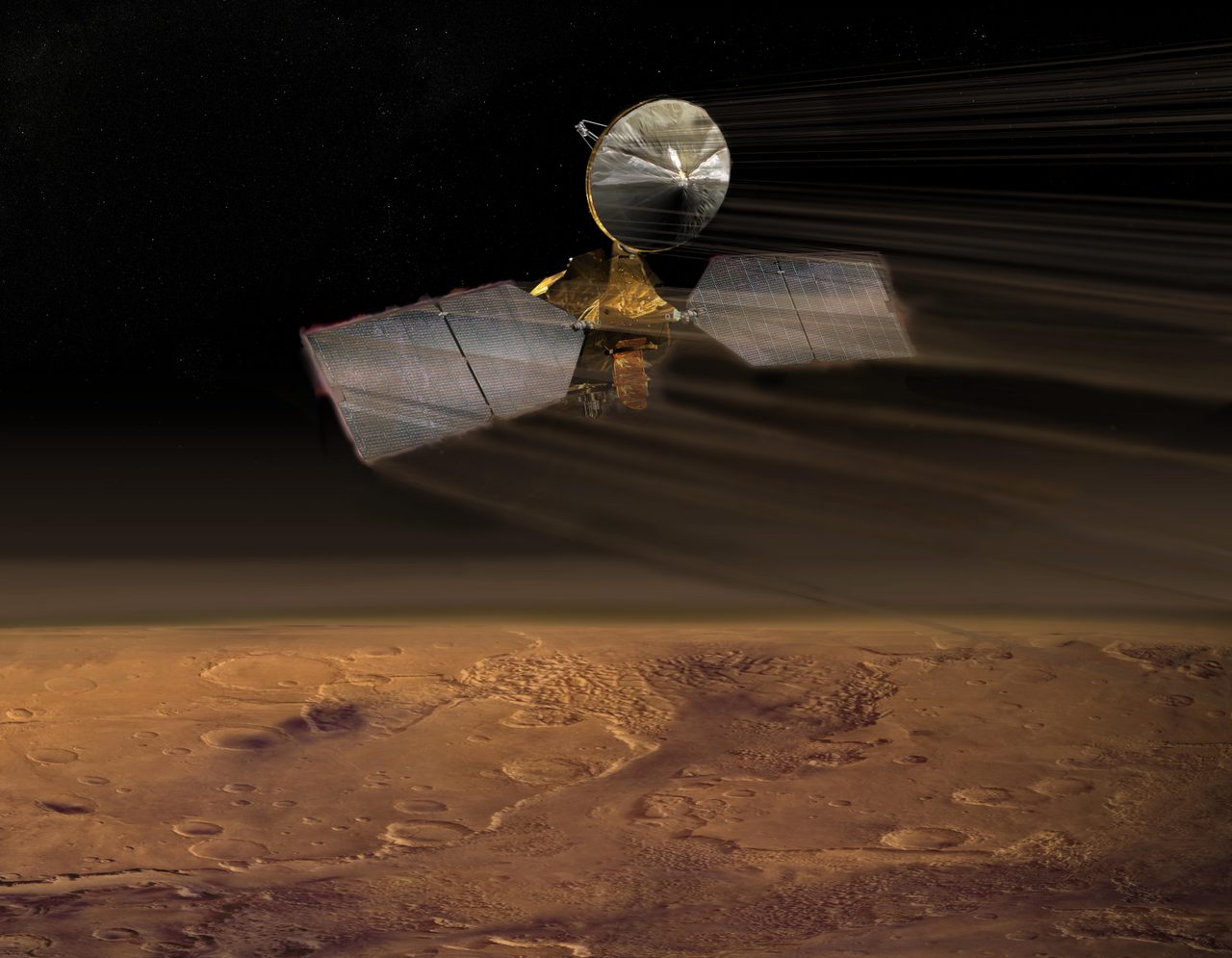
Satellites are vulnerable to solar storms due to their reliance on electronics and their position outside Earth's protective atmosphere. Charged particles from solar storms can penetrate satellite shielding, causing single-event upsets (SEUs) in microchips, which can lead to malfunctions or failures. Additionally, increased atmospheric drag during geomagnetic storms can alter satellite orbits, as evidenced by the 22 active close approaches currently being tracked. For more on satellite behaviour, visit our solar storms and satellites page.
Impact on Power Grids

Geomagnetic storms can induce electric currents in power lines, potentially leading to widespread blackouts. The most notable incident occurred in March 1989, when a geomagnetic storm caused a nine-hour blackout in Quebec, Canada. Power grid operators now monitor space weather forecasts to mitigate such risks. The integration of real-time data from sources like the space weather page is crucial for preventing future disruptions.
Mitigation Strategies for Satellites
To protect satellites from solar storms, engineers employ several strategies, including radiation-hardened components and redundant systems. Satellite operators may also temporarily shut down non-essential systems during high-risk periods. For instance, the Starlink constellation, with 9,717 operational satellites, adjusts orbits to minimise exposure to increased atmospheric drag. Upcoming re-entries, such as the 23 predicted soon, are closely monitored to ensure safety.
Monitoring and Forecasting Solar Activity
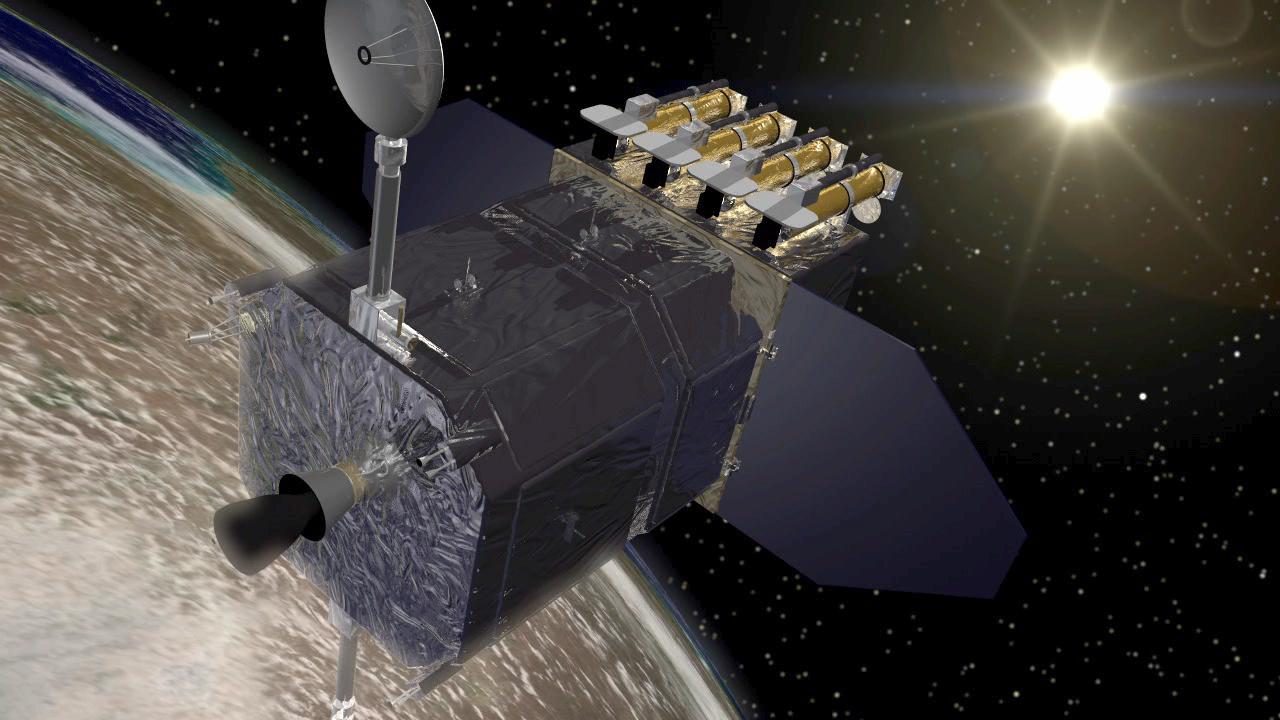
Space weather forecasting is essential for preparing for solar storms. Agencies like NASA and NOAA use a network of satellites, including the Solar and Heliospheric Observatory (SOHO), to monitor solar activity. These observations help predict the arrival of solar storms with greater accuracy, allowing for timely warnings. The solar storms and satellites page provides up-to-date information on current conditions.
Key Takeaways
Solar storms pose a significant threat to both satellites and power grids by inducing geomagnetic currents and radiation. Understanding and mitigating these effects is crucial for maintaining technological infrastructure. Continuous monitoring and forecasting of solar activity help mitigate risks, ensuring the safety and functionality of critical systems.
Frequently Asked Questions
How do solar storms affect satellites?
Can solar storms cause power outages?
What is a solar flare?
How are solar storms monitored?
What is the Kp index?
📎 Cite this article
Orbital Radar Newsroom. (2026). How Solar Storms Threaten Satellites and Power Grids. Orbital Radar. https://orbitalradar.com/blog/solar-storms-satellites-guide"How Solar Storms Threaten Satellites and Power Grids." Orbital Radar, 8 August 2026, https://orbitalradar.com/blog/solar-storms-satellites-guide.@misc{orbitalradar_solar_storms_satellites_guide,
title = {How Solar Storms Threaten Satellites and Power Grids},
author = {{Orbital Radar}},
year = {2026},
howpublished = {\url{https://orbitalradar.com/blog/solar-storms-satellites-guide}}
}