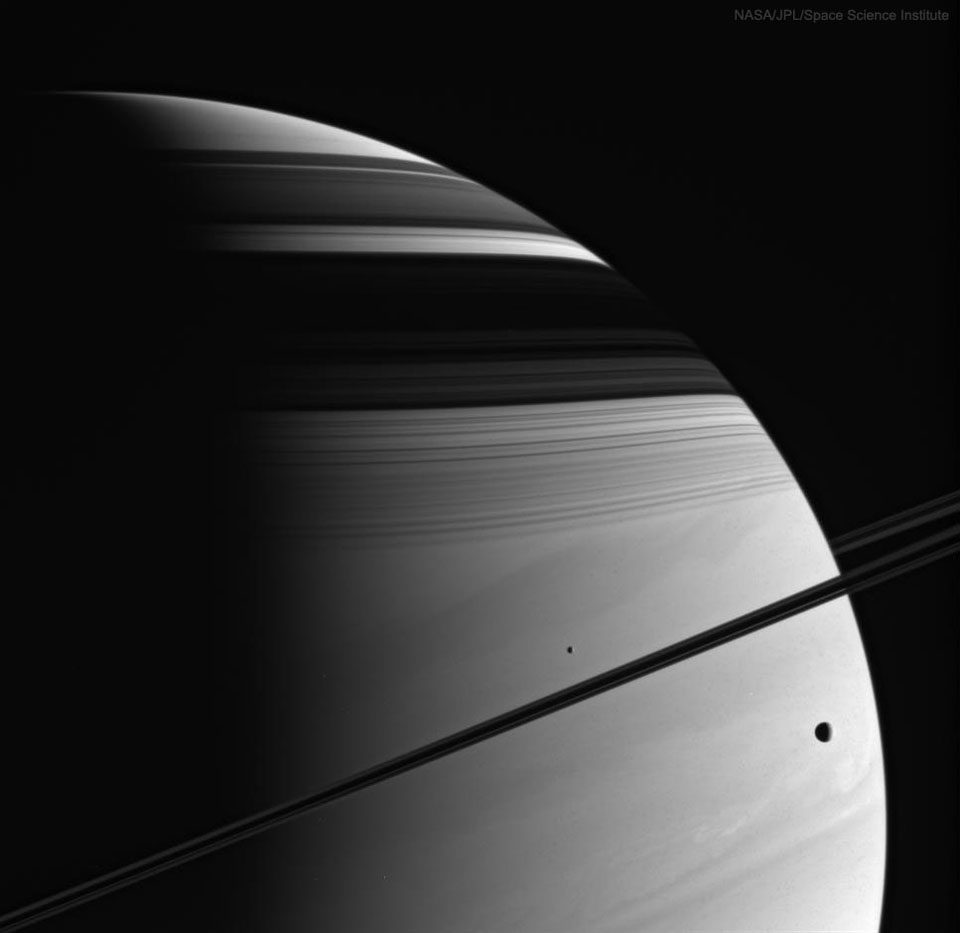
Saturn: The Floating Giant of Our Solar System

Discover why Saturn, the ringed giant, could float in water and learn about its significance in our solar system.
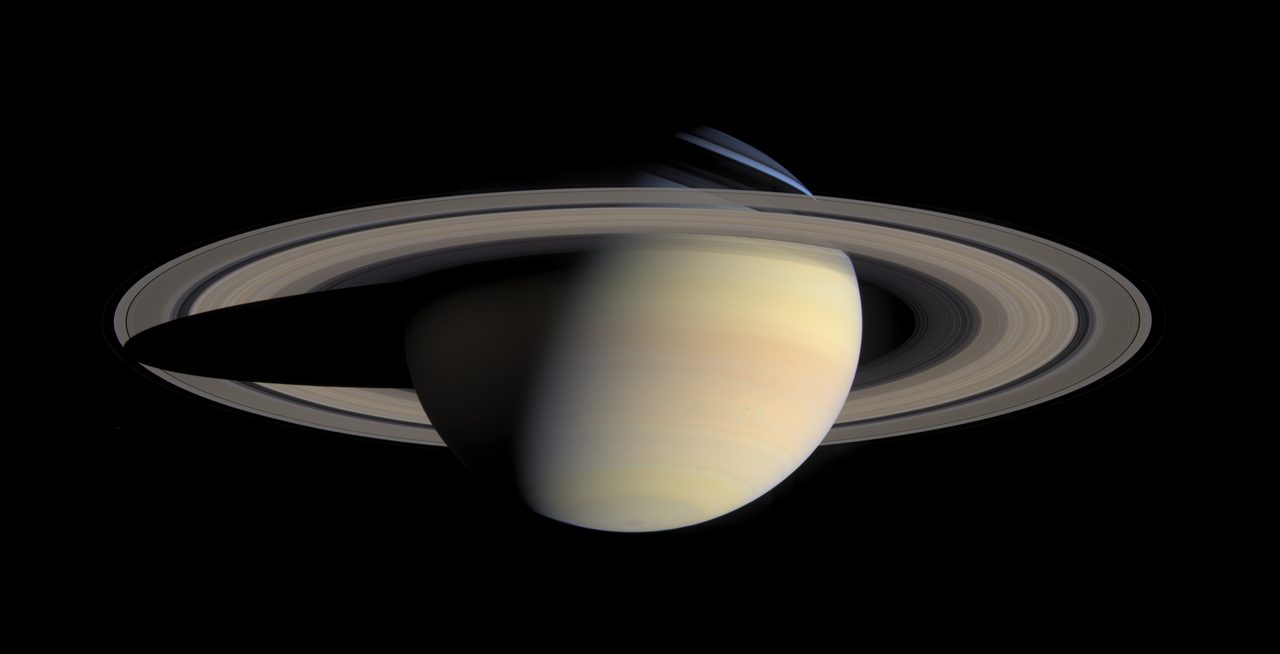
Saturn, the sixth planet from the Sun, is a celestial marvel not just for its stunning rings but also for its unique physical properties. Remarkably, Saturn's average density is less than that of water, meaning it could float if placed in a sufficiently large body of water. This characteristic is due to its composition, primarily hydrogen and helium, which are much lighter than the materials making up Earth and its rocky counterparts.
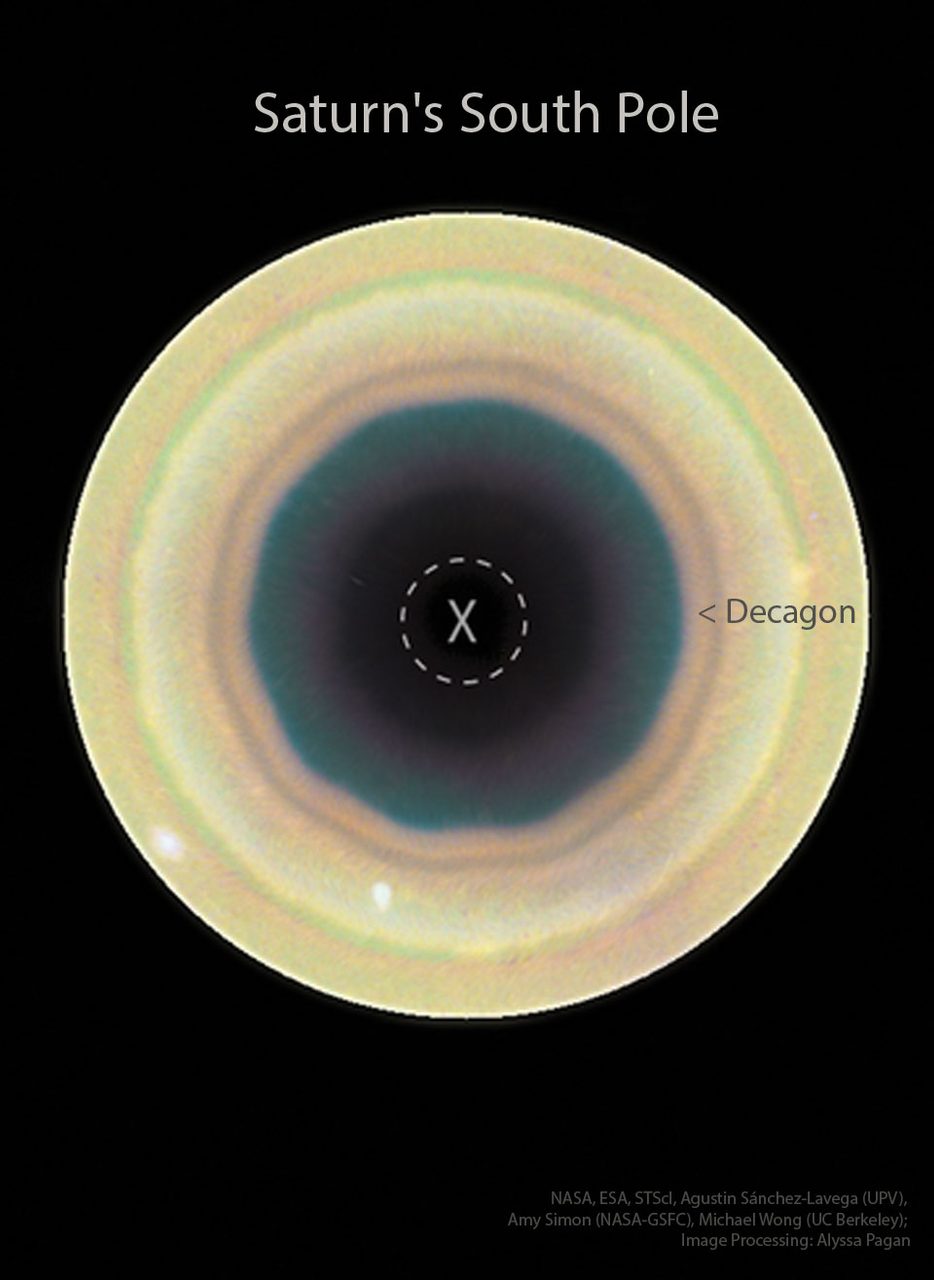
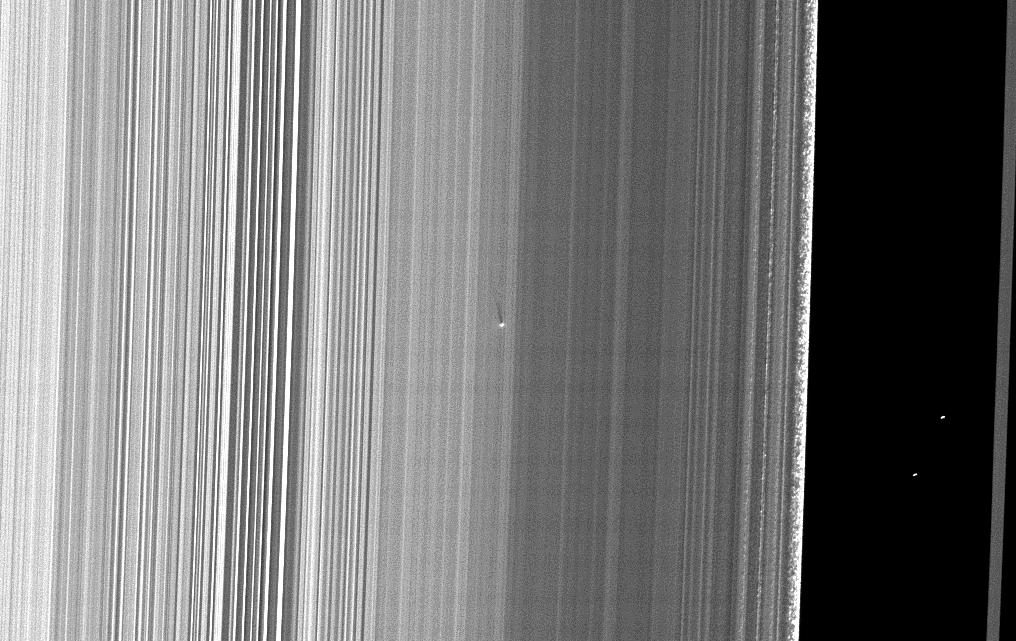
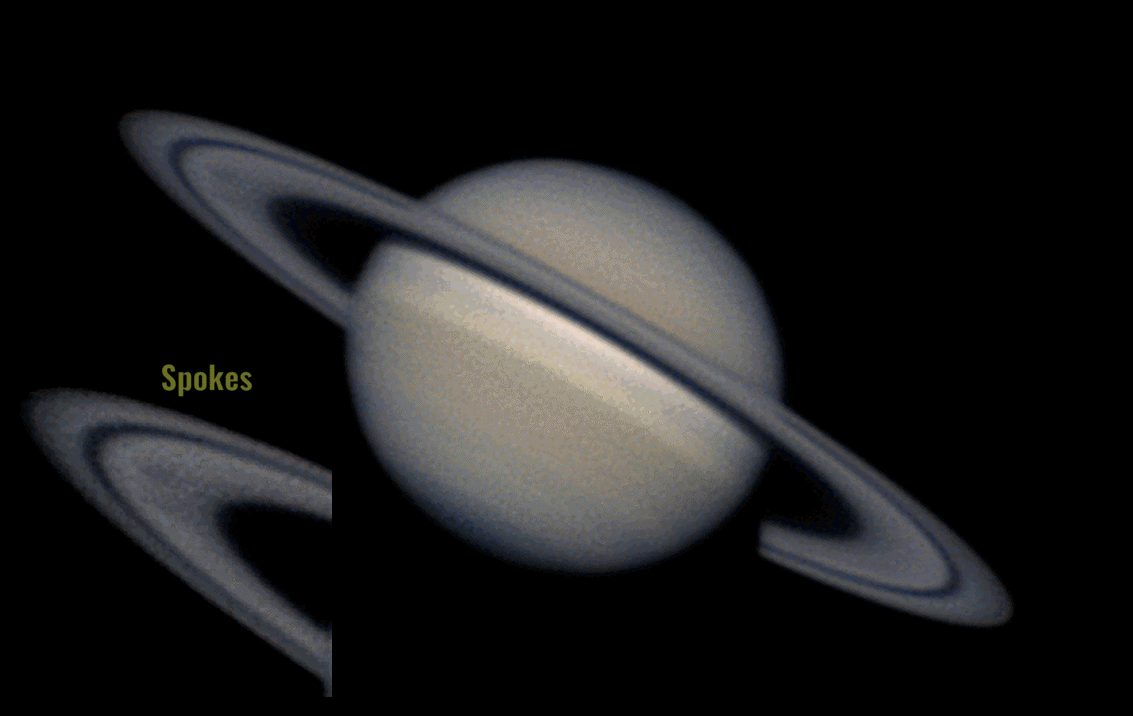
The planet's low density is a fascinating aspect of planetary science, offering insights into the formation and evolution of gas giants. Saturn's rings, composed of ice and rock particles, add to its allure, making it a popular subject for both amateur astronomers and professional researchers. The planet's visibility from Earth varies, but it often presents a stunning sight through telescopes, especially during opposition when it is closest to Earth.
Saturn's Place in the Cosmos
Saturn's unique properties are not just a curiosity but a window into the dynamics of our solar system. Its massive size and low density provide clues about the processes that govern planetary formation. The planet's gravitational influence extends far, affecting the orbits of numerous moons and contributing to the complex dance of celestial bodies.
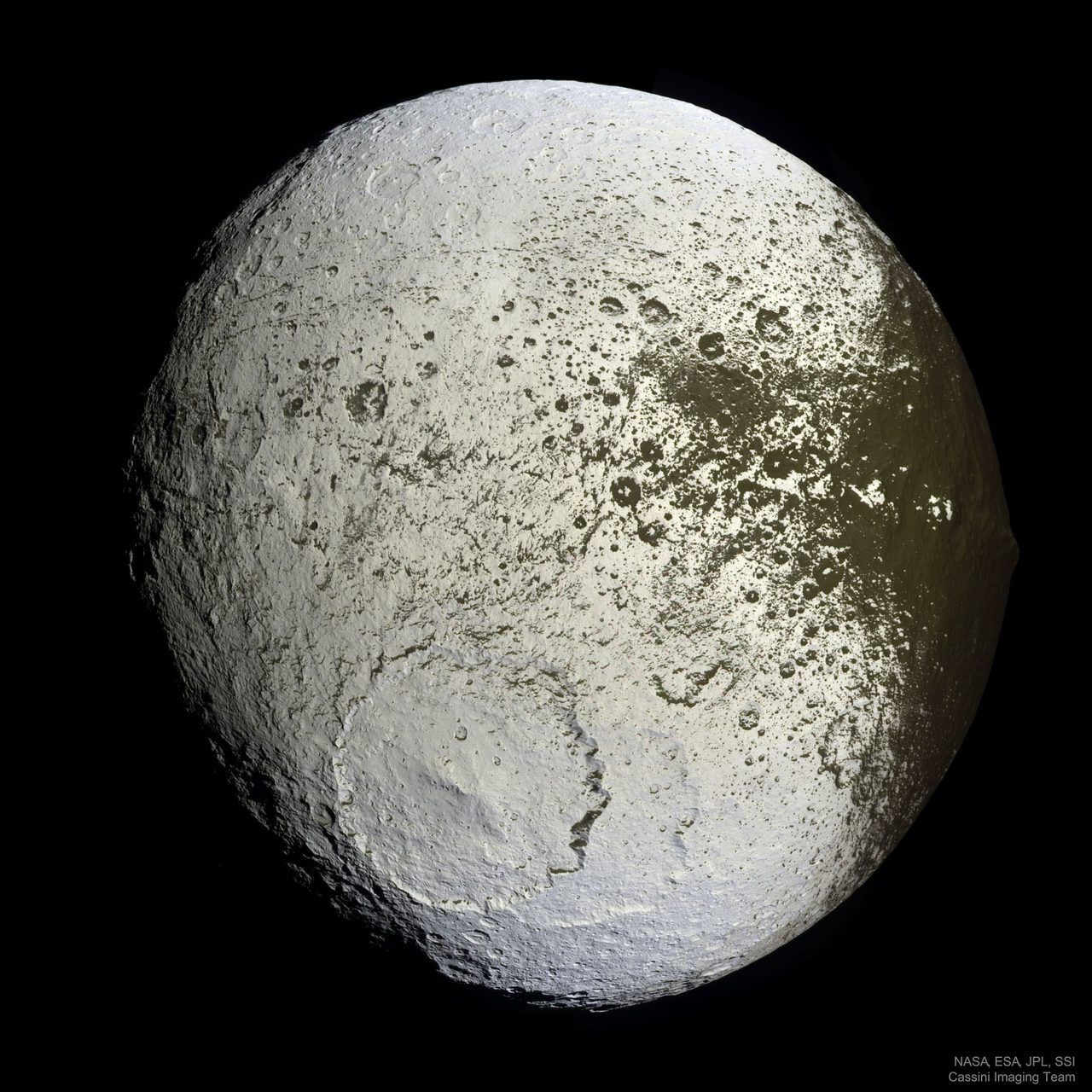
Current missions, such as the now-concluded Cassini-Huygens mission, have vastly expanded our understanding of Saturn. Cassini's detailed images and data have revealed intricate details about Saturn's rings and moons, particularly Titan, which has its own thick atmosphere. These missions underscore the importance of continued exploration, as each discovery raises new questions about the nature of planetary systems.
Observing Saturn and Related Tools
For those interested in observing Saturn, the planet is often visible with the naked eye, appearing as a bright, steady light in the night sky. A small telescope can reveal its rings, a sight that has captivated humanity since Galileo first observed them in 1610.
To track Saturn's position and visibility, enthusiasts can use tools like the Orbital Radar pass predictor, which provides detailed information on when and where to look for this gas giant. Additionally, the Space Agencies directory offers insights into ongoing and future missions that continue to explore Saturn and its intriguing features.
Frequently Asked Questions
Why can Saturn float in water?
How can I observe Saturn from Earth?
📎 Cite this article
Orbital Radar Newsroom. (2026). Saturn: The Floating Giant of Our Solar System. Orbital Radar. https://orbitalradar.com/blog/cosmic-gallery-2026-06-27"Saturn: The Floating Giant of Our Solar System." Orbital Radar, 27 June 2026, https://orbitalradar.com/blog/cosmic-gallery-2026-06-27.@misc{orbitalradar_cosmic_gallery_2026_06_27,
title = {Saturn: The Floating Giant of Our Solar System},
author = {{Orbital Radar}},
year = {2026},
howpublished = {\url{https://orbitalradar.com/blog/cosmic-gallery-2026-06-27}}
}