ISRO Missions: A Comprehensive Guide to India's Space Achievements

ISRO, India's space agency, has launched numerous missions, including Chandrayaan and Mangalyaan, marking significant achievements in space exploration.
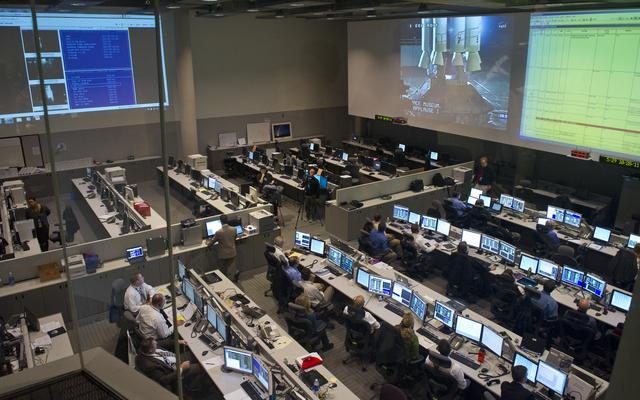
The Indian Space Research Organisation (ISRO) is India's national space agency, responsible for the country's space programme. Founded in 1969, ISRO has become a major player in space exploration, known for its cost-effective and innovative missions. The agency has launched a variety of missions, including satellites for communication, earth observation, and interplanetary exploration.
A Brief History of ISRO
ISRO was established in 1969, succeeding the Indian National Committee for Space Research (INCOSPAR). The agency's first satellite, Aryabhata, was launched in 1975. Over the decades, ISRO has developed a range of launch vehicles, including the Polar Satellite Launch Vehicle (PSLV) and the Geosynchronous Satellite Launch Vehicle (GSLV). These vehicles have been instrumental in deploying satellites for various purposes.
Major ISRO Missions: Chandrayaan and Mangalyaan
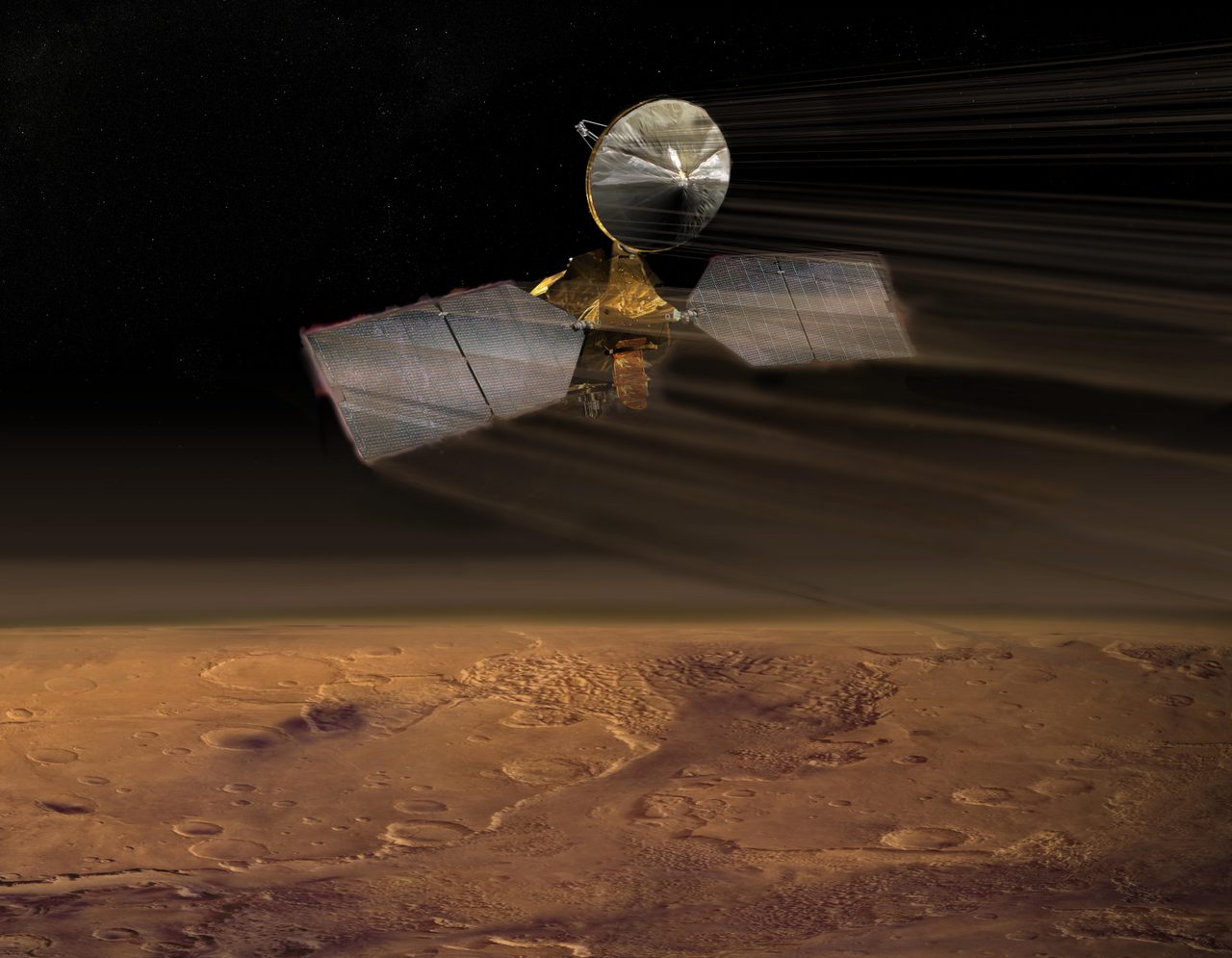
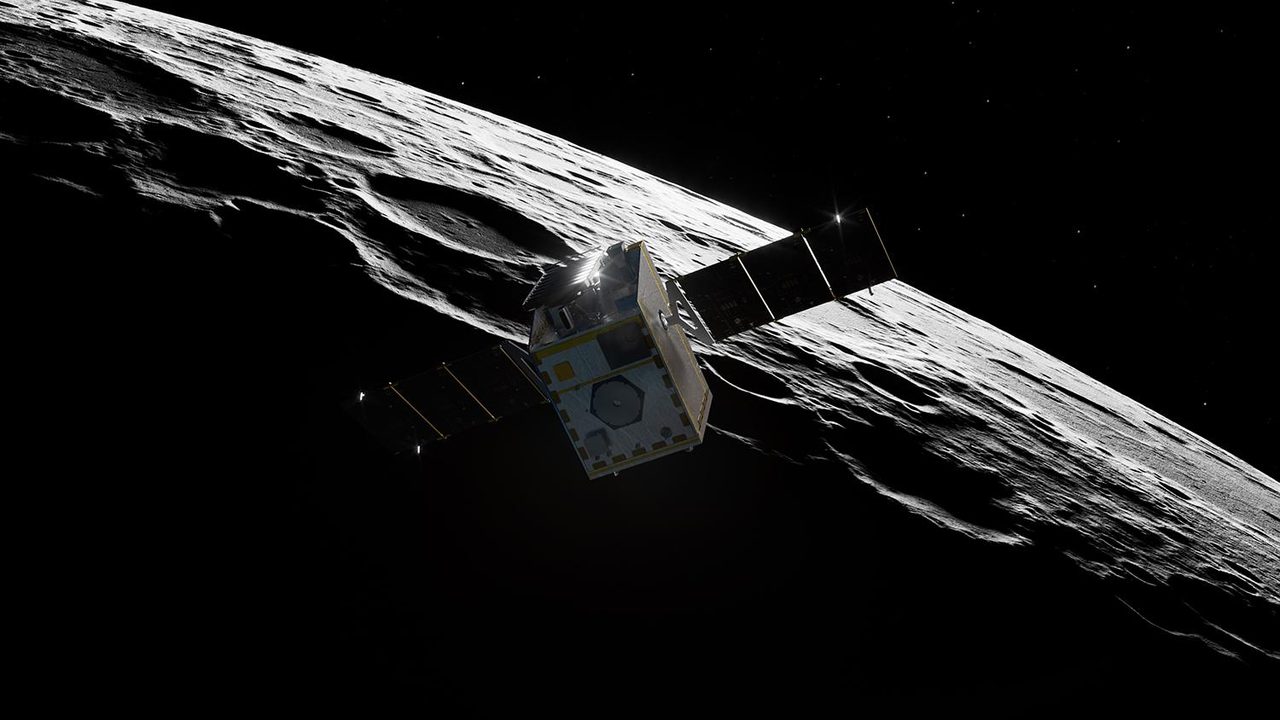
ISRO's Chandrayaan missions have been pivotal in lunar exploration. Chandrayaan-1, launched in 2008, was India's first mission to the Moon, and it confirmed the presence of water molecules on the lunar surface. Chandrayaan-2 followed in 2019, aiming to explore the Moon's south pole. Meanwhile, the Mars Orbiter Mission (Mangalyaan), launched in 2013, made India the first Asian nation to reach Martian orbit, achieving this feat on a remarkably low budget.
ISRO's Satellite Programmes
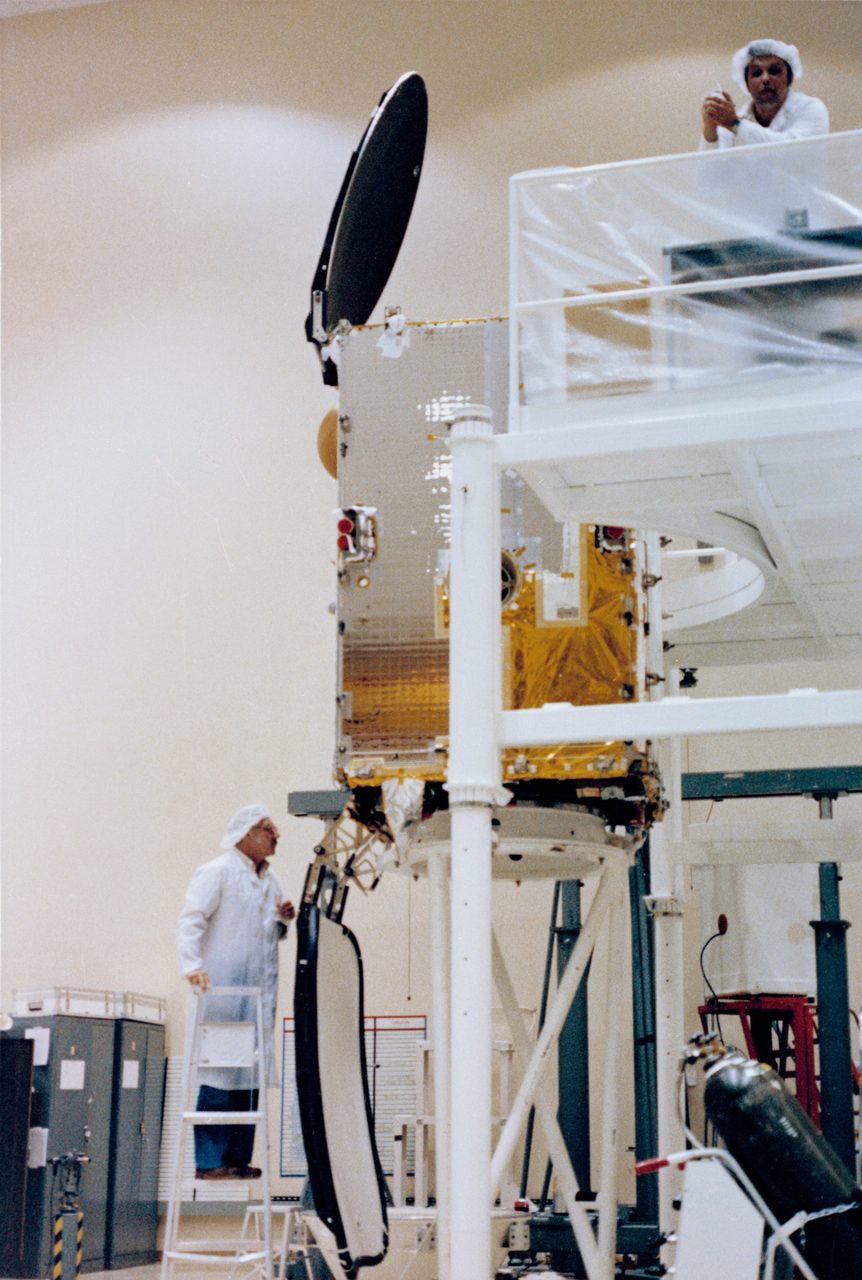
ISRO operates a diverse array of satellites for communication, navigation, and earth observation. The Indian National Satellite System (INSAT) supports telecommunications and meteorology, while the Indian Regional Navigation Satellite System (IRNSS) provides accurate positioning services. Earth observation satellites like the Cartosat series offer valuable data for agriculture, forestry, and disaster management.
Launch Vehicles: PSLV and GSLV
ISRO's launch vehicles are crucial for deploying satellites into orbit. The PSLV is known for its reliability and versatility, having launched over 300 satellites for various countries. The GSLV, with its higher payload capacity, is used for heavier satellites and geosynchronous missions. These vehicles have cemented ISRO's reputation as a reliable launch service provider.
Future Missions and International Collaborations
ISRO has ambitious plans for the future, including the Gaganyaan mission, which aims to send Indian astronauts into space. The agency is also collaborating internationally, working with NASA, ESA, and other space agencies on various projects. These collaborations enhance ISRO's capabilities and contribute to global space exploration efforts.
Key Takeaways
ISRO has established itself as a key player in the global space community through its innovative and cost-effective missions. From lunar and Martian exploration to satellite deployment, ISRO's achievements are significant. The agency's future plans, including human spaceflight and international partnerships, promise to further enhance its impact on space exploration.
Frequently Asked Questions
What is ISRO's most famous mission?
How many satellites has ISRO launched?
What is the purpose of the PSLV?
What are ISRO's future plans?
How does ISRO collaborate internationally?
📎 Cite this article
Orbital Radar Newsroom. (2026). ISRO Missions: A Comprehensive Guide to India's Space Achievements. Orbital Radar. https://orbitalradar.com/blog/isro-missions-guide"ISRO Missions: A Comprehensive Guide to India's Space Achievements." Orbital Radar, 5 August 2026, https://orbitalradar.com/blog/isro-missions-guide.@misc{orbitalradar_isro_missions_guide,
title = {ISRO Missions: A Comprehensive Guide to India's Space Achievements},
author = {{Orbital Radar}},
year = {2026},
howpublished = {\url{https://orbitalradar.com/blog/isro-missions-guide}}
}