Orbital Rendezvous and Docking: A Complete Explainer
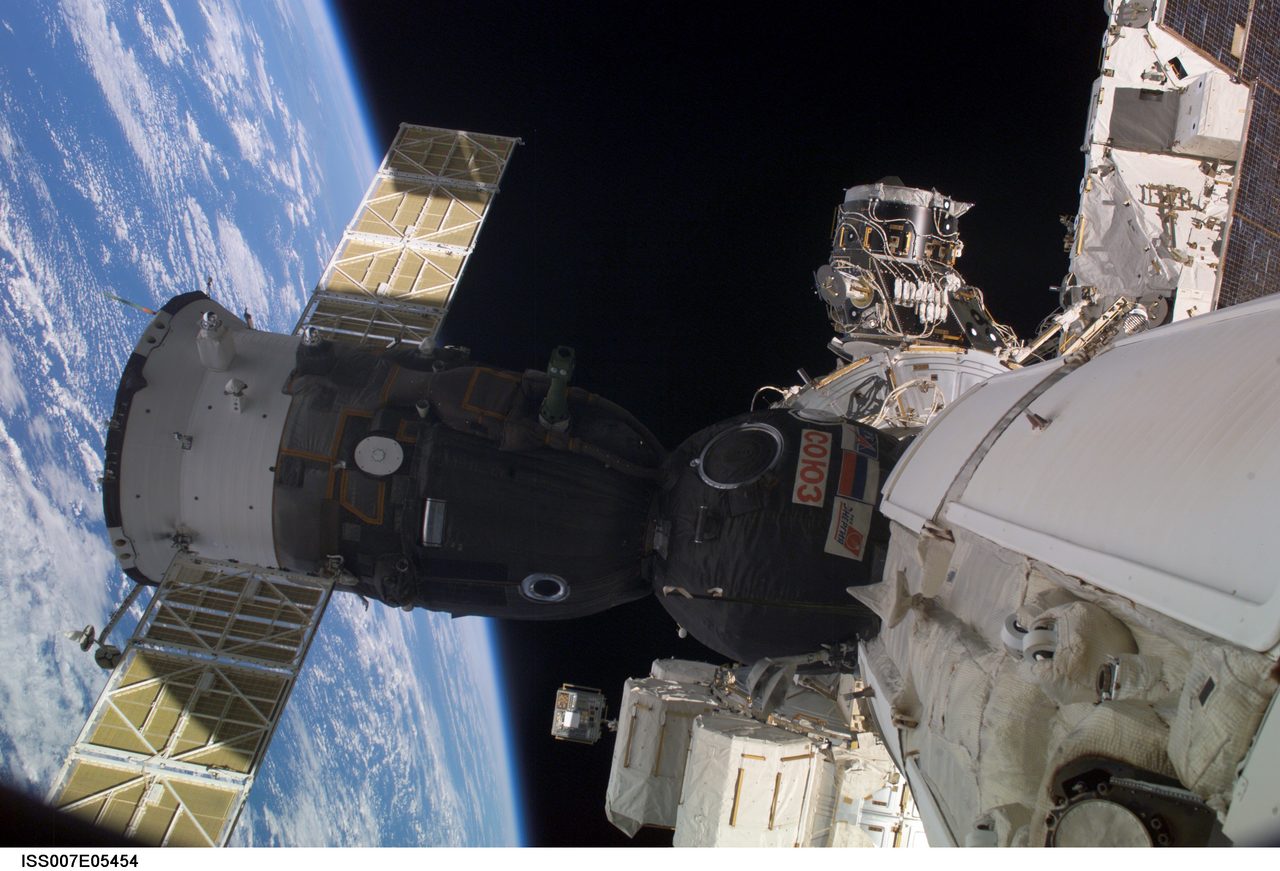
Orbital rendezvous involves two spacecraft meeting in orbit, a critical skill for missions like those to the ISS. Learn the techniques and significance.
| Active satellites | 15,745 |
| Starlink active | 9,940 |
| Catalogued objects | 31,357 |
| Active close approaches | 19 |
| People in space | 10 |
Orbital rendezvous is the process by which two spacecraft meet and dock while in orbit around a celestial body. This manoeuvre is essential for missions involving the International Space Station (ISS) and other collaborative space ventures.
What is Orbital Rendezvous?
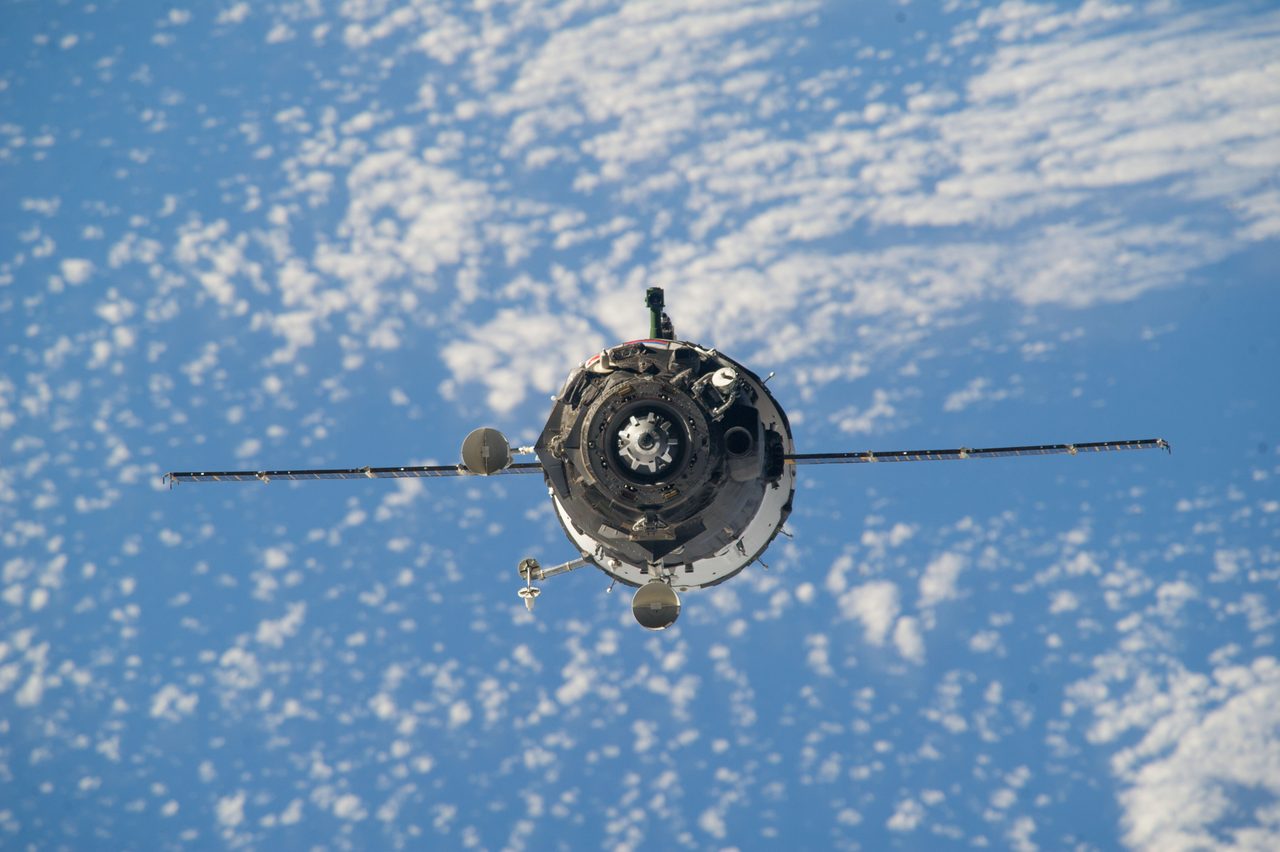
Orbital rendezvous refers to the precise coordination required for two spacecraft to meet in space. This involves aligning their orbits, speeds, and positions. The process is crucial for resupply missions to the ISS, where cargo spacecraft must dock with the station. As of now, 10 people are aboard the ISS, relying on such operations for supplies and crew rotations.
How Does Orbital Rendezvous Work?
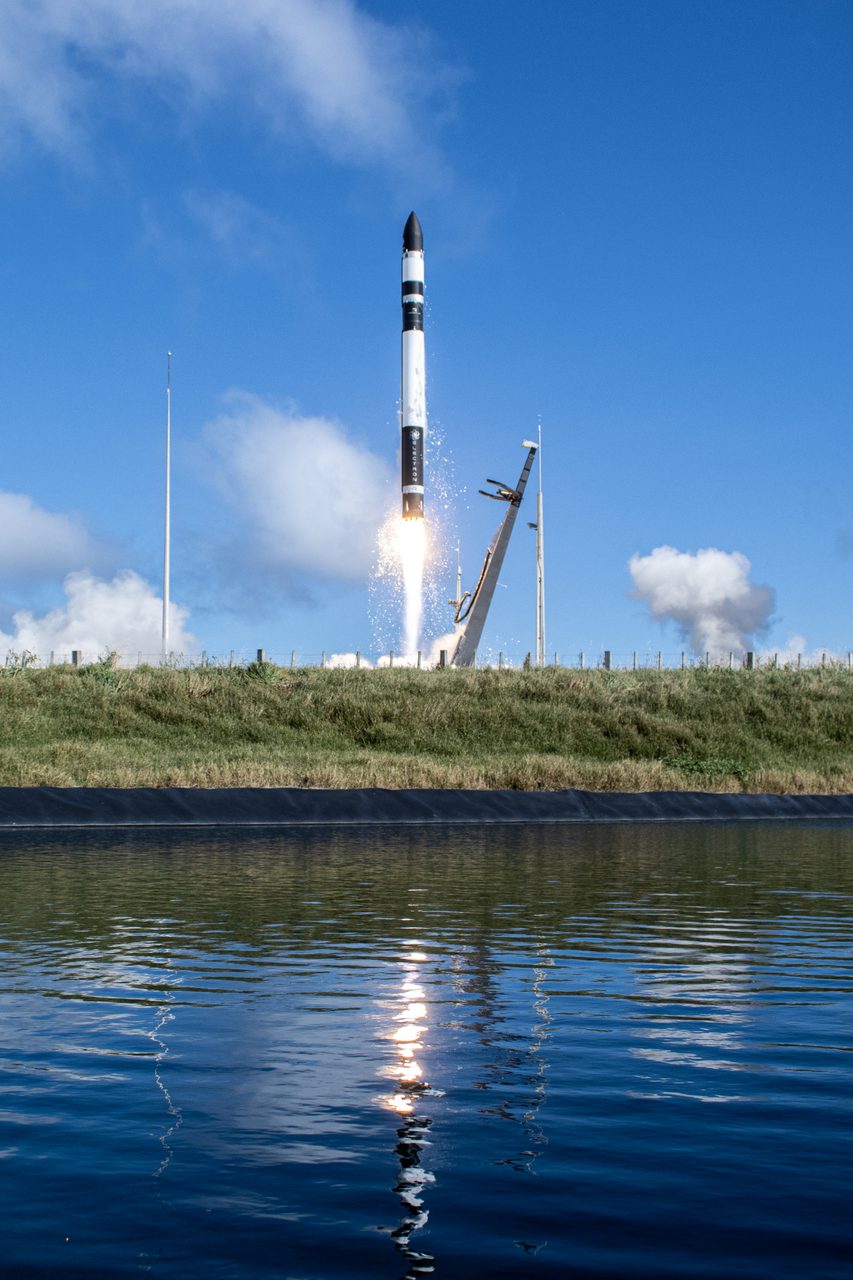
The process begins with the launch of a spacecraft into a predetermined orbit. The spacecraft then performs a series of orbital manoeuvres, such as phasing and plane changes, to align its trajectory with the target. These techniques are detailed in the Orbital Radar Academy. The final approach requires precise adjustments to match speed and position before docking.
Why is Orbital Rendezvous Important?
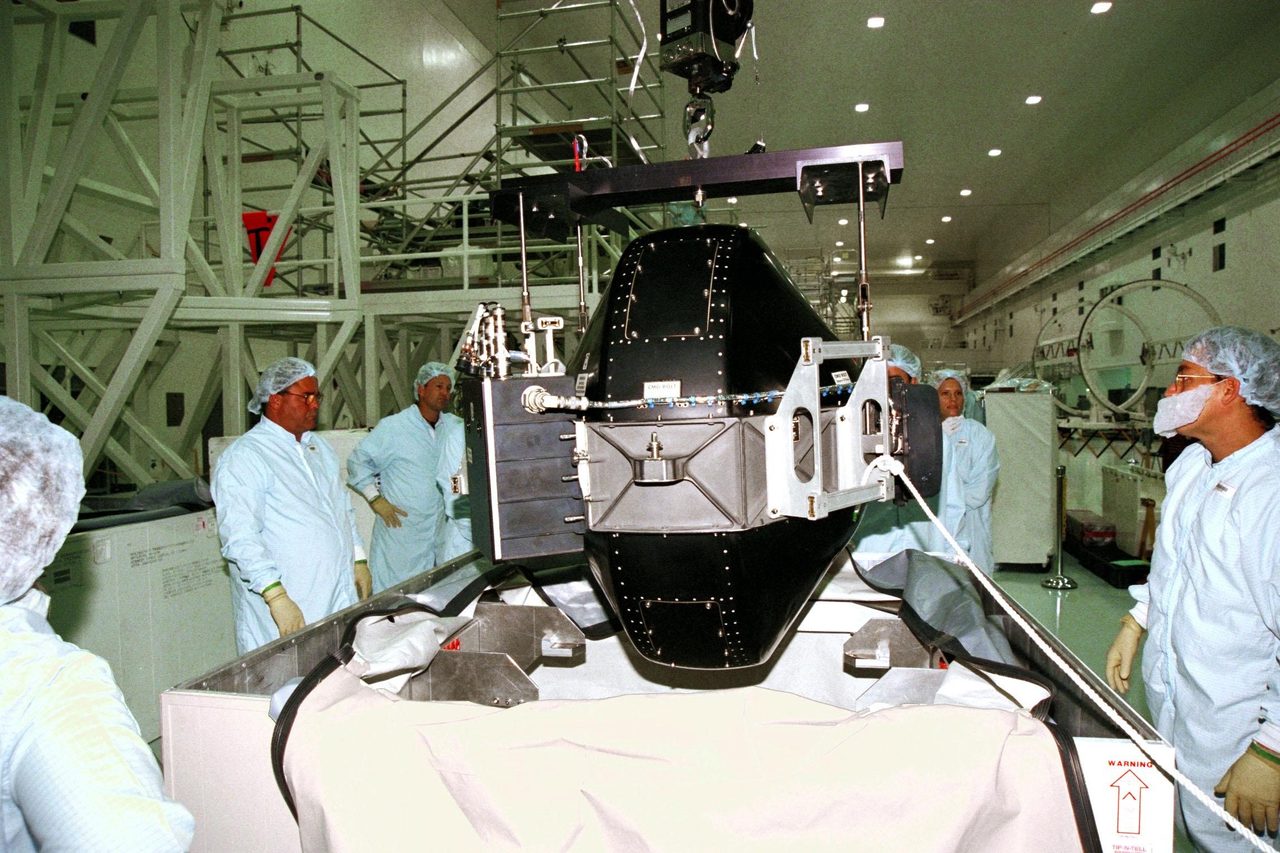
Orbital rendezvous enables the construction and maintenance of large space structures, such as the ISS. It is also vital for missions beyond Earth's orbit, where spacecraft may need to dock with lunar or Martian orbiters. According to Orbital Radar's ISS page, these operations are routine yet critical for ongoing human presence in space.
Orbital Rendezvous Techniques
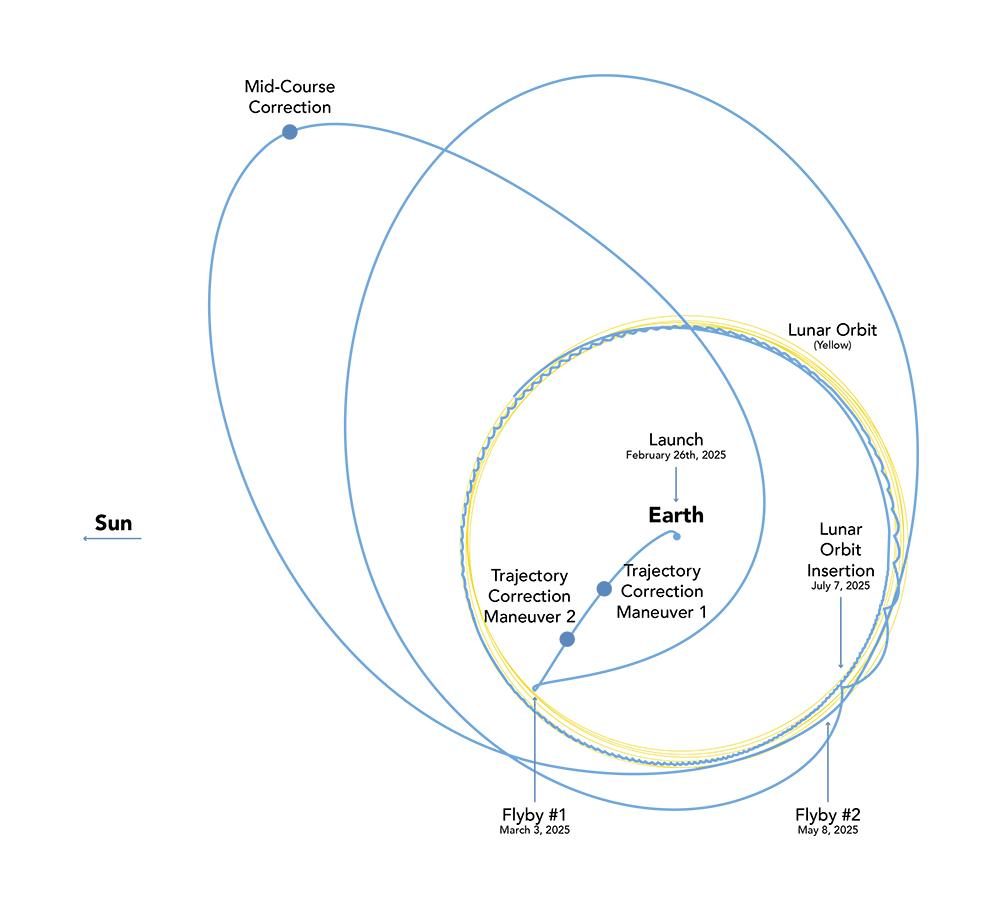
There are several techniques used in orbital rendezvous, including the Hohmann transfer orbit and the bi-elliptic transfer. These methods involve changing the spacecraft's velocity at specific points in its orbit to achieve the desired rendezvous. The choice of technique depends on factors such as fuel efficiency and time constraints.
Challenges of Orbital Rendezvous
Achieving a successful rendezvous requires overcoming challenges such as orbital mechanics, communication delays, and precise navigation. The presence of 31,357 catalogued objects in orbit, including 9,871 pieces of debris, adds complexity to these operations. Real-time tracking and prediction tools, like those found on the Orbital Radar spacecraft page, are essential for mission planning.
Key Takeaways
Orbital rendezvous is a cornerstone of modern space exploration, enabling everything from satellite servicing to international collaboration on the ISS. With 15,745 active satellites in orbit, the ability to perform precise rendezvous and docking is more important than ever. As space missions become more complex, the techniques and technologies behind orbital rendezvous will continue to evolve.
Frequently Asked Questions
What is the purpose of orbital rendezvous?
How do spacecraft dock in space?
What are the challenges of orbital rendezvous?
How is orbital rendezvous used in the ISS?
What technologies support orbital rendezvous?
📎 Cite this article · data available
Orbital Radar Newsroom. (2026). Orbital Rendezvous and Docking: A Complete Explainer. Orbital Radar. https://orbitalradar.com/blog/orbital-rendezvous-explainer"Orbital Rendezvous and Docking: A Complete Explainer." Orbital Radar, 26 September 2026, https://orbitalradar.com/blog/orbital-rendezvous-explainer.@misc{orbitalradar_orbital_rendezvous_explainer,
title = {Orbital Rendezvous and Docking: A Complete Explainer},
author = {{Orbital Radar}},
year = {2026},
howpublished = {\url{https://orbitalradar.com/blog/orbital-rendezvous-explainer}}
}