Lunar Orbiters Active Today: A Complete Explainer
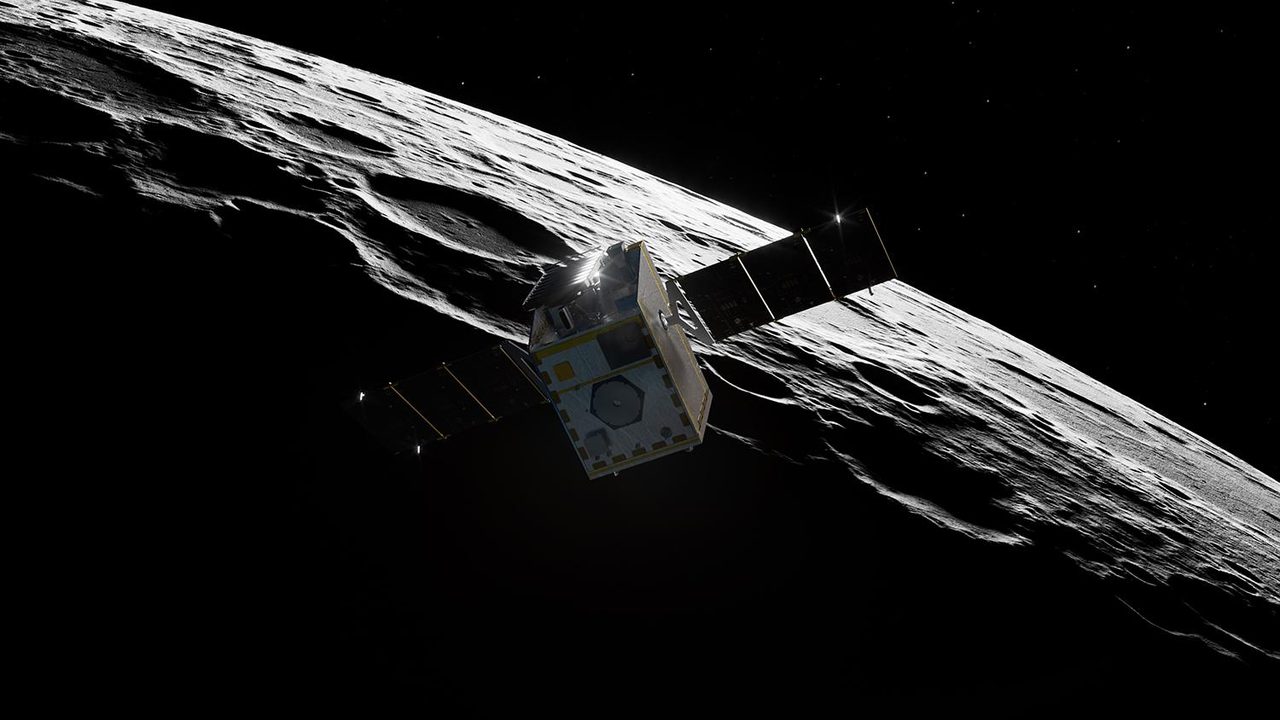
Lunar orbiters are satellites that orbit the Moon, providing crucial data for scientific research and future lunar missions. Discover the active orbiters today.
| Active satellites | 18,110 |
| Starlink active | 9,839 |
| Catalogued objects | 29,390 |
| Active close approaches | 13 |
| People in space | 10 |
Lunar orbiters are satellites specifically designed to orbit the Moon, providing essential data on its surface, environment, and potential resources. As of today, several active orbiters continue to contribute significantly to our understanding of the lunar landscape and aid in planning future missions.
What Are Lunar Orbiters and Their Purpose?
Lunar orbiters are spacecraft that revolve around the Moon, typically at altitudes ranging from 100 km to 200 km. Their primary purposes include mapping the lunar surface, studying the Moon's gravitational field, and analysing its mineral composition. These orbiters play a crucial role in identifying landing sites for future missions and understanding the Moon's geology.
Current Active Lunar Orbiters
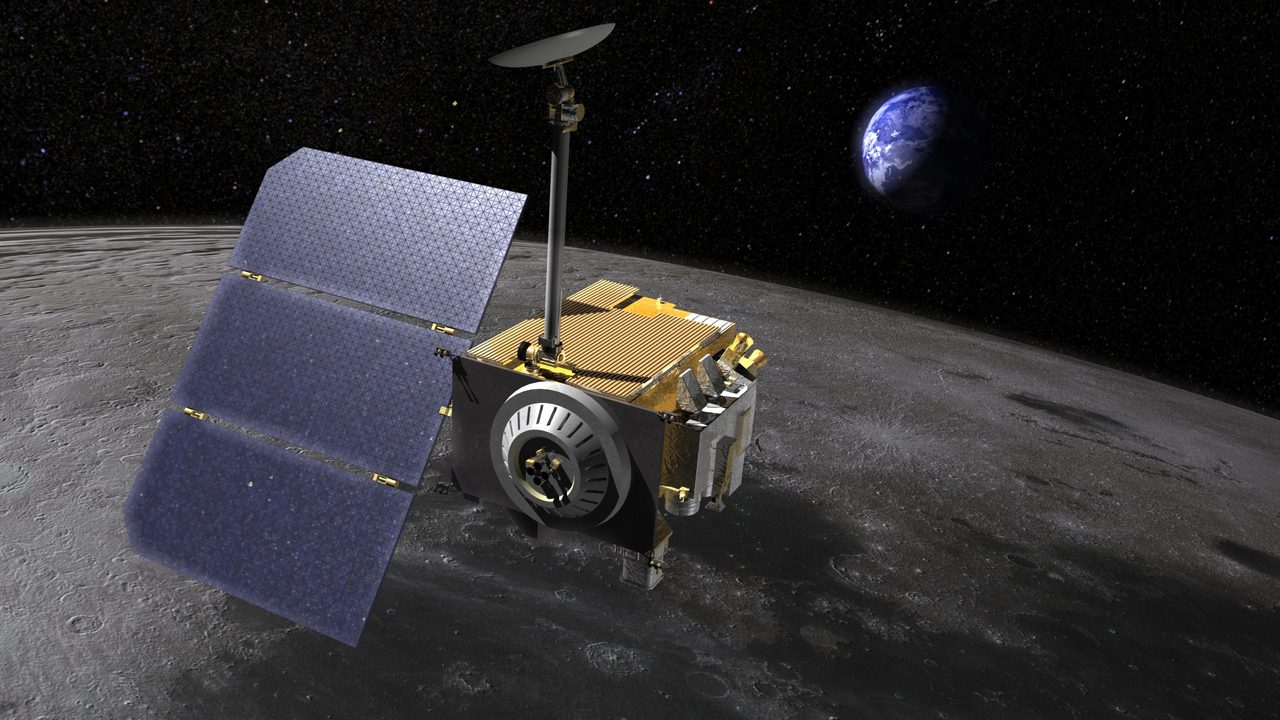
As of 2023, notable active lunar orbiters include NASA's Lunar Reconnaissance Orbiter (LRO), which has been operational since 2009, and India's Chandrayaan-2 orbiter, launched in 2019. The LRO focuses on high-resolution imaging and temperature mapping, while Chandrayaan-2 studies the Moon's exosphere and surface composition. These missions are detailed in the Moon Globe section.
Technologies Used in Lunar Orbiters
Lunar orbiters are equipped with a variety of instruments, including cameras, spectrometers, and radar systems. For instance, the LRO carries a suite of seven instruments, such as the LROC (Lunar Reconnaissance Orbiter Camera) and Diviner Lunar Radiometer Experiment, to capture detailed images and thermal data. These technologies allow scientists to create comprehensive maps of the lunar surface and assess potential resources.
The Importance of Lunar Orbiters in Space Exploration
Lunar orbiters are vital for advancing our understanding of the Moon and supporting future missions. They provide critical data for landing site selection, assess potential hazards, and help in resource identification. By studying the Moon's environment, orbiters also aid in understanding the broader solar system's history and evolution.
Key Takeaways
Lunar orbiters are essential tools in space exploration, offering invaluable data on the Moon's surface and environment. Active missions like NASA's LRO and India's Chandrayaan-2 continue to enhance our scientific knowledge and prepare for future lunar exploration. For more detailed information, visit the Deep Space section.
Frequently Asked Questions
How many lunar orbiters are currently active?
What is the primary mission of the Lunar Reconnaissance Orbiter?
How do lunar orbiters contribute to future Moon missions?
What technologies are used in lunar orbiters?
Why are lunar orbiters important for scientific research?
📎 Cite this article · data available
Orbital Radar Newsroom. (2026). Lunar Orbiters Active Today: A Complete Explainer. Orbital Radar. https://orbitalradar.com/blog/lunar-orbiters-explainer"Lunar Orbiters Active Today: A Complete Explainer." Orbital Radar, 16 September 2026, https://orbitalradar.com/blog/lunar-orbiters-explainer.@misc{orbitalradar_lunar_orbiters_explainer,
title = {Lunar Orbiters Active Today: A Complete Explainer},
author = {{Orbital Radar}},
year = {2026},
howpublished = {\url{https://orbitalradar.com/blog/lunar-orbiters-explainer}}
}