Space Weather Effects: Understanding Solar Storms and Their Impact
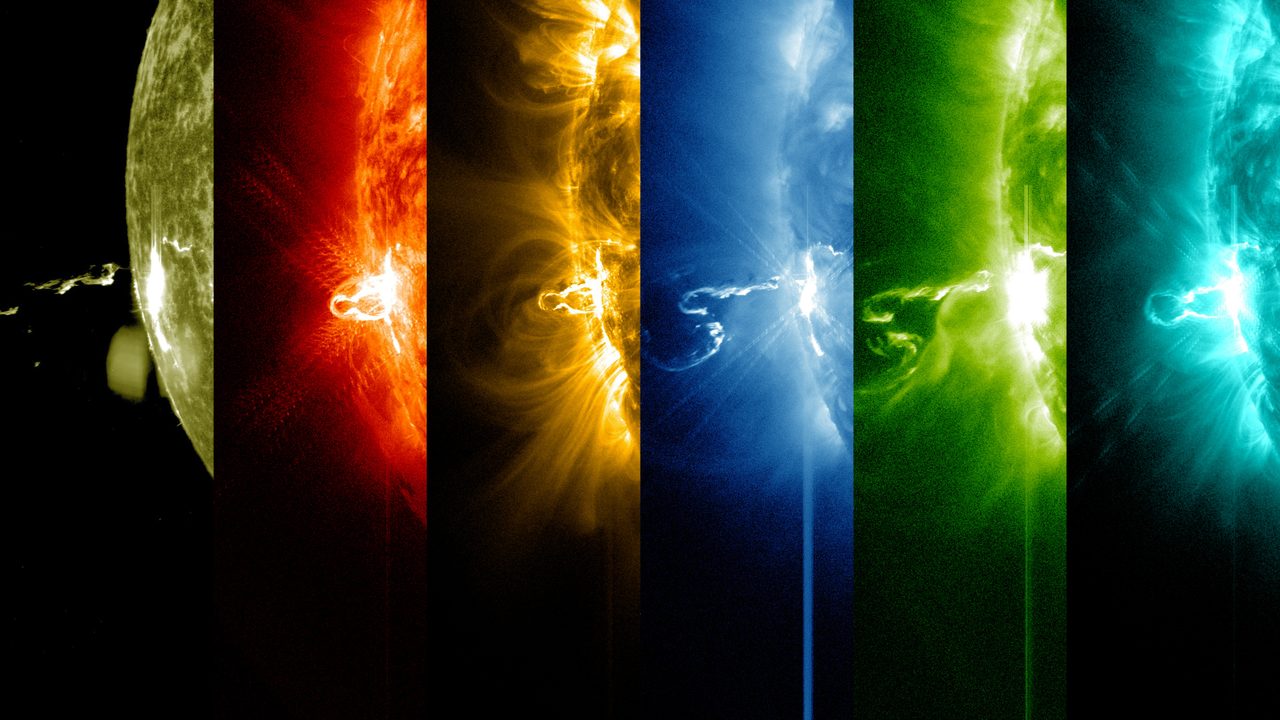
Space weather refers to the environmental conditions in space as influenced by the Sun, impacting satellites, communication systems, and Earth's magnetic field.
Space weather encompasses the conditions on the Sun and in the solar wind, magnetosphere, ionosphere, and thermosphere that can influence the performance and reliability of space-borne and ground-based technological systems. It is primarily driven by solar activity, including solar flares and coronal mass ejections (CMEs), which can cause geomagnetic storms on Earth.
What is Space Weather?
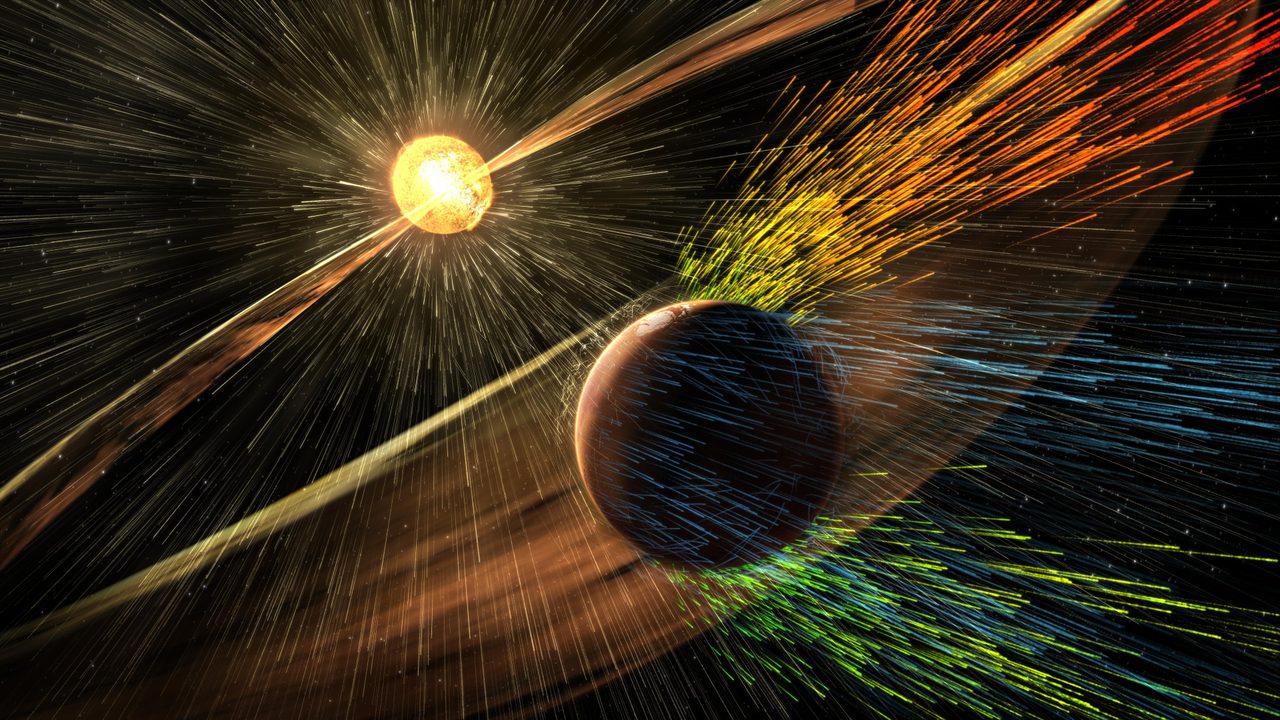
Space weather refers to the dynamic environment in space, primarily influenced by the Sun's activity. Solar flares and CMEs are significant contributors to space weather, sending bursts of energy and charged particles towards Earth. These phenomena can disrupt satellite operations, power grids, and communication systems. For a deeper dive, explore our space weather overview.
How Solar Storms Affect Satellites
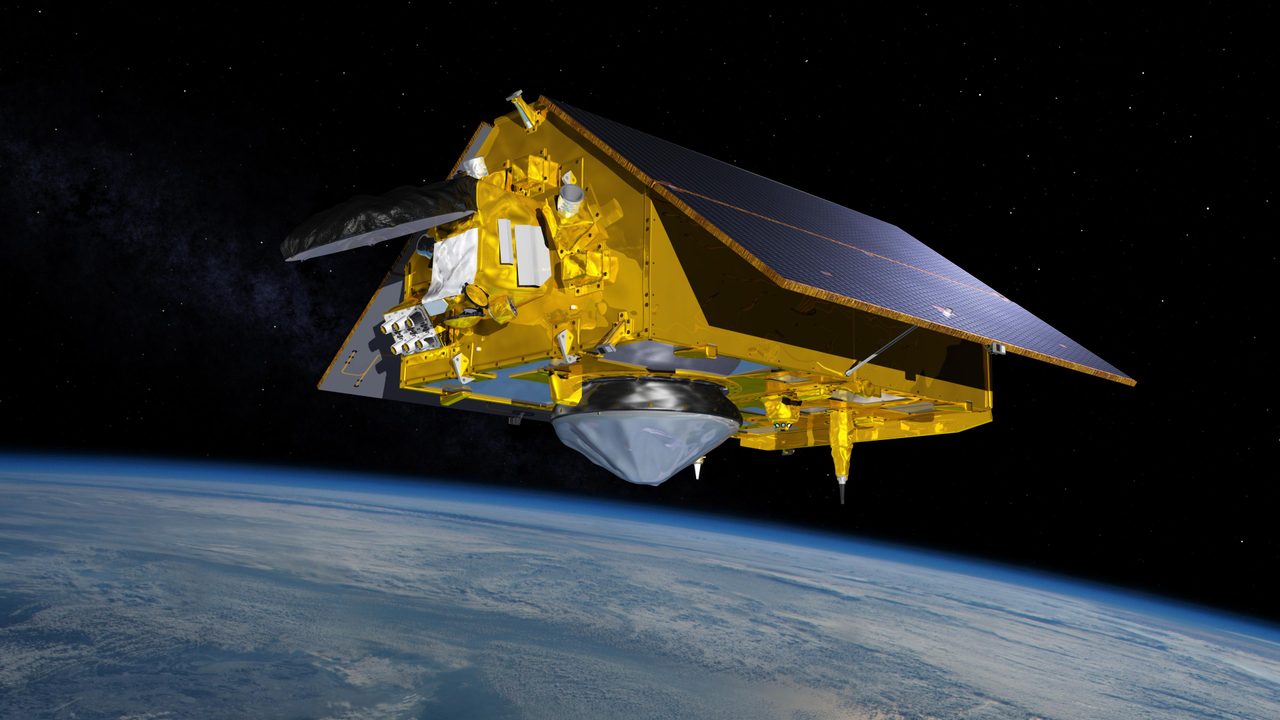
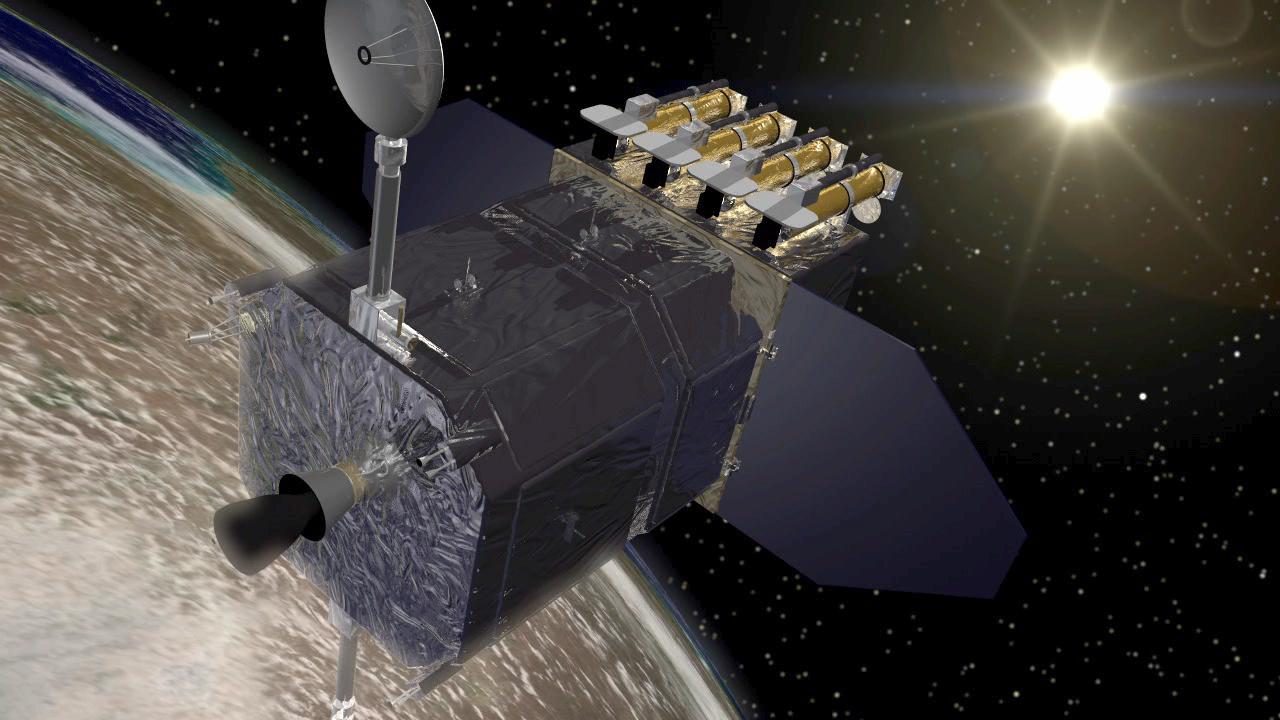
Satellites in orbit, such as the 18,064 active ones catalogued by NORAD, are particularly vulnerable to solar storms. High-energy particles can damage satellite electronics, degrade solar panels, and interfere with onboard sensors. The Starlink constellation, with 10,610 active satellites, often needs to adjust orbits to mitigate these effects. Satellite operators use tools like the Orbital Radar pass predictor to plan manoeuvres.
Impacts on Earth's Magnetic Field
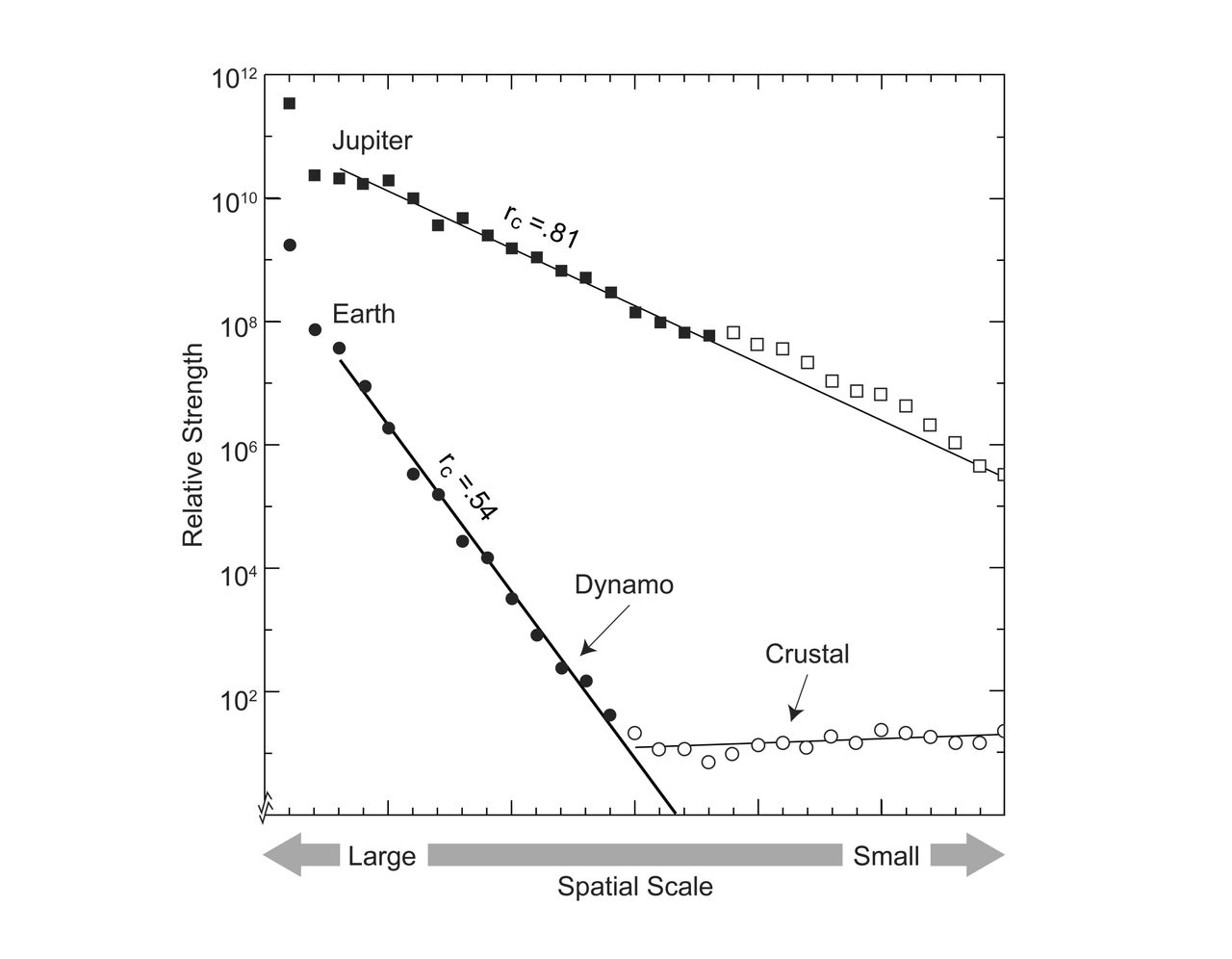
Geomagnetic storms, caused by solar wind interactions with Earth's magnetic field, can induce currents in power lines, potentially leading to blackouts. The most significant recorded storm, the Carrington Event of 1859, disrupted telegraph systems worldwide. Modern infrastructure remains at risk, necessitating monitoring through platforms like the Space Weather Academy.
Mitigating Space Weather Risks
Space agencies and satellite operators employ various strategies to mitigate space weather risks. These include hardening satellite components against radiation, developing predictive models, and planning operational adjustments during solar storm forecasts. The space weather page provides further insights into these mitigation techniques.
Key Takeaways
Space weather significantly influences both space-borne and terrestrial systems. Understanding and predicting solar activity are crucial for safeguarding technology and infrastructure. Continuous monitoring and adaptive strategies are essential in mitigating the adverse effects of space weather.
Frequently Asked Questions
What causes space weather?
How do solar storms affect power grids?
Can space weather be predicted?
How do satellites protect themselves from solar storms?
What was the Carrington Event?
📎 Cite this article
Orbital Radar Newsroom. (2026). Space Weather Effects: Understanding Solar Storms and Their Impact. Orbital Radar. https://orbitalradar.com/blog/space-weather-effects-guide"Space Weather Effects: Understanding Solar Storms and Their Impact." Orbital Radar, 22 June 2026, https://orbitalradar.com/blog/space-weather-effects-guide.@misc{orbitalradar_space_weather_effects_guide,
title = {Space Weather Effects: Understanding Solar Storms and Their Impact},
author = {{Orbital Radar}},
year = {2026},
howpublished = {\url{https://orbitalradar.com/blog/space-weather-effects-guide}}
}