Terra: NASA's Earth Observing Flagship
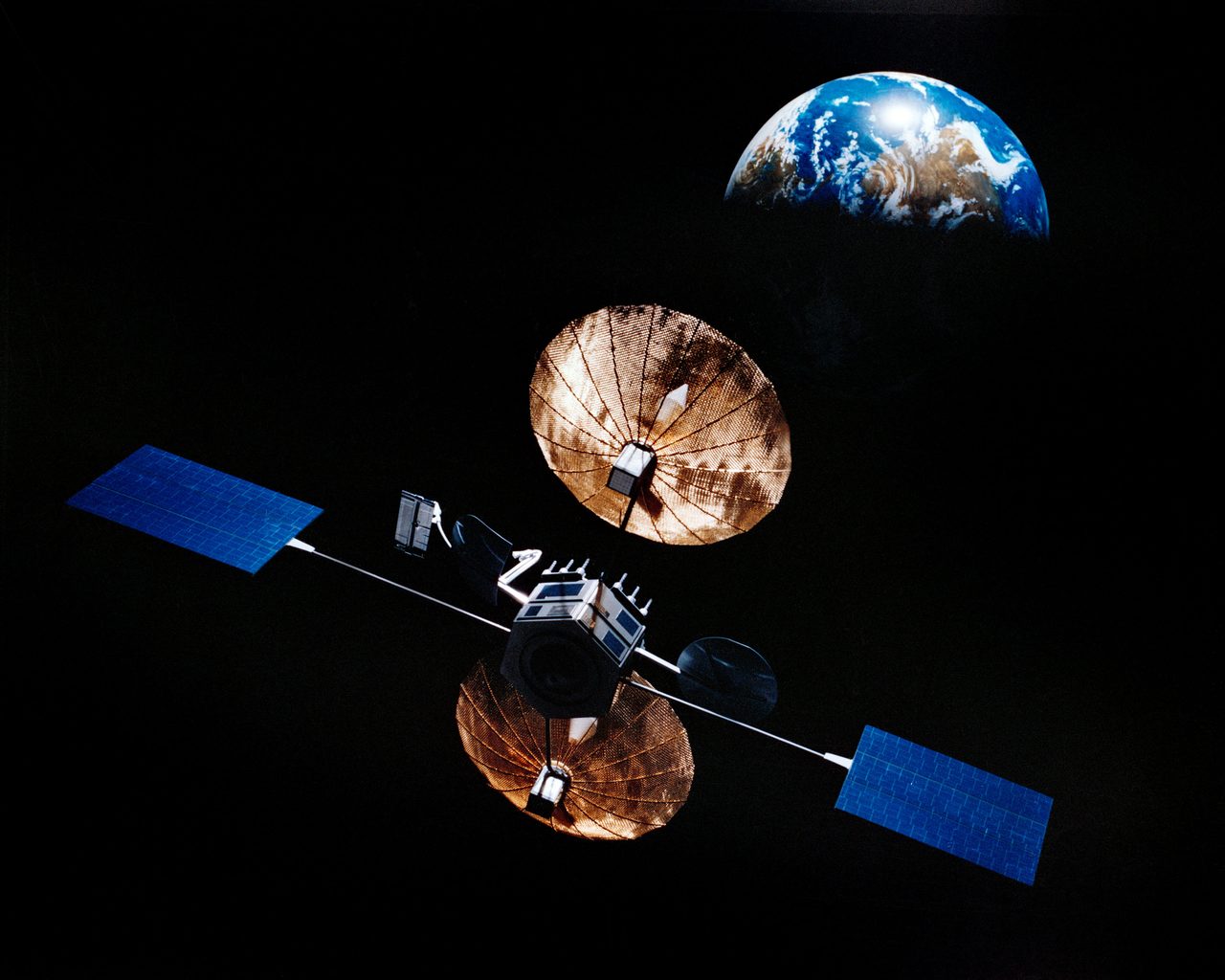
Launched on 18 December 1999, Terra is NASA's flagship satellite for the Earth Observing System (EOS). It plays a crucial role in monitoring and understanding Earth's climate and environmental changes.
| Active satellites | 15,750 |
| Catalogued objects | 31,451 |
| Starlink active | 9,910 |
What is Terra?
Launched on 18 December 1999, Terra is NASA's flagship satellite for the Earth Observing System (EOS). It plays a crucial role in monitoring and understanding Earth's climate and environmental changes. The satellite is equipped with five scientific instruments designed to study the atmosphere, land, and oceans, providing comprehensive data for climate research and policy-making.
Mission and Purpose
Terra's mission is to collect data on Earth's climate system, including the atmosphere, land, and oceans. Its instruments, such as the Moderate Resolution Imaging Spectroradiometer (MODIS) and the Advanced Spaceborne Thermal Emission and Reflection Radiometer (ASTER), provide critical information on surface temperature, vegetation cover, and cloud properties. This data is essential for understanding climate change, natural disasters, and environmental degradation.
Orbital Characteristics
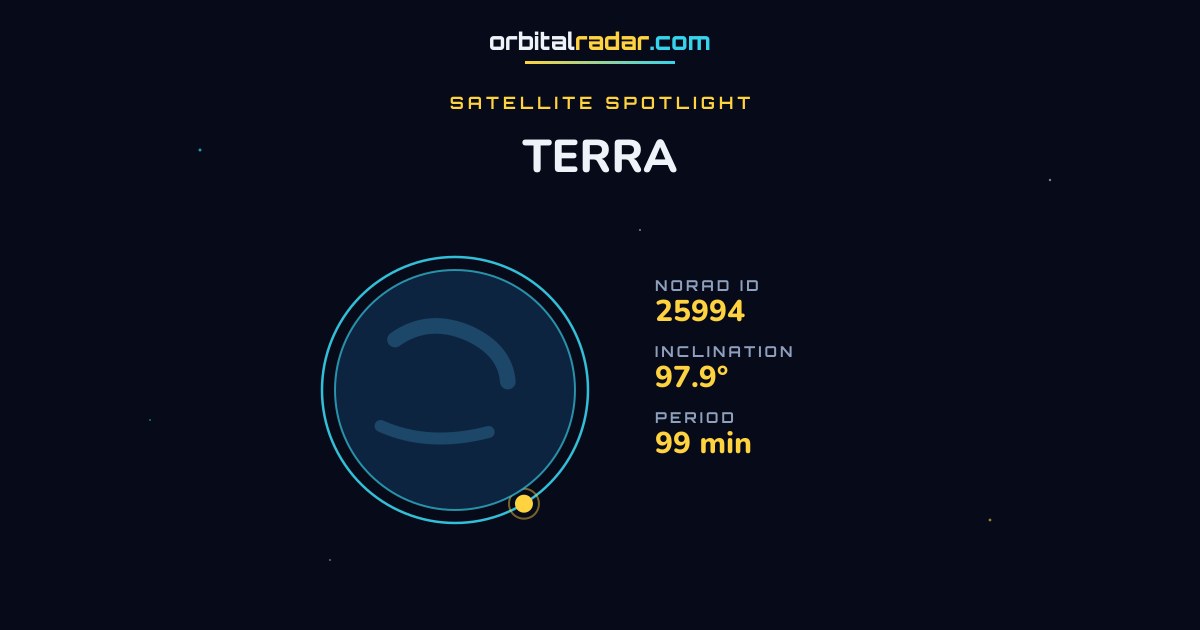
Terra operates in a sun-synchronous polar orbit, which allows it to pass over the same part of the Earth at roughly the same local solar time. This orbit is approximately 705 kilometres above the Earth's surface, with an inclination of 98.2 degrees. The satellite completes an orbit every 99 minutes, providing near-global coverage every one to two days. Terra's NORAD ID is 25994.
Significance and Legacy
Since its launch, Terra has been instrumental in advancing our understanding of Earth's climate and environmental systems. Its data has been used in over 18,000 scientific papers, influencing climate policy and environmental management worldwide. Terra's long-term data record is invaluable for tracking changes in Earth's climate over time, making it a cornerstone of NASA's Earth science programme.
Current Status
As of 2023, Terra remains operational, continuing to provide vital data for climate research. Despite being in orbit for over two decades, its instruments are still functioning, although some have experienced degradation over time. Terra's ongoing contributions to Earth science are monitored through Orbital Radar's live catalogue, ensuring that researchers have access to up-to-date information.
📎 Cite this article · data available
Orbital Radar Newsroom. (2026). Terra: NASA's Earth Observing Flagship. Orbital Radar. https://orbitalradar.com/blog/terra-nasa-earth-observing-platform"Terra: NASA's Earth Observing Flagship." Orbital Radar, 25 September 2026, https://orbitalradar.com/blog/terra-nasa-earth-observing-platform.@misc{orbitalradar_terra_nasa_earth_observing_platform,
title = {Terra: NASA's Earth Observing Flagship},
author = {{Orbital Radar}},
year = {2026},
howpublished = {\url{https://orbitalradar.com/blog/terra-nasa-earth-observing-platform}}
}