This Week in Orbit: 2026-07-05

This week, the focus was on planetary exploration and satellite technology. The European Space Agency's Mars Express captured a series of dust devils in a Martian valley, offering insights into the planet's atmospheric dynamics.
Week Overview
This week, the focus was on planetary exploration and satellite technology. The European Space Agency's Mars Express captured a series of dust devils in a Martian valley, offering insights into the planet's atmospheric dynamics. Meanwhile, Japan's space agency conducted a successful test of a probe skimming an asteroid, a potential step forward in planetary defence strategies. In satellite news, Airbus has been commissioned to build Aeolus-2, a new wind-monitoring satellite, which will enhance our understanding of Earth's atmospheric patterns.
Launch Activity
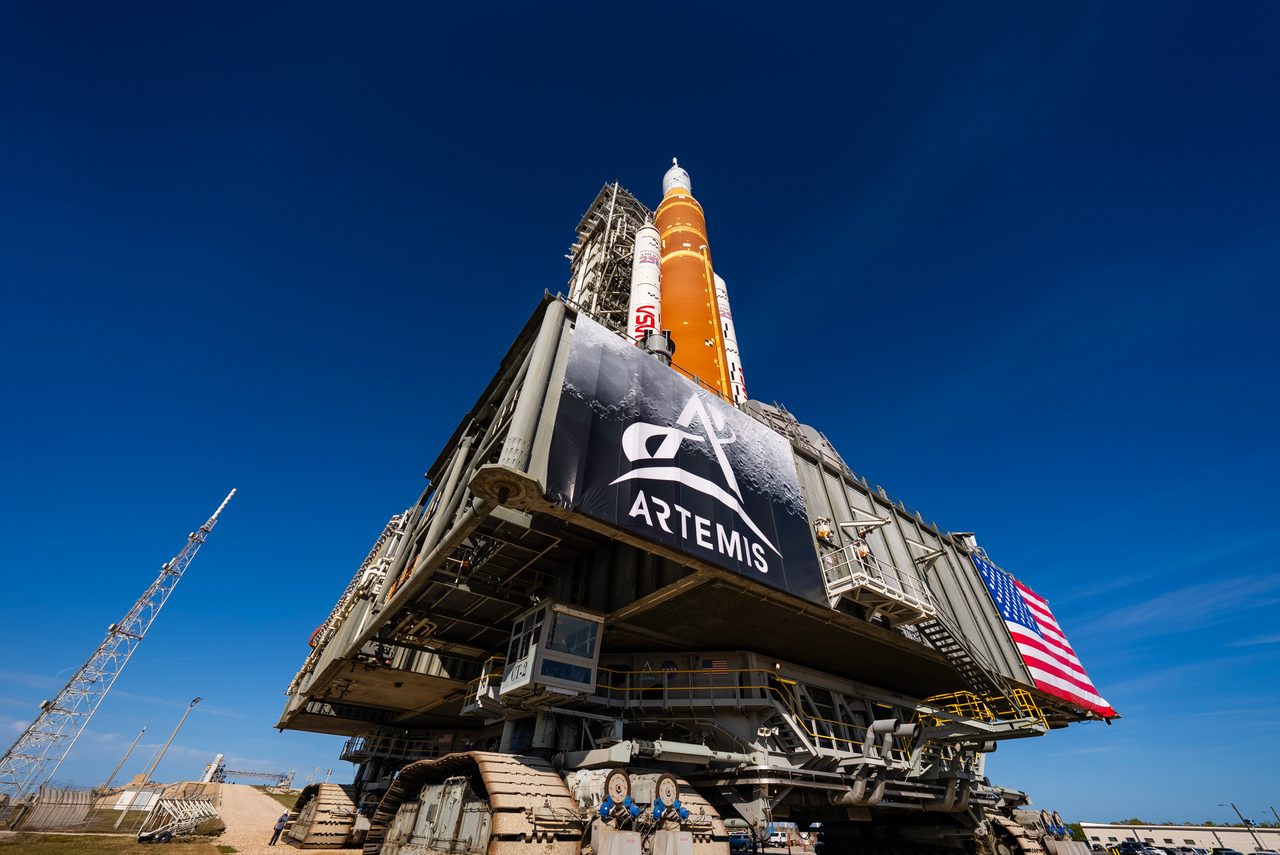
In a rare lull, there were no new launches recorded this week. This pause provides an opportunity to reflect on the current state of active satellites, with 18,166 currently in orbit. The Starlink constellation remains a significant presence, with 10,701 active satellites, of which 9,482 are operational. For historical context, the Orbital Radar Launch Log offers a comprehensive database of all orbital launches.
Orbital Events
The week saw several close approaches between satellites, the most notable being between INTELSAT 1002 and MEV-2, which came within 0.00 km of each other. Such events highlight the growing congestion in space and the need for effective traffic management. Other close approaches included TIANHUI 5A and TIANHUI 5B at 0.48 km, and TERRA SAR X and TANDEM X at 0.40 km. Tracking these events is crucial for collision avoidance, and the Orbital Radar Debris Map provides a visual representation of these interactions.
Space Weather
Unfortunately, space weather data was unavailable this week. Typically, space weather can influence satellite operations and communications, making it an essential field of study. The Orbital Radar Space Academy offers resources to better understand how solar activity affects our technology in space.
Notable Satellites
Among the active satellites, the Starlink constellation continues to dominate with 10,701 satellites, including 7,020 V2 Mini models. These satellites are crucial for global internet coverage, and their operations can be tracked using the Orbital Radar Starlink Tracker. The total number of catalogued objects, including debris, now stands at 28,934, underscoring the importance of monitoring and managing space debris.
Looking Ahead
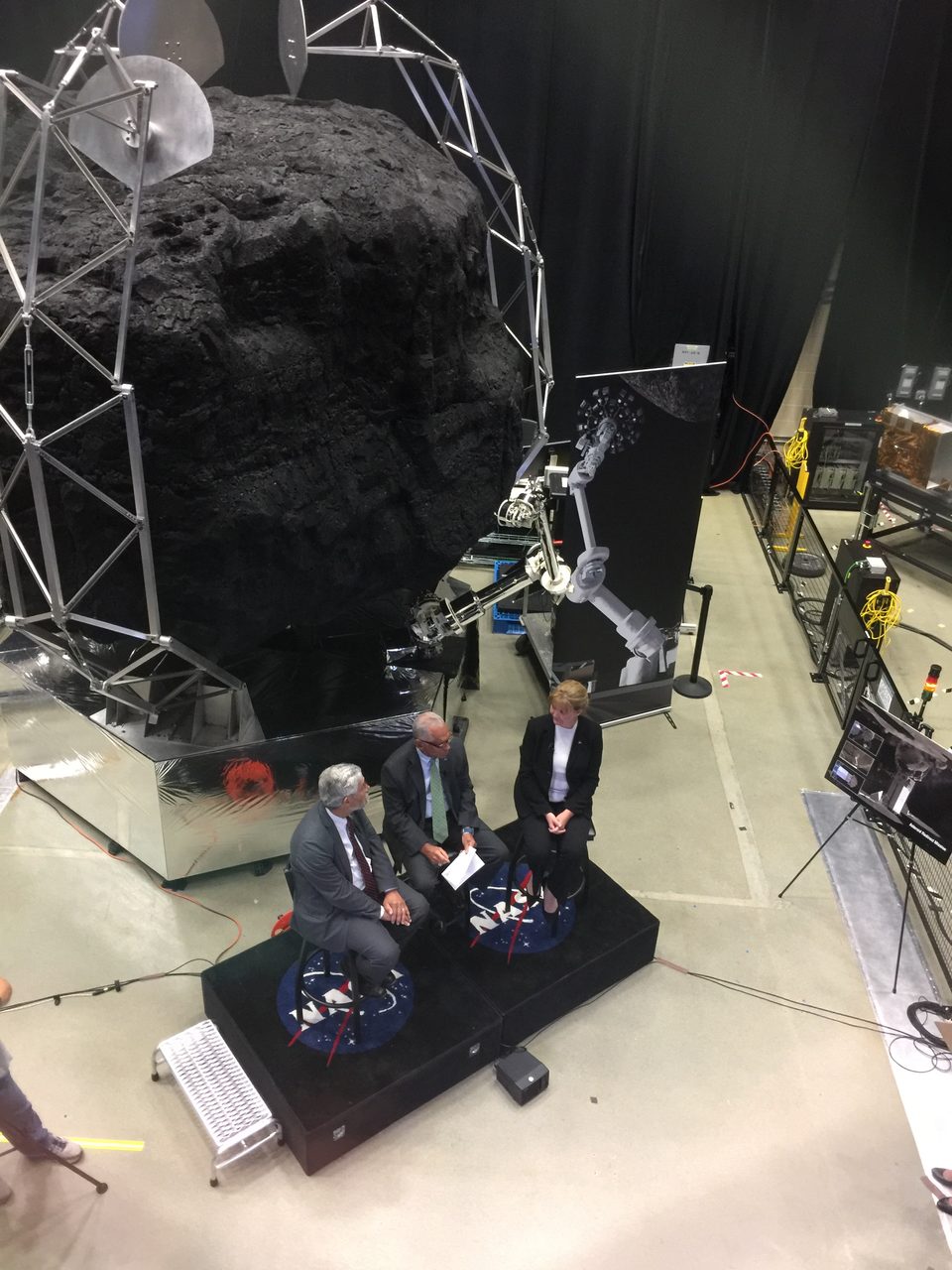
Looking forward, the space community anticipates further developments in planetary defence and satellite technology. The successful asteroid skimming by Japan's probe could pave the way for future missions aimed at averting potential asteroid impacts. For upcoming launches and missions, the Orbital Radar Launch Schedule provides a detailed calendar of events.