This Week in Orbit: 2026-06-28
This week in orbit, a 12-billion-year-old interstellar comet, older than our solar system, captured the attention of astronomers. Meanwhile, SpaceX successfully launched 24 Starlink satellites into orbit aboard a Falcon 9 rocket from California, contributing to the constellation's expansion.
Week Overview
This week in orbit, a 12-billion-year-old interstellar comet, older than our solar system, captured the attention of astronomers. Meanwhile, SpaceX successfully launched 24 Starlink satellites into orbit aboard a Falcon 9 rocket from California, contributing to the constellation's expansion. NASA is undertaking a daring mission to save the Swift telescope from an uncontrolled re-entry, highlighting the challenges of satellite end-of-life management. The week also saw significant close approaches between several satellites, with the closest being a mere 0.15 km apart.
Launch Activity
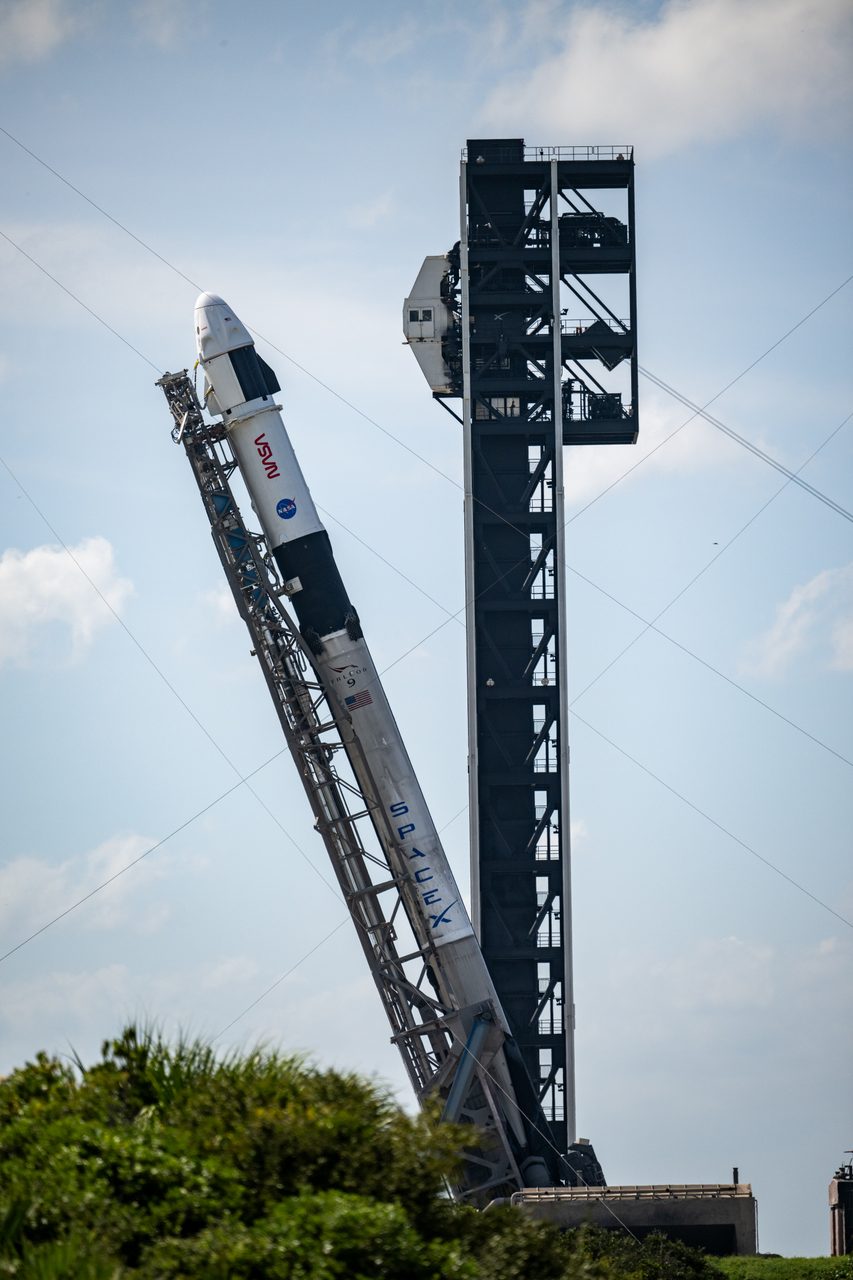
The launch schedule was relatively quiet this week, with the notable exception of SpaceX's Falcon 9 mission, which deployed 24 Starlink satellites. This launch contributes to the total of 10,658 Starlink satellites in orbit, with 9,383 currently operational. For those tracking future launches, the Orbital Radar launch schedule provides a comprehensive overview of upcoming missions.
Orbital Events
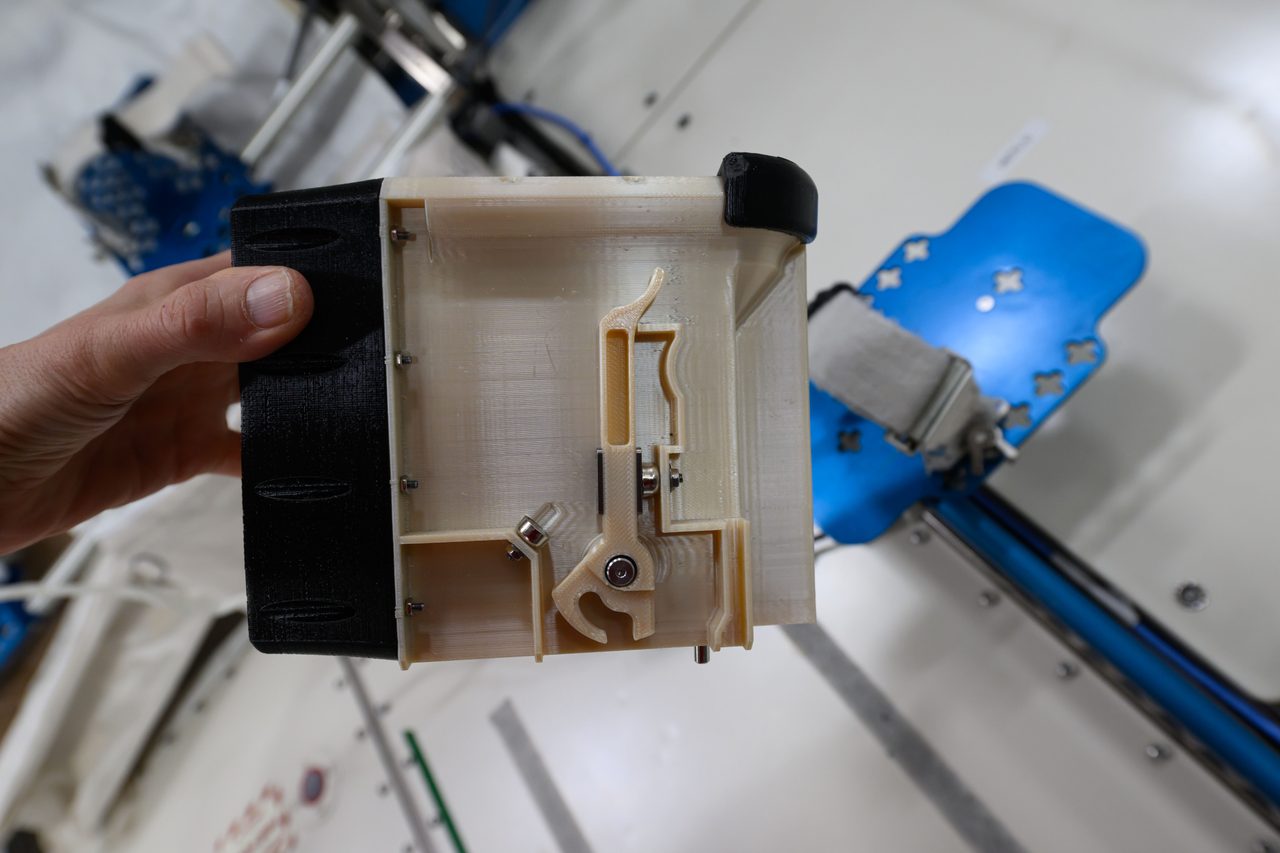
Orbital dynamics were particularly active, with multiple close approaches recorded. Notably, the TIANHUI 5A and TIANHUI 5B satellites came within 0.58 km of each other, and OBJECT A and OBJECT C approached as close as 0.15 km. These events underscore the increasing congestion in low Earth orbit, which can be further explored on the Orbital Radar debris map.
Space Weather
Space weather data was unavailable this week, but the importance of monitoring solar activity and its impact on satellite operations remains critical. The Orbital Radar space weather section provides updates and forecasts when data is available, helping operators mitigate potential disruptions.
Notable Satellites
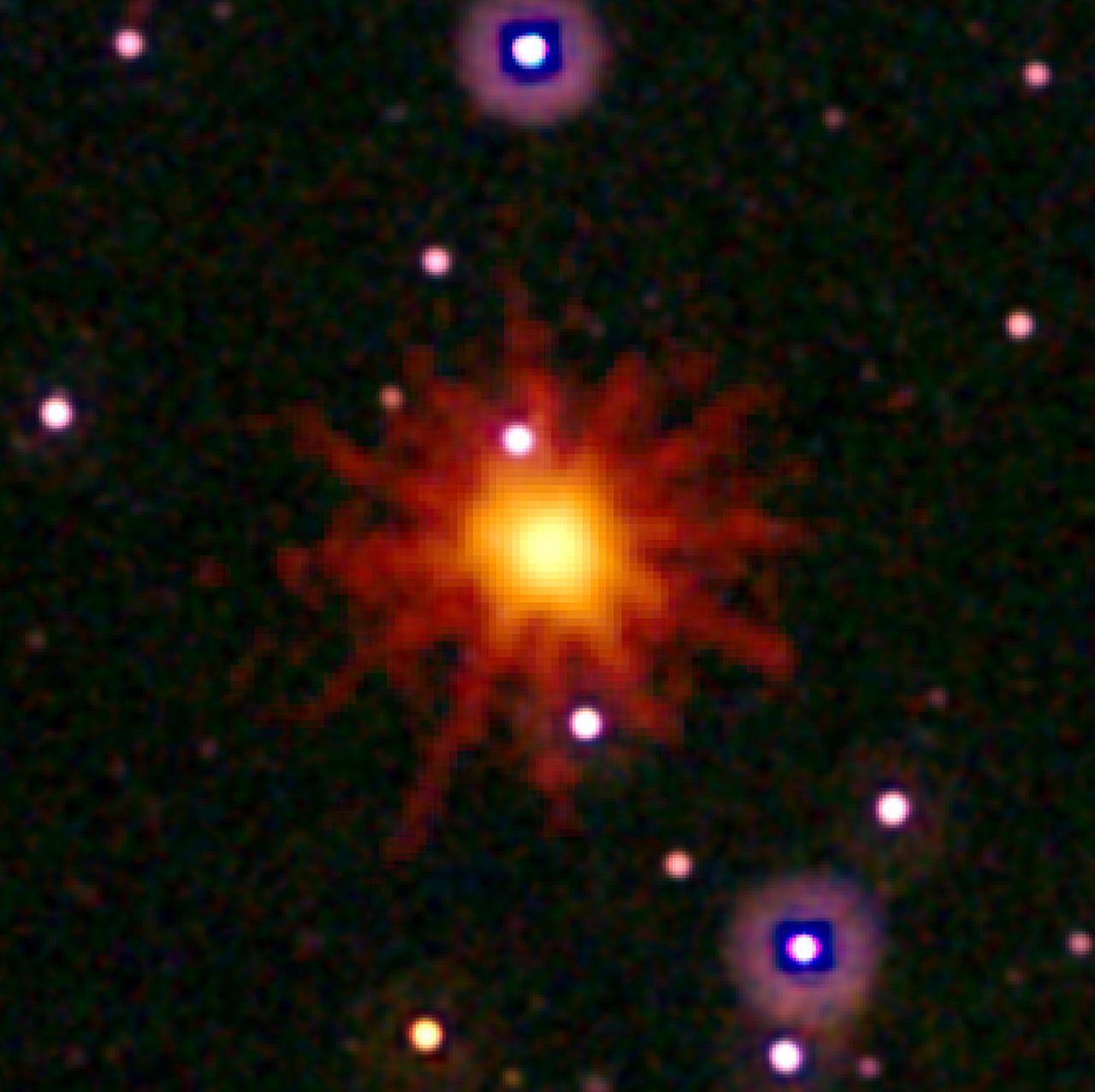
The Swift telescope is under the spotlight as NASA attempts to prevent its re-entry. Swift, known for its gamma-ray burst observations, is a key asset in space-based astronomy. The Orbital Radar satellite library offers detailed information on active missions like Swift, including their scientific contributions and operational status.
Looking Ahead
Looking forward, a Japanese probe is set for a close flyby of an asteroid on July 5, promising new insights into these celestial bodies. The Orbital Radar pass predictor can help enthusiasts track this event and other visible satellite passes. Additionally, discussions continue on innovative uses of space resources, such as using oysters as water filters for future lunar and Martian habitats.
📎 Cite this article
Orbital Radar Newsroom. (2026). This Week in Orbit: 2026-06-28. Orbital Radar. https://orbitalradar.com/blog/this-week-in-orbit-2026-06-28"This Week in Orbit: 2026-06-28." Orbital Radar, 28 June 2026, https://orbitalradar.com/blog/this-week-in-orbit-2026-06-28.@misc{orbitalradar_this_week_in_orbit_2026_06_28,
title = {This Week in Orbit: 2026-06-28},
author = {{Orbital Radar}},
year = {2026},
howpublished = {\url{https://orbitalradar.com/blog/this-week-in-orbit-2026-06-28}}
}