This Week in Orbit: 2026-08-30
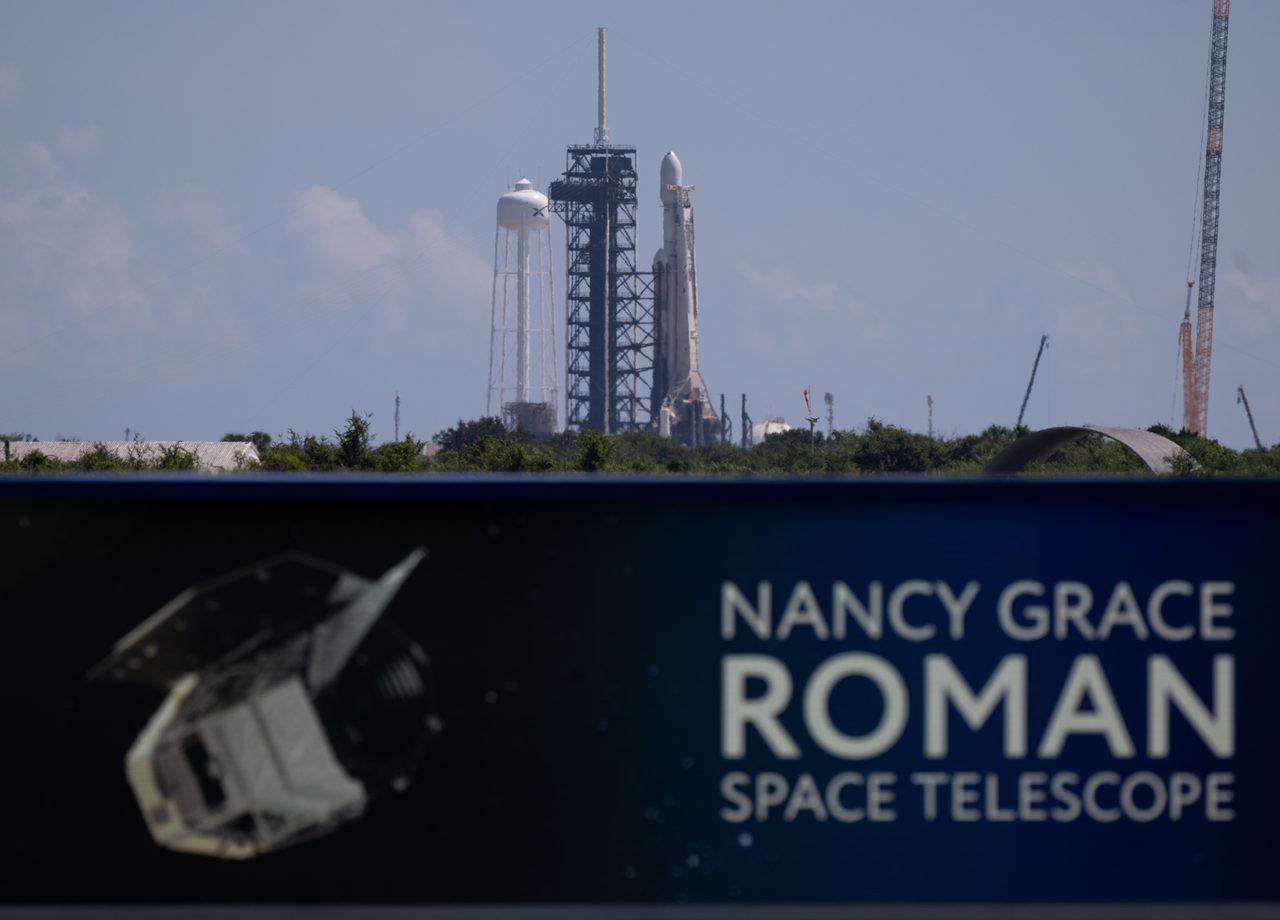
NASA's Roman Space Telescope is poised for launch on a SpaceX Falcon Heavy rocket from Florida this Sunday, marking a significant milestone for the agency's next 'great observatory'. The telescope, named after Nancy Grace Roman, the 'mother of Hubble', aims to explore dark energy, exoplanets, and in
Week Overview
NASA's Roman Space Telescope is poised for launch on a SpaceX Falcon Heavy rocket from Florida this Sunday, marking a significant milestone for the agency's next 'great observatory'. The telescope, named after Nancy Grace Roman, the 'mother of Hubble', aims to explore dark energy, exoplanets, and infrared astrophysics. Meanwhile, scientists have made a breakthrough in understanding the ice giants by successfully melting a diamond, offering insights into the interiors of planets like Neptune and Uranus.
Launch Activity
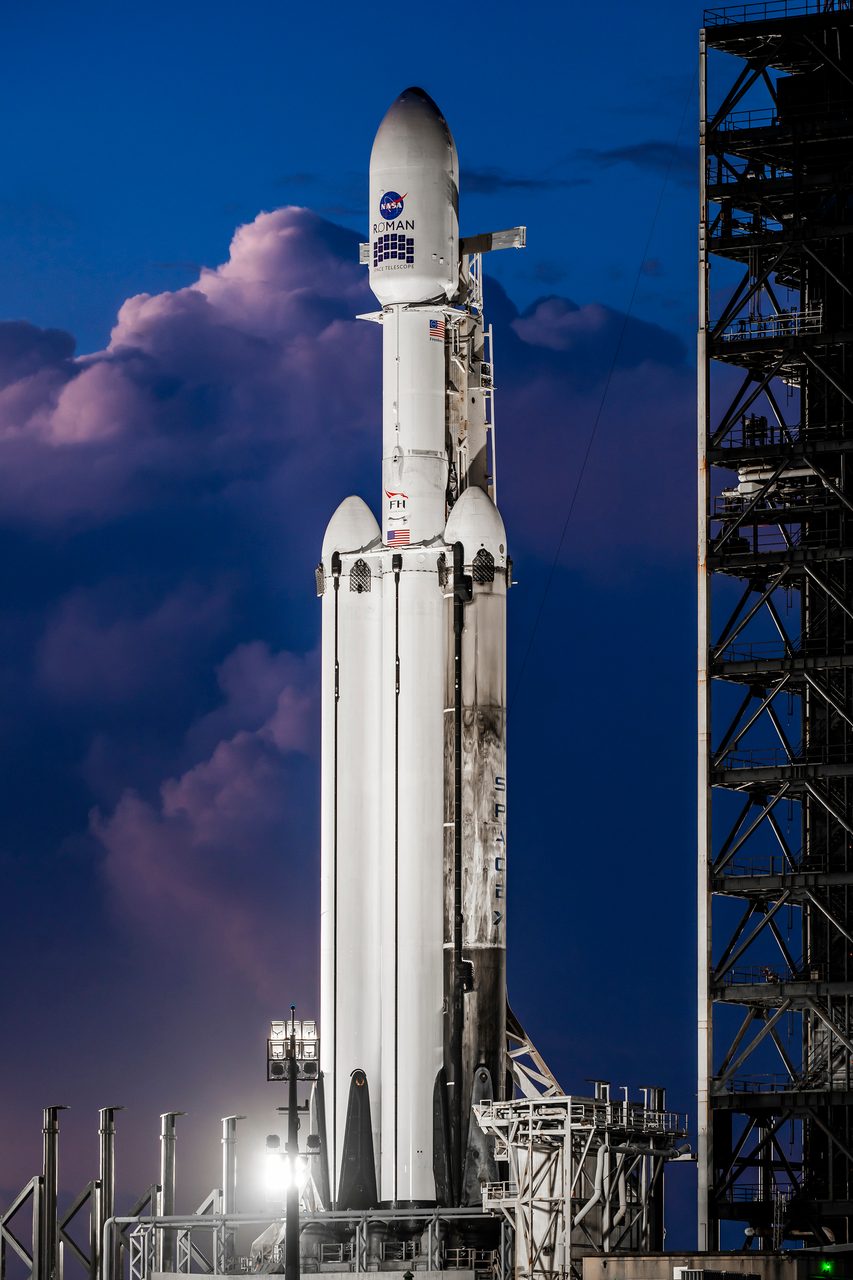
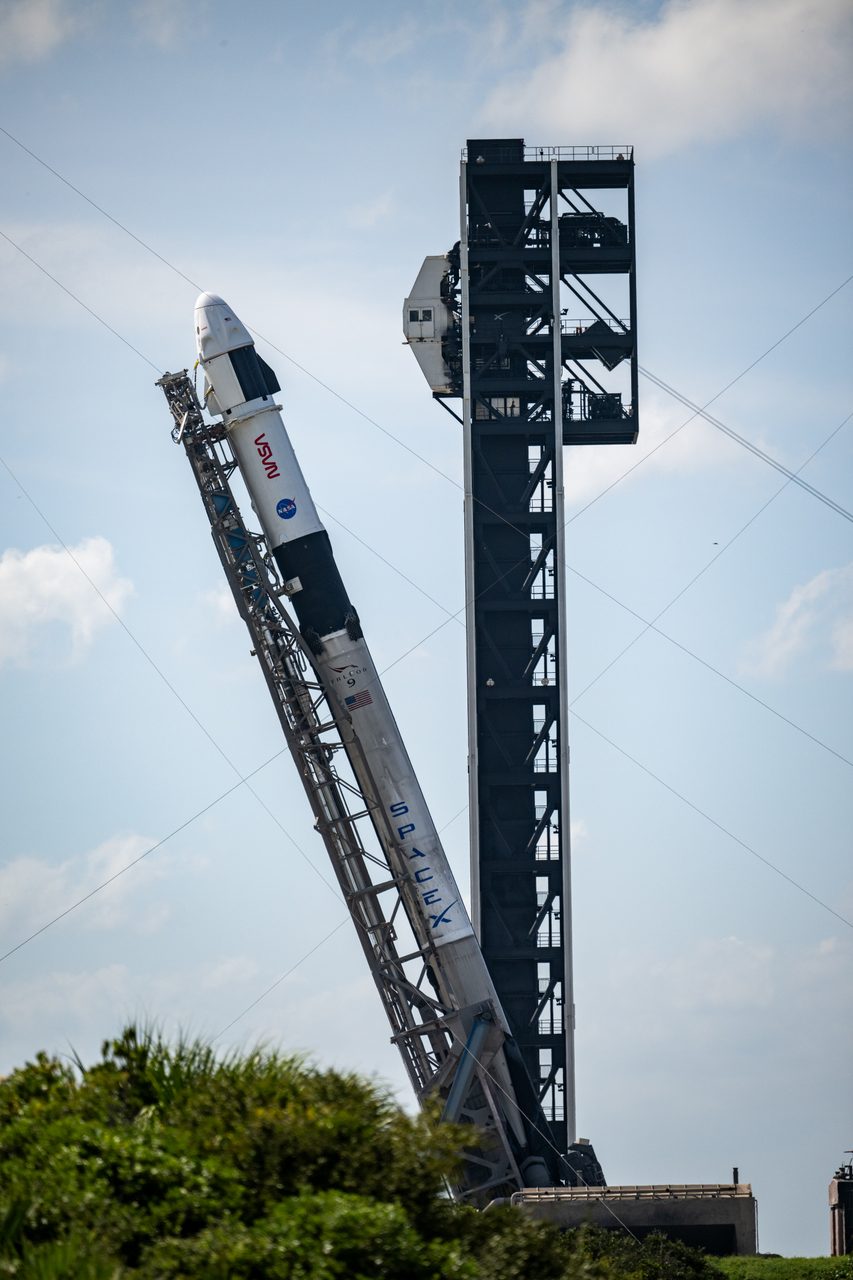
This week sees no new launches, but anticipation builds for the upcoming launch of the Nancy Grace Roman Space Telescope. The launch is scheduled for Sunday, with the Falcon Heavy rocket already prepared following a successful test firing of its Starship Super Heavy booster. For more details on upcoming launches, the Orbital Radar Launch Schedule provides a comprehensive overview.
Orbital Events
A series of close approaches were tracked this week, with notable proximity events including the TIANHUI 2-01A and TIANHUI 2-01B satellites coming within 0.61 km of each other. The Debris Map on Orbital Radar provides a detailed view of these interactions, highlighting the challenges of maintaining safe distances in increasingly crowded orbits.
Space Weather
Space weather conditions remain largely stable, with geomagnetic activity rated as 'green' for Low Earth Orbit (LEO) and the International Space Station (ISS). However, the geostationary orbit (GEO) environment is marked 'yellow' due to elevated solar wind density. The Space Academy on Orbital Radar offers educational resources on understanding these space weather metrics.
Notable Satellites
The Starlink constellation continues to expand, with 11,045 active satellites, including 9,822 operational units. The Starlink Tracker on Orbital Radar provides live updates on satellite positions and operational status. Additionally, the Voyager 1 spacecraft remains the most distant human-made object, over 15 billion miles from Earth, still transmitting data back home.
Looking Ahead
Looking forward, the next lunar eclipse is a topic of interest, as well as NASA's next steps for the Swift Rescue Mission. For those interested in lunar events, the Moon Globe on Orbital Radar offers real-time updates on lunar phases and positions. The Orbital Radar Re-entry Tracker also provides insights into upcoming satellite re-entries, with 33 predicted soon.
📎 Cite this article
Orbital Radar Newsroom. (2026). This Week in Orbit: 2026-08-30. Orbital Radar. https://orbitalradar.com/blog/this-week-in-orbit-2026-05-24"This Week in Orbit: 2026-08-30." Orbital Radar, 24 May 2026, https://orbitalradar.com/blog/this-week-in-orbit-2026-05-24.@misc{orbitalradar_this_week_in_orbit_2026_05_24,
title = {This Week in Orbit: 2026-08-30},
author = {{Orbital Radar}},
year = {2026},
howpublished = {\url{https://orbitalradar.com/blog/this-week-in-orbit-2026-05-24}}
}