Fengyun-1C Debris: Legacy of the 2007 ASAT Test
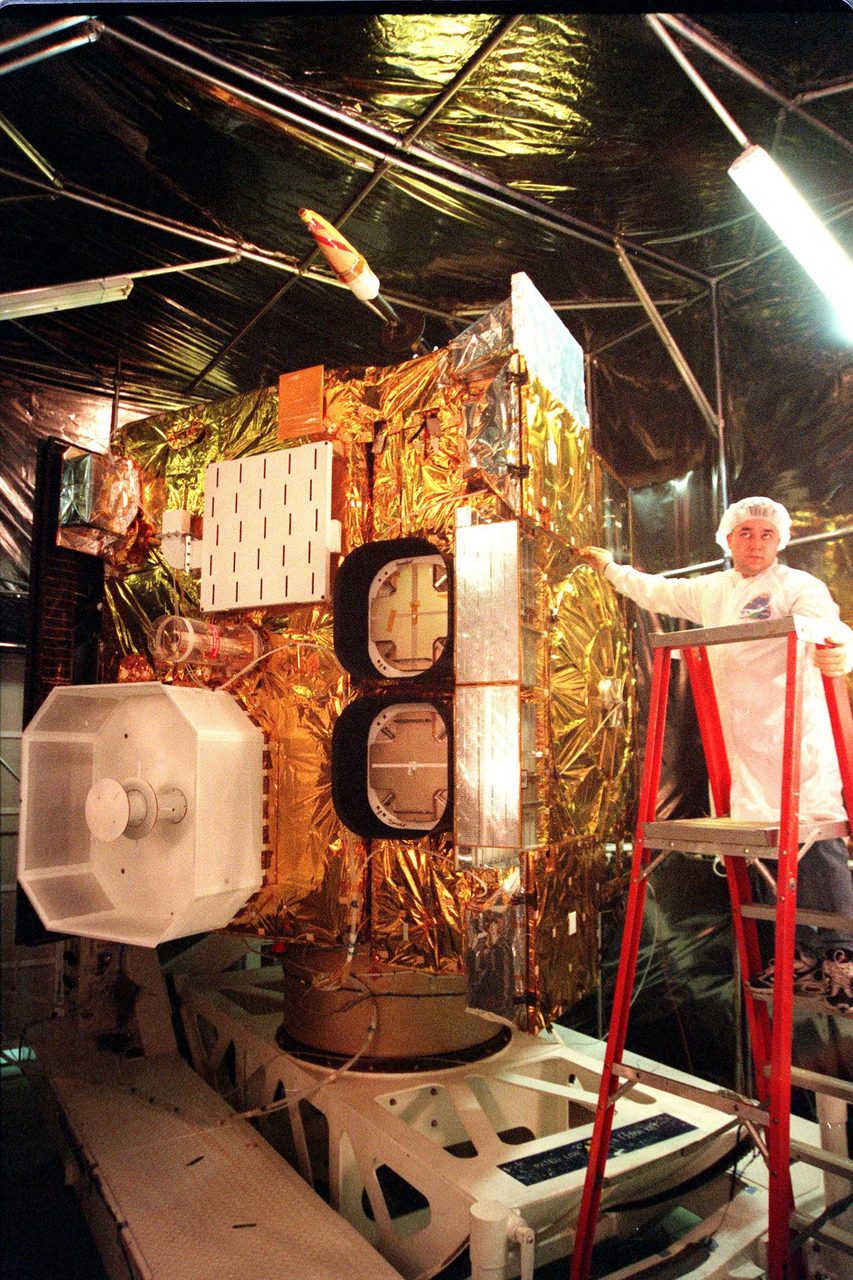
Fengyun-1C was a Chinese weather satellite launched on 10 May 1999, designed to provide meteorological data for weather forecasting and climate monitoring. The satellite was part of the Fengyun series, operated by the China Meteorological Administration.
What is Fengyun-1C?
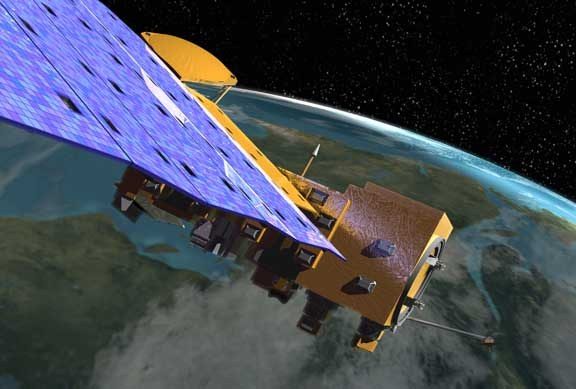
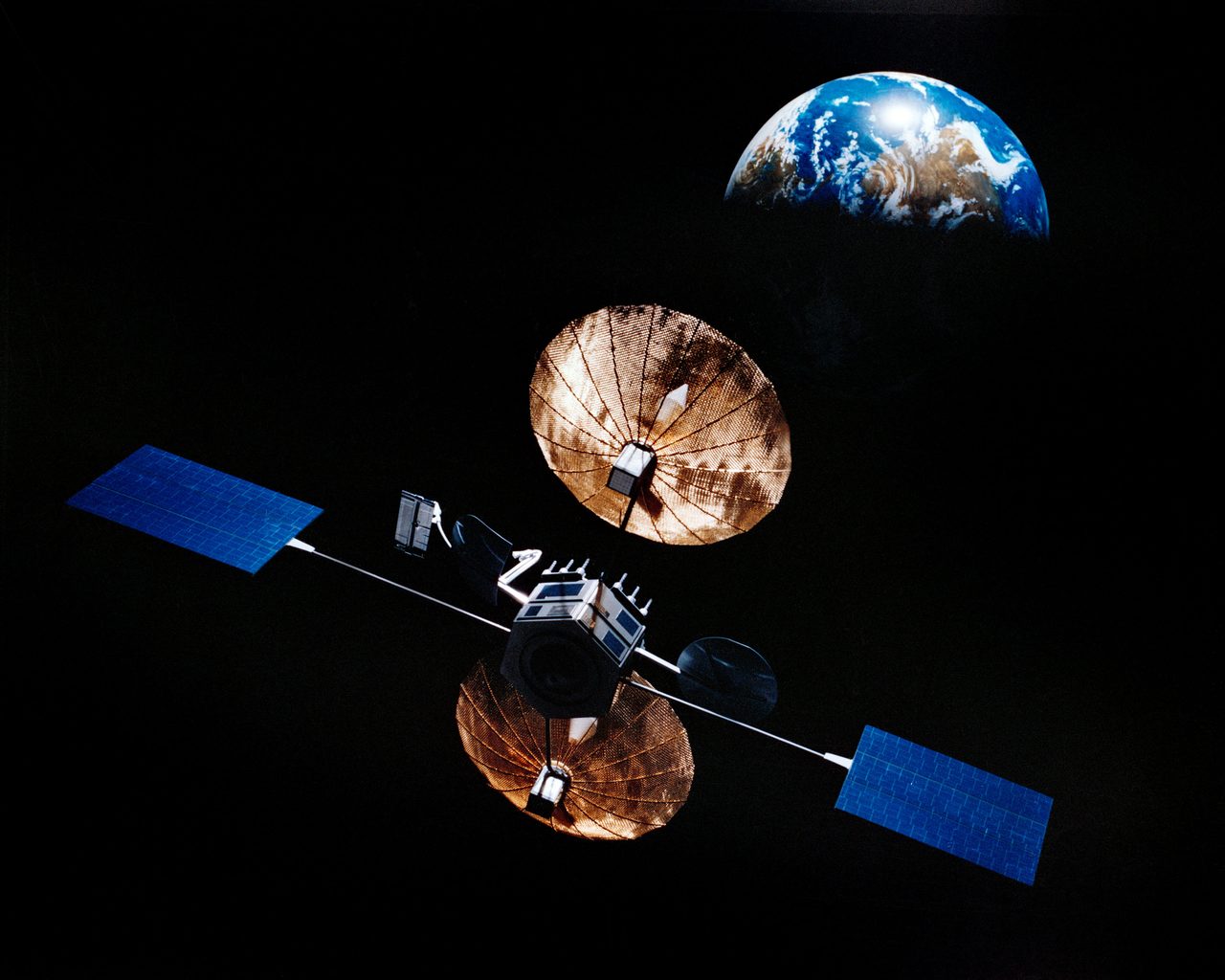
Fengyun-1C was a Chinese weather satellite launched on 10 May 1999, designed to provide meteorological data for weather forecasting and climate monitoring. The satellite was part of the Fengyun series, operated by the China Meteorological Administration. It was placed in a sun-synchronous orbit, allowing it to pass over the same part of the Earth at the same local solar time, which is ideal for consistent weather observations. The satellite carried instruments to monitor atmospheric conditions, cloud cover, and surface temperatures.
Mission and Purpose
The primary mission of Fengyun-1C was to enhance China's meteorological observation capabilities. It provided crucial data for weather prediction, climate research, and environmental monitoring. The satellite's instruments were capable of capturing visible and infrared images of the Earth's surface, which were used to track weather patterns and natural disasters such as typhoons and floods. The data collected by Fengyun-1C contributed to both national and international meteorological services.
Orbital Characteristics
Fengyun-1C was launched into a polar orbit with an altitude of approximately 850 kilometres and an inclination of 98.8 degrees. Its orbital period was about 102 minutes, allowing it to complete roughly 14 orbits per day. The satellite's NORAD ID was 25730. This type of orbit ensured that Fengyun-1C could provide global coverage, essential for comprehensive weather monitoring. The satellite's position and trajectory can be further explored in the Orbital Radar Satellite Library.
Significance and Legacy
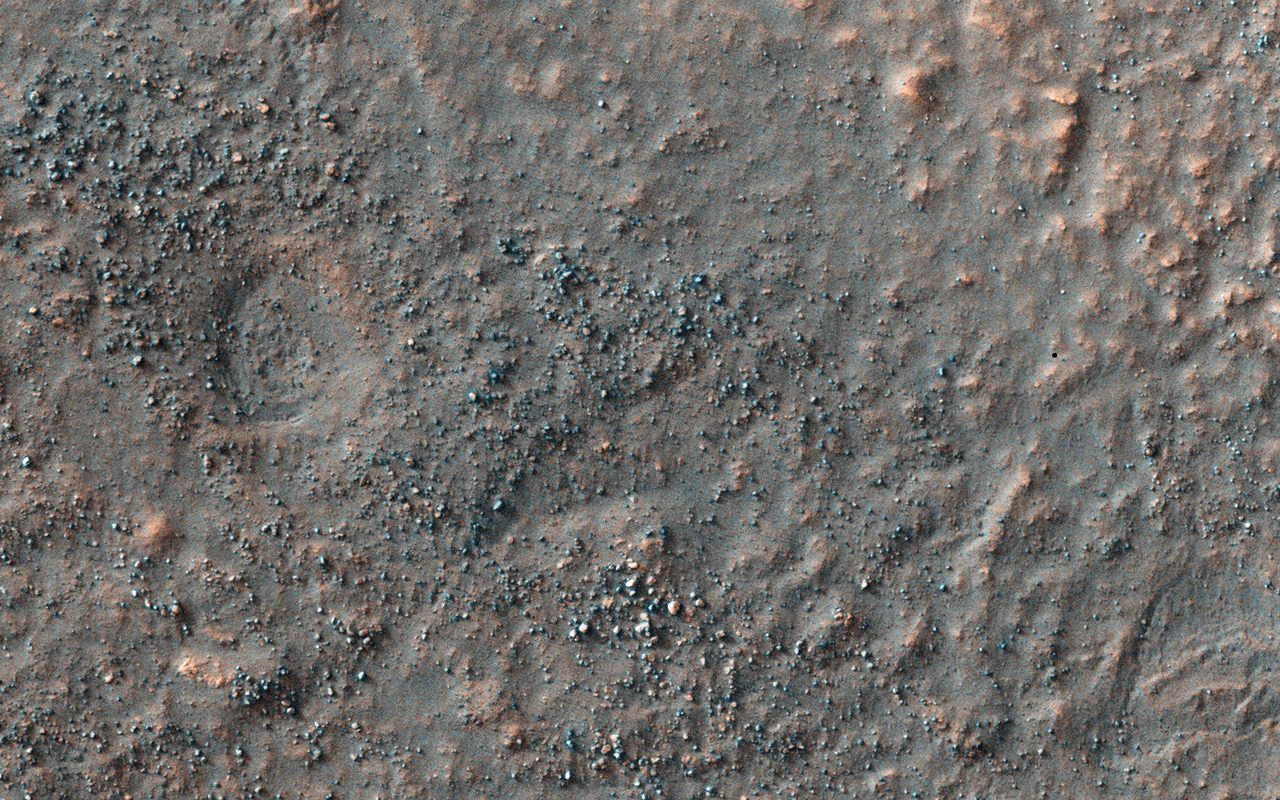
Fengyun-1C became infamous following its destruction in a Chinese anti-satellite (ASAT) test on 11 January 2007. The test created over 3,000 pieces of trackable debris, significantly contributing to the space debris problem. This event highlighted the risks associated with ASAT tests and the long-term impact on space safety. The debris from Fengyun-1C continues to pose a collision risk to active satellites and the International Space Station (ISS). The incident underscored the need for international agreements to prevent similar occurrences in the future.
Current Status
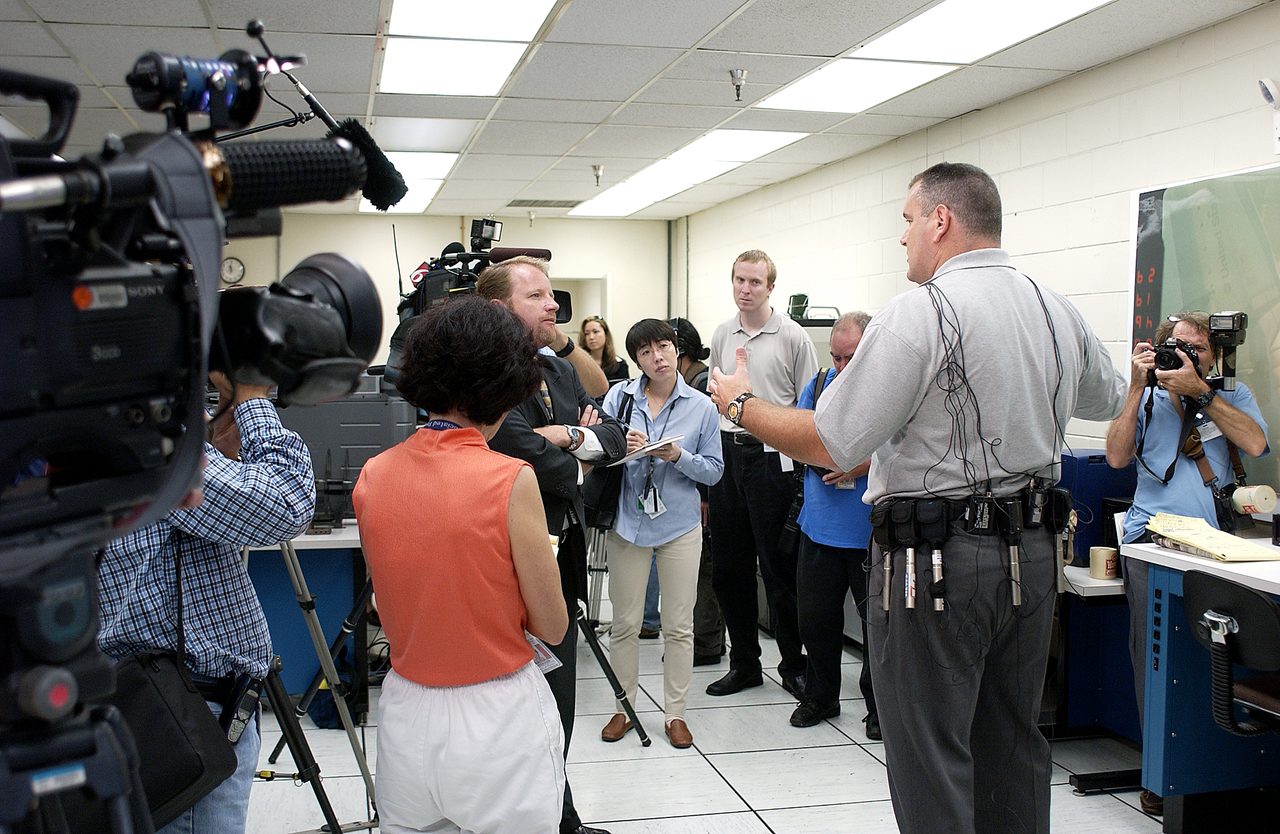
As of 2026, the debris from the Fengyun-1C ASAT test remains a significant concern for space operations. The debris cloud is tracked closely to predict potential collisions and mitigate risks to other satellites. The Orbital Radar Debris Map provides real-time tracking of these fragments, helping space agencies and operators plan safe manoeuvres. Although some debris has re-entered the Earth's atmosphere, much of it remains in orbit, contributing to the estimated 29,314 catalogued objects currently tracked.
📎 Cite this article
Orbital Radar Newsroom. (2026). Fengyun-1C Debris: Legacy of the 2007 ASAT Test. Orbital Radar. https://orbitalradar.com/blog/fengyun-1c-debris-legacy-2007-asat-test"Fengyun-1C Debris: Legacy of the 2007 ASAT Test." Orbital Radar, 11 August 2026, https://orbitalradar.com/blog/fengyun-1c-debris-legacy-2007-asat-test.@misc{orbitalradar_fengyun_1c_debris_legacy_2007_asat_test,
title = {Fengyun-1C Debris: Legacy of the 2007 ASAT Test},
author = {{Orbital Radar}},
year = {2026},
howpublished = {\url{https://orbitalradar.com/blog/fengyun-1c-debris-legacy-2007-asat-test}}
}