This Week in Orbit: 2026-06-21
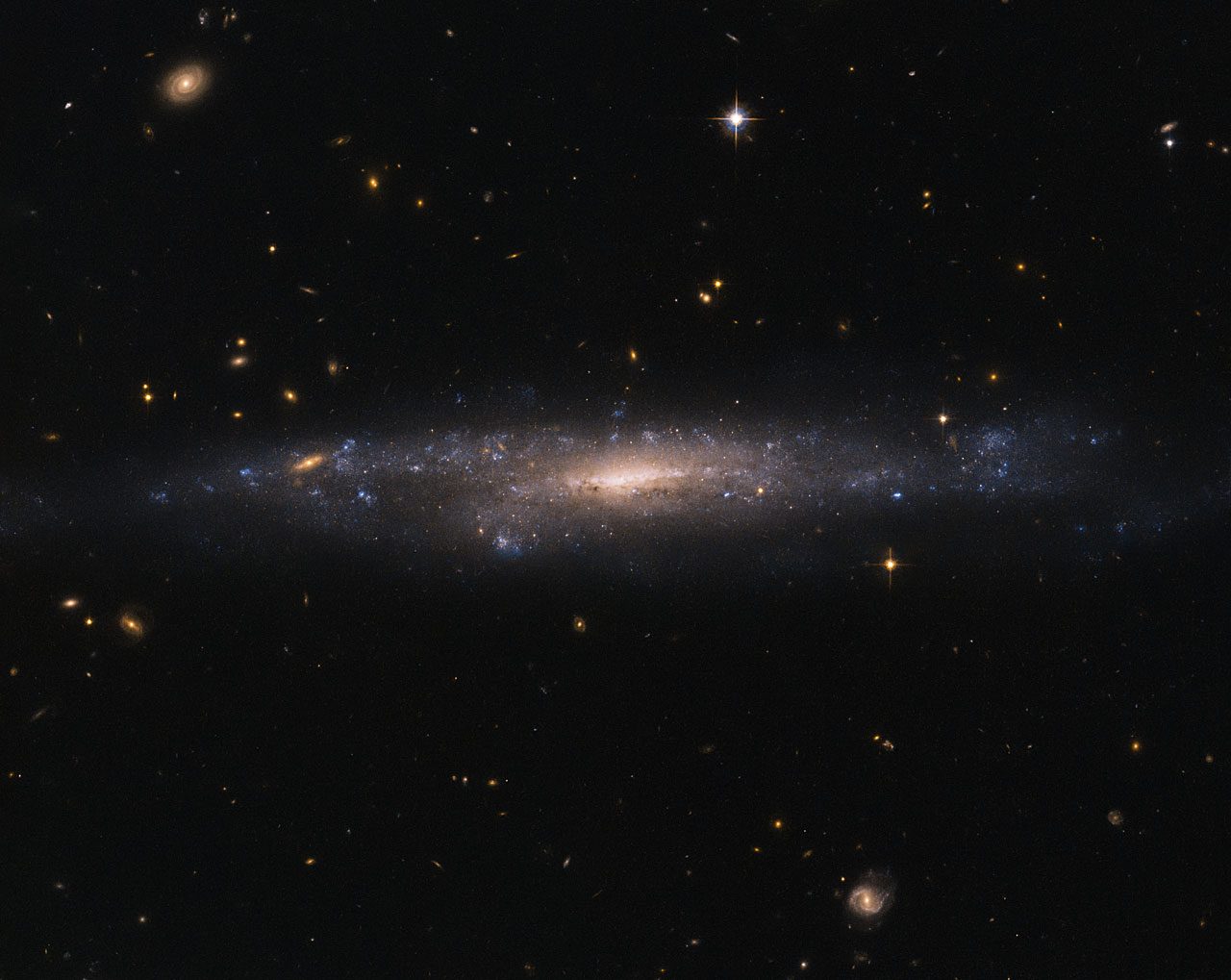
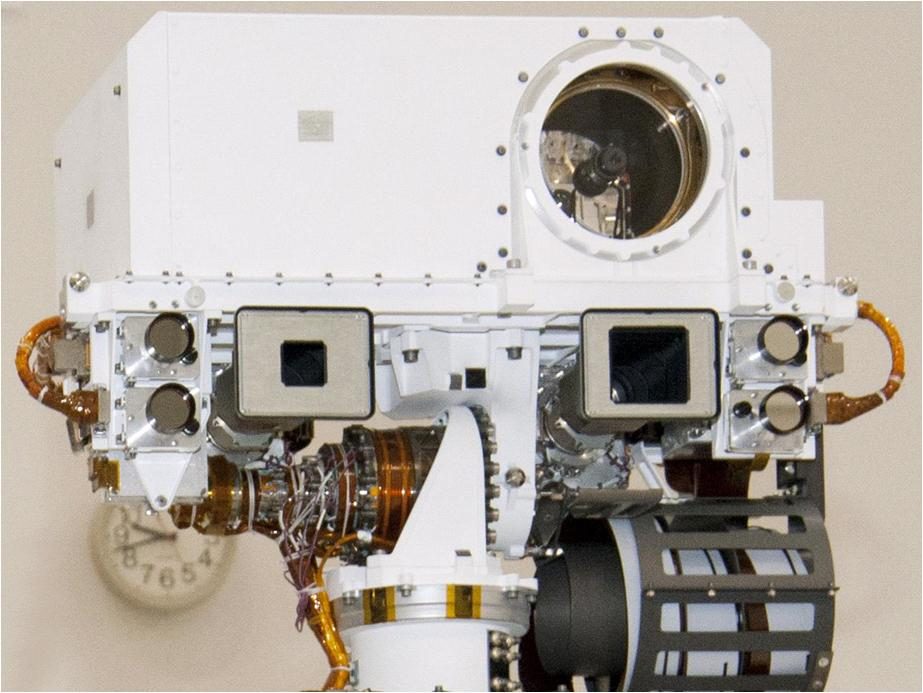
This week, the space community has been abuzz with discussions on a mysterious gamma-ray stream emanating from the Milky Way's centre, potentially linked to dark matter. Meanwhile, NASA is advancing its lunar and Martian rover capabilities, a crucial step towards future exploration missions.
Week Overview
This week, the space community has been abuzz with discussions on a mysterious gamma-ray stream emanating from the Milky Way's centre, potentially linked to dark matter. Meanwhile, NASA is advancing its lunar and Martian rover capabilities, a crucial step towards future exploration missions. On a lighter note, the Northern Hemisphere celebrated the Summer Solstice, marking the longest day of the year.
Launch Activity
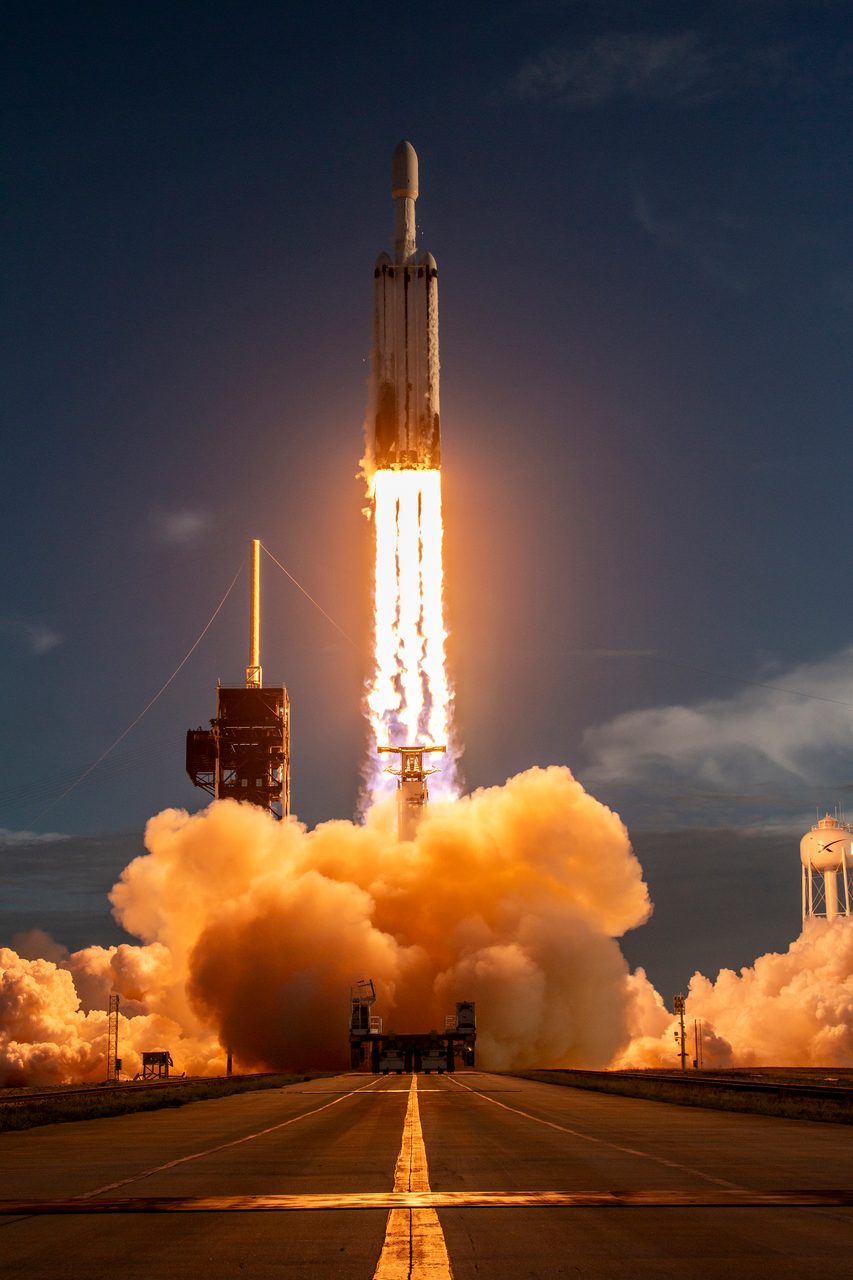
This week saw no new launches, a rare pause in an otherwise bustling launch schedule. The absence of launches provides a moment to reflect on the 18,064 active satellites currently orbiting Earth, including 10,609 Starlink satellites. For updates on upcoming launches, the Orbital Radar Launch Schedule remains an invaluable resource.
Orbital Events
A series of close approaches were monitored this week, with the closest being between OBJECT B and OBJECT D at a mere 0.49 km apart. Such events underscore the growing congestion in low Earth orbit, where 28,590 objects, including 8,643 pieces of debris, are tracked. The Orbital Radar Debris Map offers a detailed view of these objects and their trajectories.
Space Weather
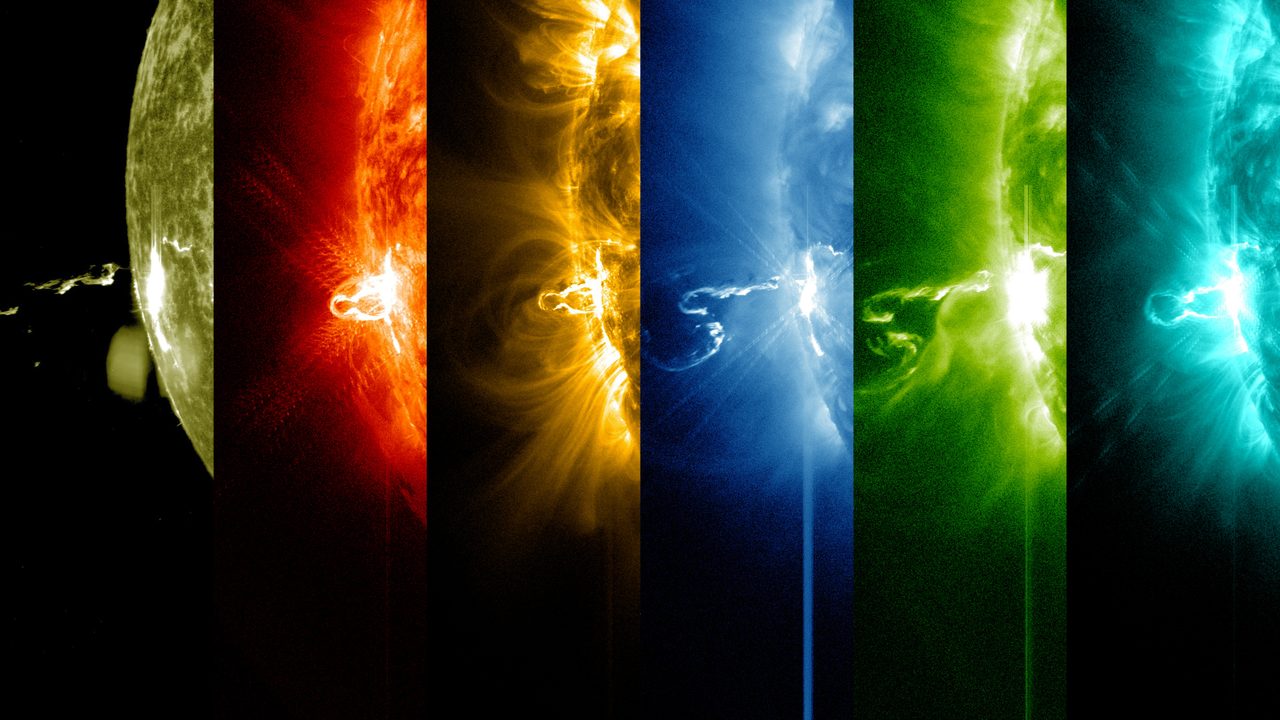
Unfortunately, detailed space weather data was unavailable this week. However, understanding space weather remains crucial as it can impact satellite operations and communications. The Orbital Radar Space Academy provides educational resources on how space weather phenomena like solar flares can affect our technological infrastructure.
Notable Satellites
The Starlink constellation continues to dominate the satellite landscape, with 9,352 operational satellites and 975 currently raising their orbits. The Starlink Tracker on Orbital Radar allows users to follow these satellites and their contributions to global internet coverage.
Looking Ahead
Looking to the future, the Milky Way's eventual collision with the Andromeda galaxy, though 4 billion years away, serves as a reminder of the dynamic nature of our universe. As we continue to expand our presence in space, keeping an eye on both immediate and distant celestial events is crucial.
📎 Cite this article
Orbital Radar Newsroom. (2026). This Week in Orbit: 2026-06-21. Orbital Radar. https://orbitalradar.com/blog/this-week-in-orbit-2026-06-21"This Week in Orbit: 2026-06-21." Orbital Radar, 23 June 2026, https://orbitalradar.com/blog/this-week-in-orbit-2026-06-21.@misc{orbitalradar_this_week_in_orbit_2026_06_21,
title = {This Week in Orbit: 2026-06-21},
author = {{Orbital Radar}},
year = {2026},
howpublished = {\url{https://orbitalradar.com/blog/this-week-in-orbit-2026-06-21}}
}