Space News Mission Log — Satellite Launches, Orbital Events & Analysis
Daily space news, satellite launch reports, orbital debris analysis and weekly roundups — grounded in live tracking data from our network monitoring 8 published reports.
Understanding Orbital Inclination: The Angles of Satellite Orbits
Orbital inclination is the angle between a satellite's orbit and the Earth's equator, crucial for mission objectives.
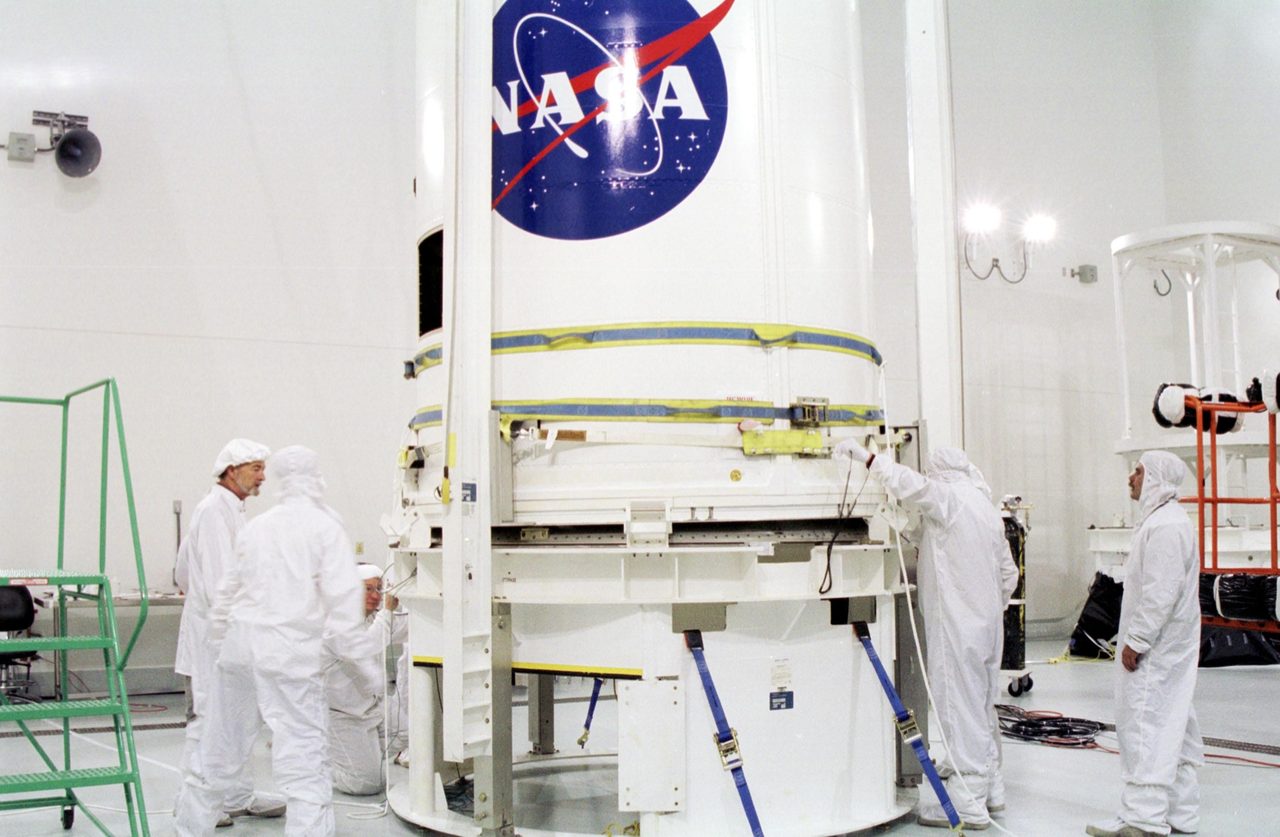
Understanding Sun-Synchronous Orbits: Consistent Sunlight for Satellites
A sun-synchronous orbit allows satellites to maintain consistent sunlight exposure, crucial for imaging and Earth observation tasks.
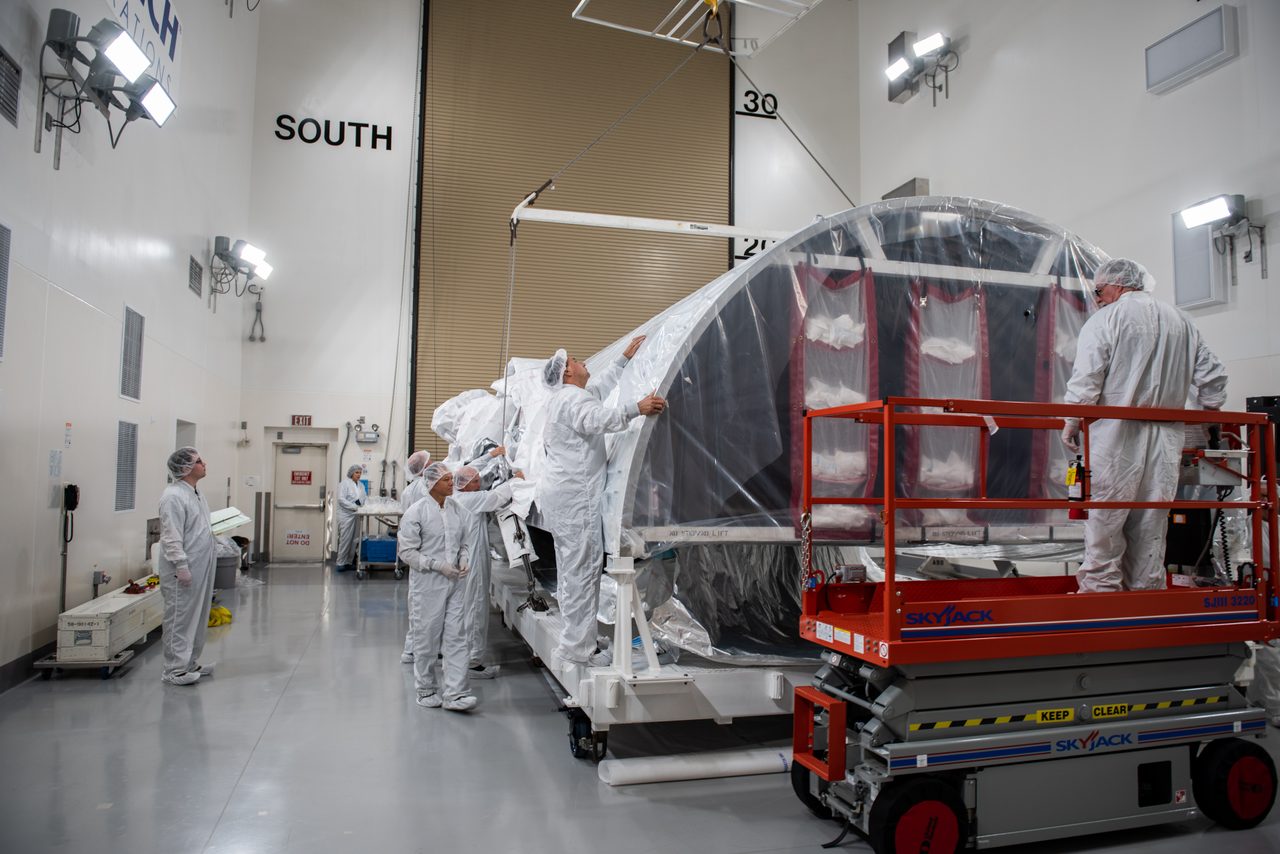
Understanding Polar Orbits: Key Facts and Uses
Polar orbits pass over the Earth's poles, allowing satellites to scan the entire surface. They are crucial for Earth observation missions.

Understanding Satellite Orbits: LEO, MEO, GEO and Beyond
Satellite orbits, including LEO, MEO, and GEO, define how satellites move and function in space. Each orbit serves unique purposes.

Satellite Spotlight: Terra — NASA's Earth Observing System Flagship
Launched on 18 December 1999, Terra is a flagship satellite of NASA's Earth Observing System (EOS) programme. It is designed to monitor the Earth's atmosphere, land, and oceans with a suite of scientific instruments.
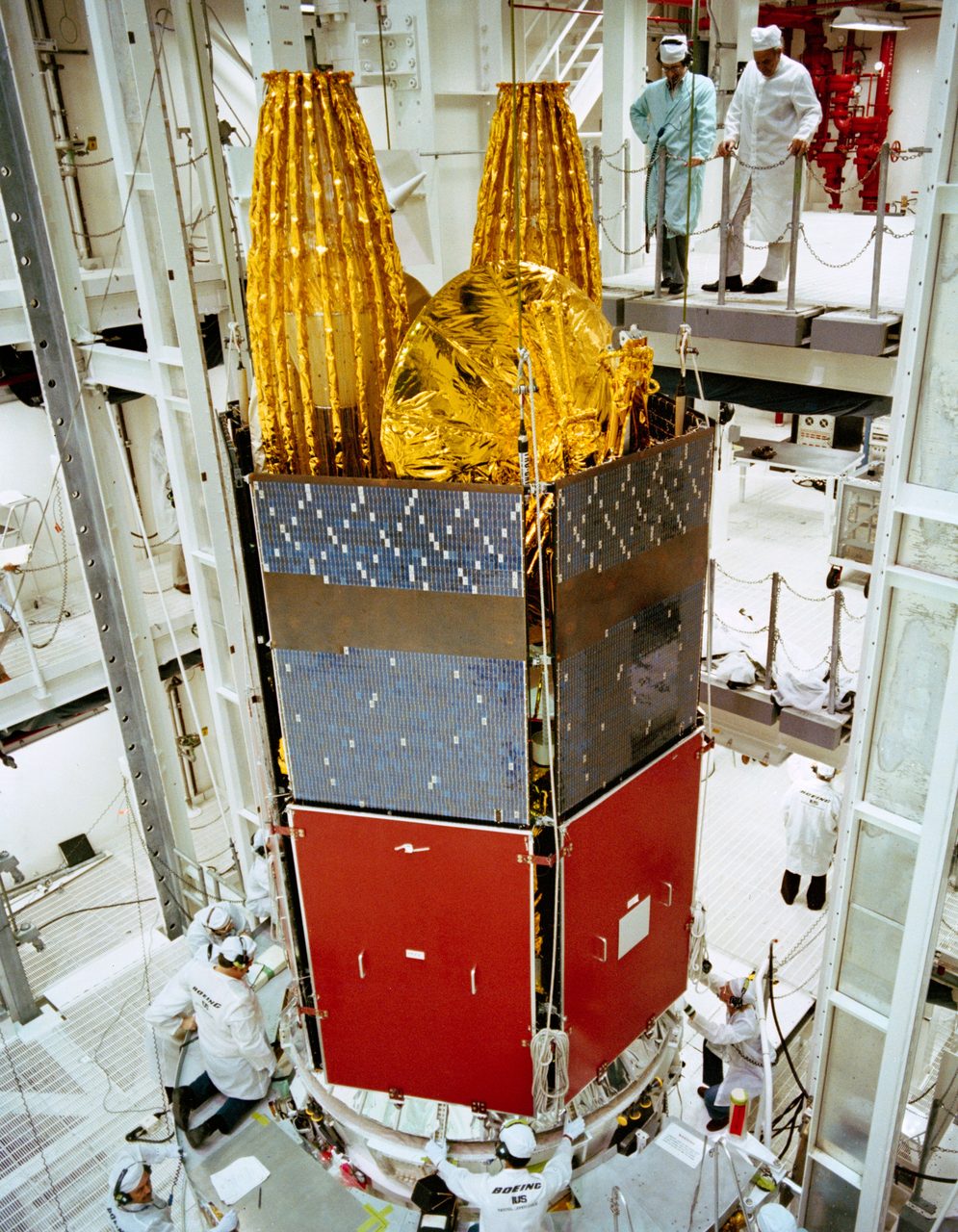
Understanding RAAN: The Right Ascension of the Ascending Node Explained
RAAN, or Right Ascension of the Ascending Node, is an essential orbital parameter that defines a satellite's path relative to Earth's equatorial plane.
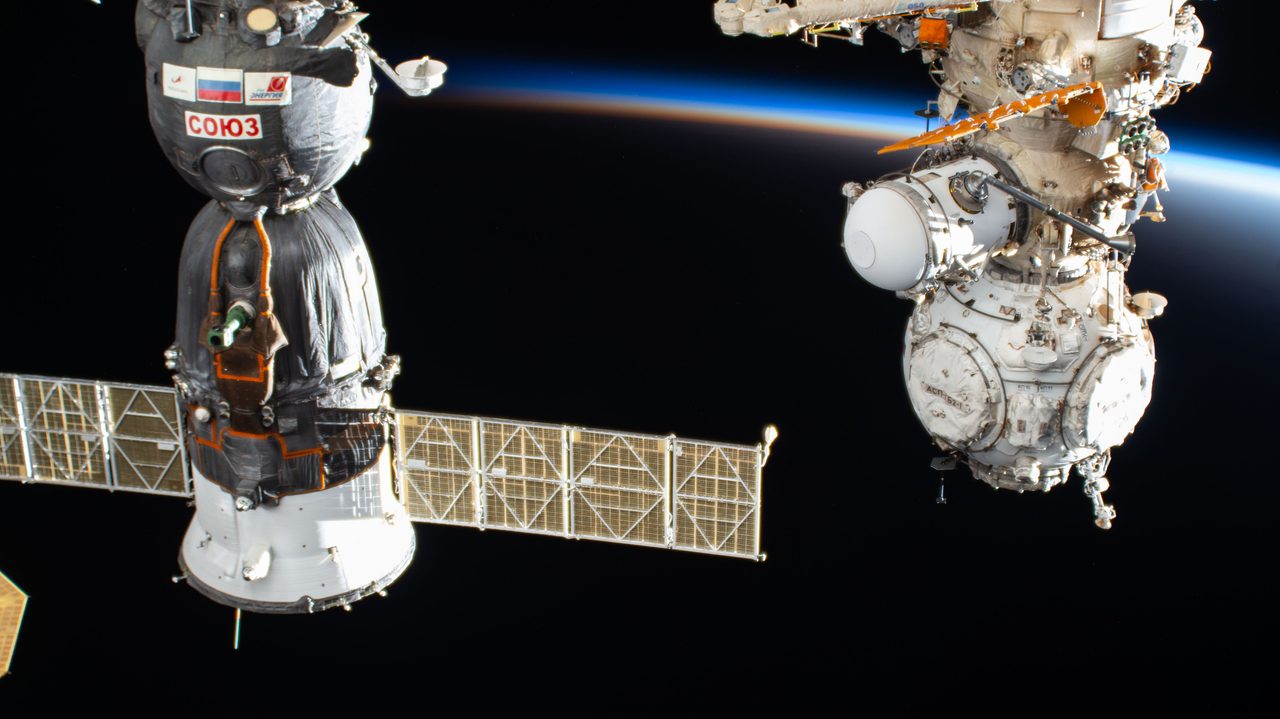
How to See the International Space Station from Your Backyard
To see the ISS from your backyard, use a satellite pass prediction tool to find visible passes and look for a bright, fast-moving object in the sky.

Terra: NASA's Flagship Earth Observing System Platform
Terra, launched by NASA on 18 December 1999, is a key component of the Earth Observing System (EOS) programme. It serves as a flagship platform for studying Earth's climate and environmental systems.