How to See the International Space Station from Your Backyard
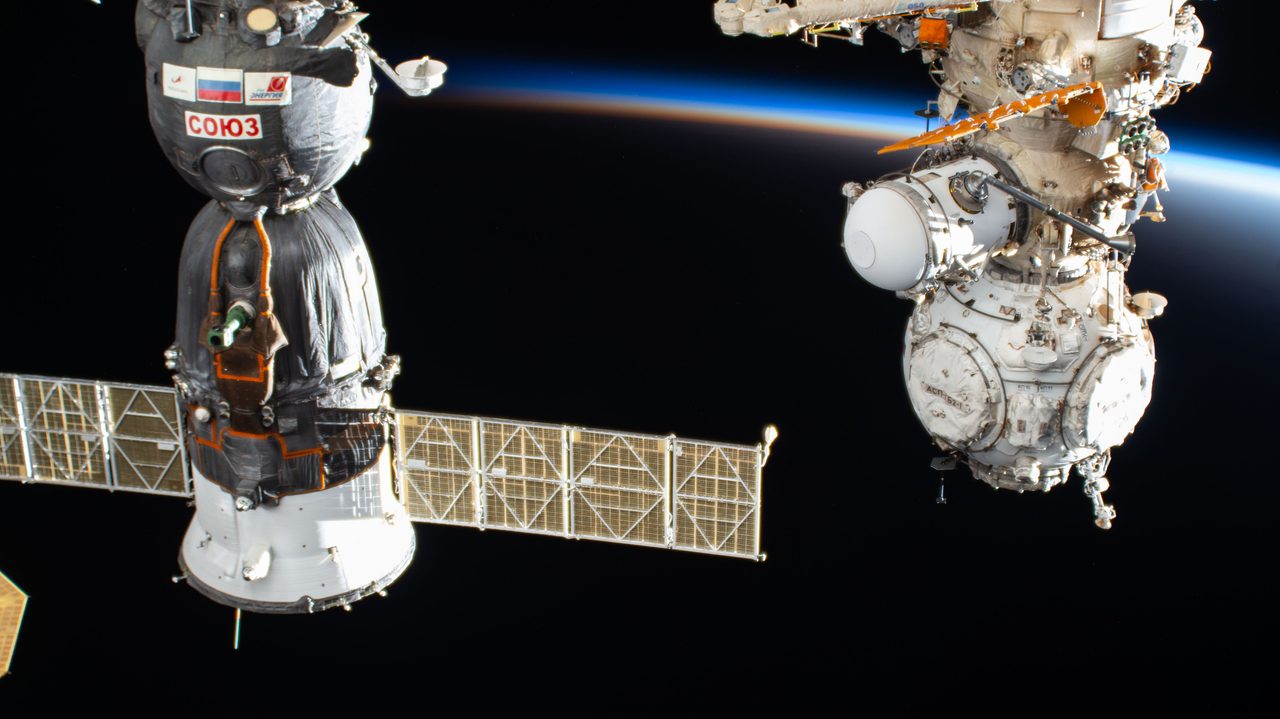
To see the ISS from your backyard, use a satellite pass prediction tool to find visible passes and look for a bright, fast-moving object in the sky.
The International Space Station (ISS) is one of the brightest objects in the night sky, making it visible to the naked eye. To see it, you need to know when and where to look. The ISS orbits Earth approximately every 90 minutes, travelling at a speed of 28,000 km/h at an altitude of around 420 km. This means it is visible from any given location for a few minutes at a time. By using a satellite pass prediction tool, you can determine the exact times the ISS will be visible from your location.
Understanding the ISS Orbit
The ISS follows a low Earth orbit (LEO), which is a circular path around Earth at an altitude of about 420 km. Its orbit is inclined at 51.6 degrees to the equator, allowing it to pass over most of the inhabited areas of the planet. This inclination is a compromise to enable launches from both the Russian Baikonur Cosmodrome and NASA's Kennedy Space Center. The ISS completes an orbit approximately every 90 minutes, resulting in 16 sunrises and sunsets each day. This rapid orbit means it can be seen from different parts of the world at various times.
When and Where to Look
The best time to see the ISS is during dawn or dusk when the sky is dark enough for the station to be visible, but the Sun is still illuminating it. During these times, the ISS appears as a bright, fast-moving object across the sky. To find out when the ISS will be visible from your location, use the Orbital Radar ISS tracker. This tool provides real-time data on the ISS's position and predicts when it will pass over your area.
How to Identify the ISS
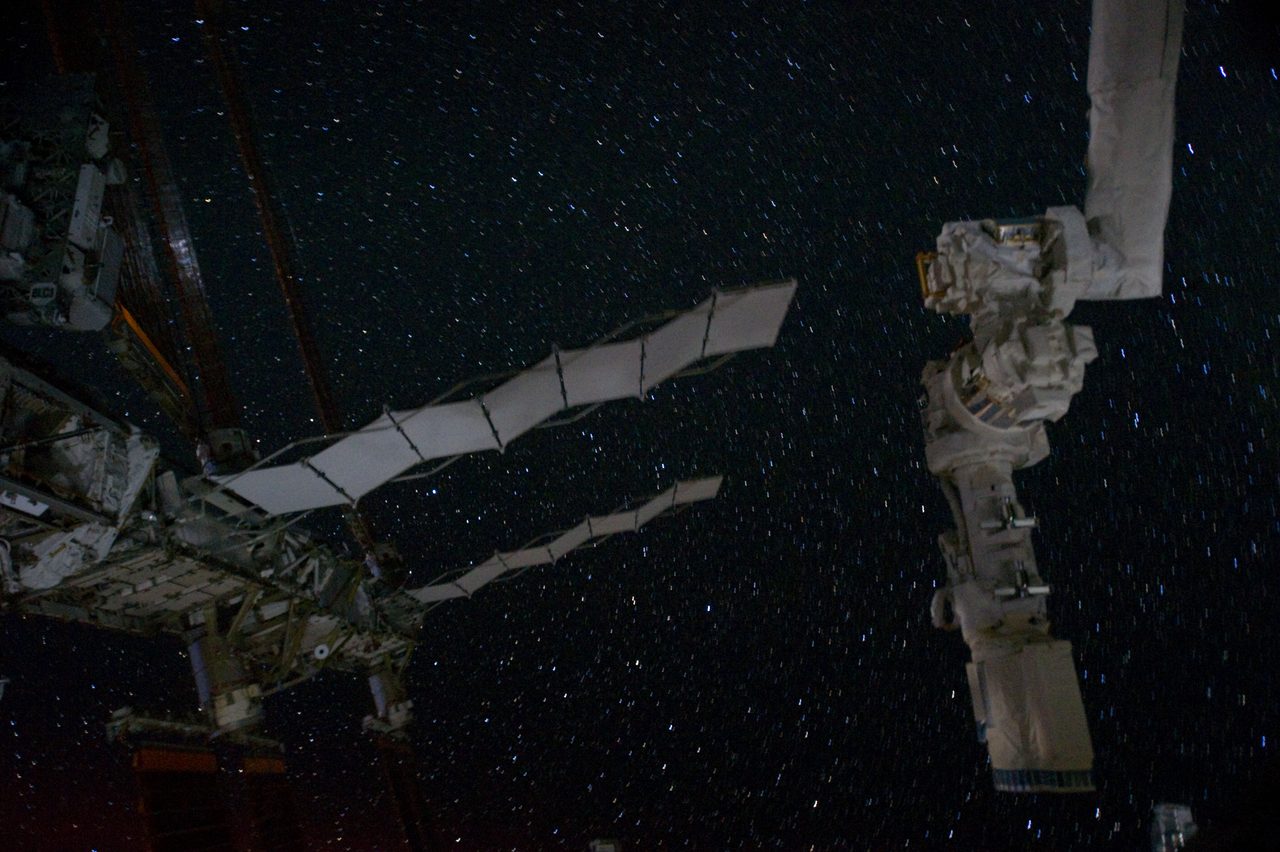
The ISS is distinguishable from stars and other satellites by its brightness and speed. It does not blink like an aircraft and moves steadily across the sky. Depending on the angle of sunlight, it can appear as bright as Venus, the third-brightest object in the sky after the Sun and Moon. The station's brightness is due to its large solar panels reflecting sunlight. For precise tracking, you can use apps or websites that provide real-time tracking data, such as the Orbital Radar ISS tracker.
Using Technology to Enhance Your Viewing
Several smartphone apps and online tools can help you track the ISS. These applications use your location to provide notifications of upcoming visible passes. Some popular options include 'Heavens Above' and 'ISS Tracker'. These tools often include augmented reality features, allowing you to point your device at the sky and see the ISS's path. Additionally, websites like Orbital Radar's pass predictor offer detailed predictions and maps.
Key Takeaways for Spotting the ISS
To successfully observe the ISS, check predictions for visible passes using reliable tracking tools. Look during dawn or dusk for the best visibility. The ISS will appear as a bright, fast-moving object, distinguishable from stars and aircraft. Using technology, such as apps and online trackers, can enhance your viewing experience by providing precise timing and location data.
Frequently Asked Questions
What is the best time to see the ISS?
How can I track the ISS in real-time?
Why does the ISS appear so bright?
How long is the ISS visible during a pass?
Can I see the ISS without any equipment?
📎 Cite this article
Orbital Radar Newsroom. (2026). How to See the International Space Station from Your Backyard. Orbital Radar. https://orbitalradar.com/blog/how-to-see-the-iss-guide"How to See the International Space Station from Your Backyard." Orbital Radar, 3 July 2026, https://orbitalradar.com/blog/how-to-see-the-iss-guide.@misc{orbitalradar_how_to_see_the_iss_guide,
title = {How to See the International Space Station from Your Backyard},
author = {{Orbital Radar}},
year = {2026},
howpublished = {\url{https://orbitalradar.com/blog/how-to-see-the-iss-guide}}
}