Unleashing the Sun: Understanding Coronal Mass Ejections
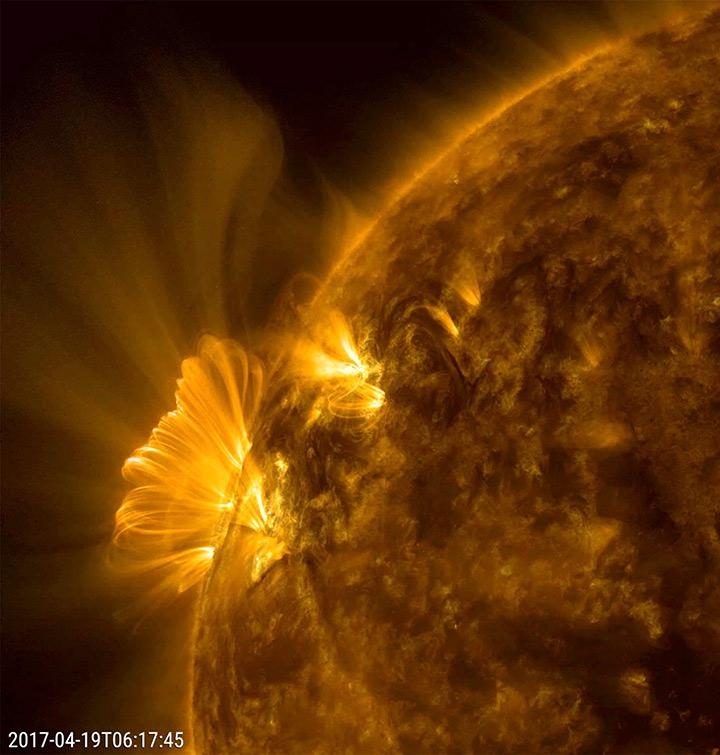
The Solar Dynamics Observatory captures a coronal mass ejection, illustrating the Sun's dynamic magnetic fields and their impact on Earth.
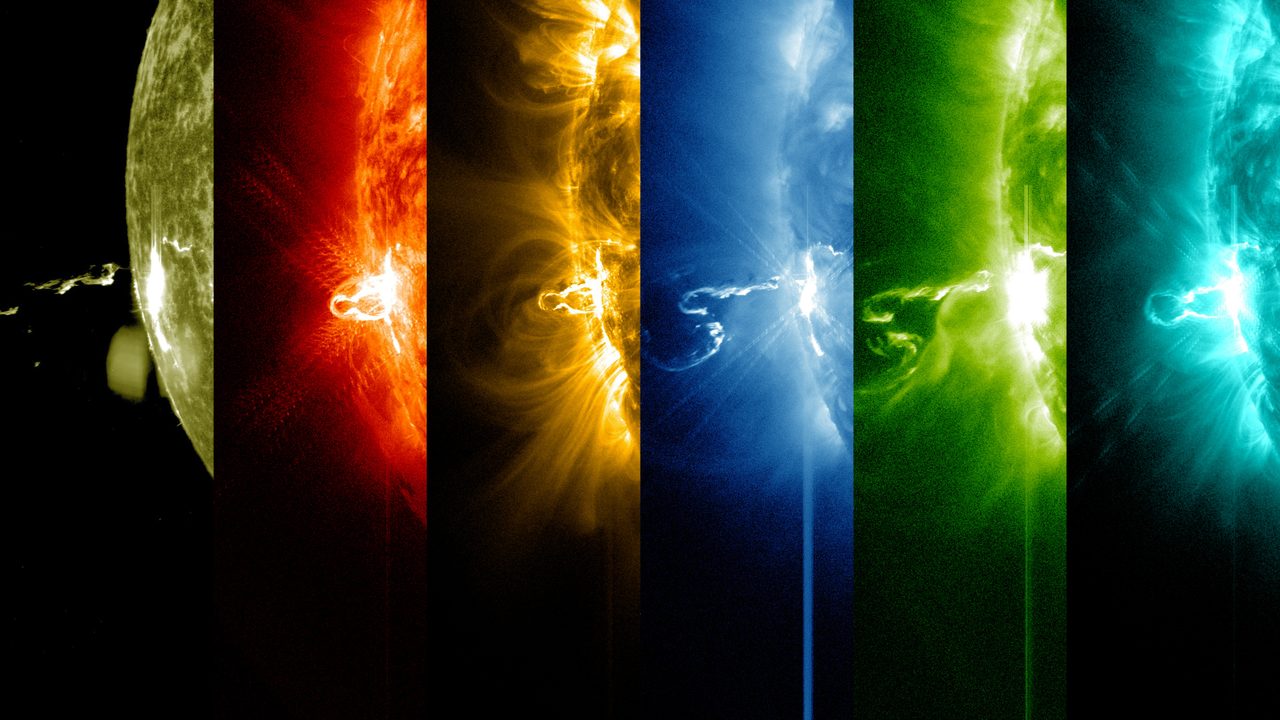
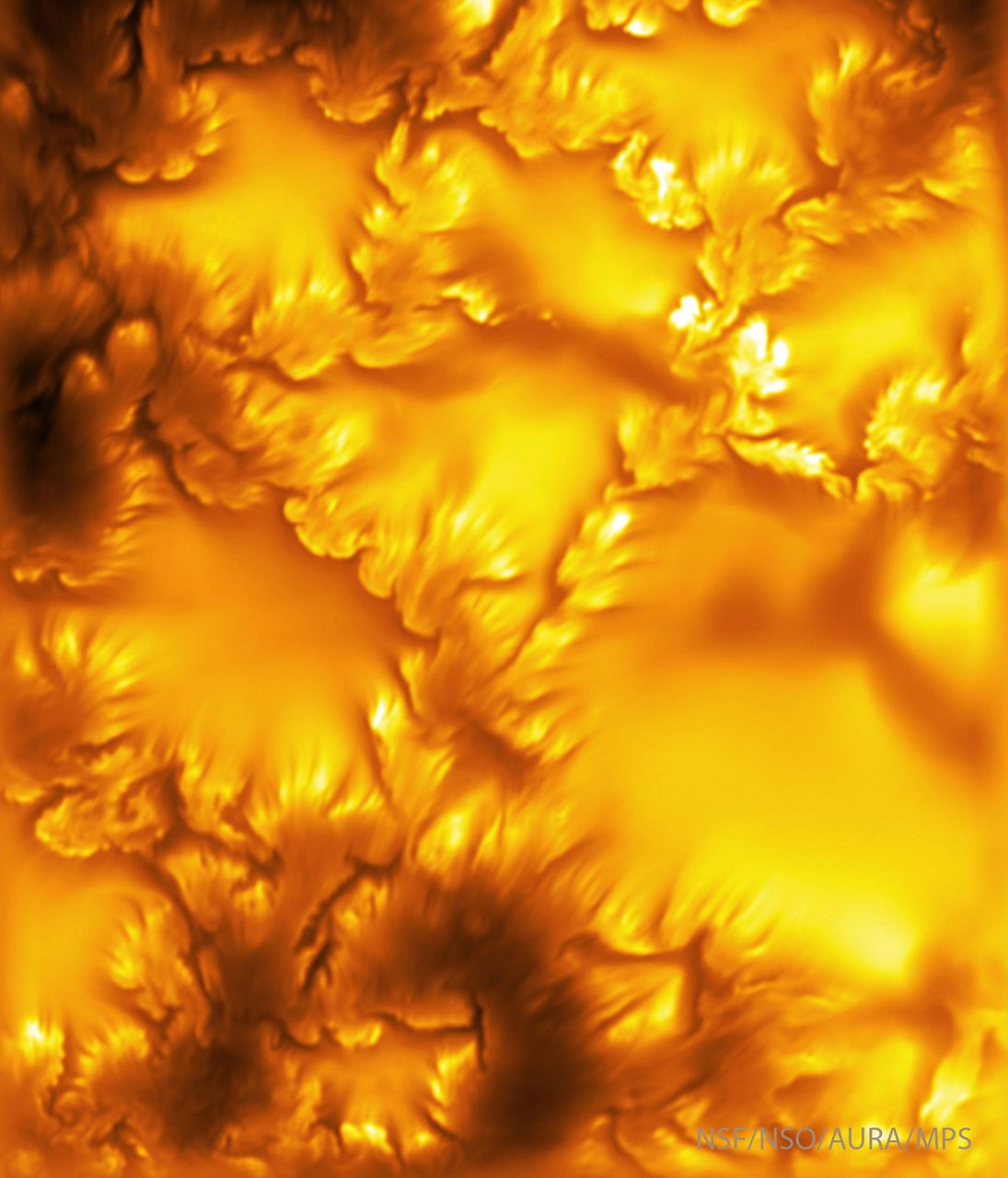
The Sun is not just a static ball of light in the sky; it is a dynamic and volatile star, constantly churning with energy. This volatility is vividly captured in the latest imagery from the Solar Dynamics Observatory (SDO), which observed a coronal mass ejection (CME) on April 24th, 2026. CMEs occur when the Sun's magnetic field lines become too stressed and snap, releasing billions of tons of plasma into space. These events are significant as they can travel at millions of miles per hour, potentially impacting Earth by disrupting power grids and satellite communications.
The Broader Impact of Solar Activity
The effects of CMEs extend beyond the immediate spectacle of plasma ejection. When these solar eruptions reach Earth, they can interfere with satellite operations and pose risks to astronauts in space. Currently, there are 11 people aboard the International Space Station, who rely on accurate space weather forecasts to ensure their safety. The importance of monitoring such solar activity is underscored by the presence of over 18,000 active satellites in orbit, as detailed in the Orbital Radar Satellite Library. Understanding and predicting solar behaviour is crucial for mitigating potential disruptions caused by these powerful solar events.
Observing Solar Activity
For those interested in observing solar phenomena, the Solar Dynamics Observatory provides invaluable data. While observing the Sun directly requires specialised equipment, online resources and tools like the Orbital Radar Satellite Eye offer real-time imagery and insights into solar activity. By understanding the Sun's behaviour, we can better prepare for its impacts on our technology-dependent world.
Frequently Asked Questions
What is a coronal mass ejection?
How do CMEs affect Earth?
📎 Cite this article
Orbital Radar Newsroom. (2026). Unleashing the Sun: Understanding Coronal Mass Ejections. Orbital Radar. https://orbitalradar.com/blog/cosmic-gallery-2026-06-24"Unleashing the Sun: Understanding Coronal Mass Ejections." Orbital Radar, 24 June 2026, https://orbitalradar.com/blog/cosmic-gallery-2026-06-24.@misc{orbitalradar_cosmic_gallery_2026_06_24,
title = {Unleashing the Sun: Understanding Coronal Mass Ejections},
author = {{Orbital Radar}},
year = {2026},
howpublished = {\url{https://orbitalradar.com/blog/cosmic-gallery-2026-06-24}}
}