How Long Does It Take to Get to the ISS? Hours to Days
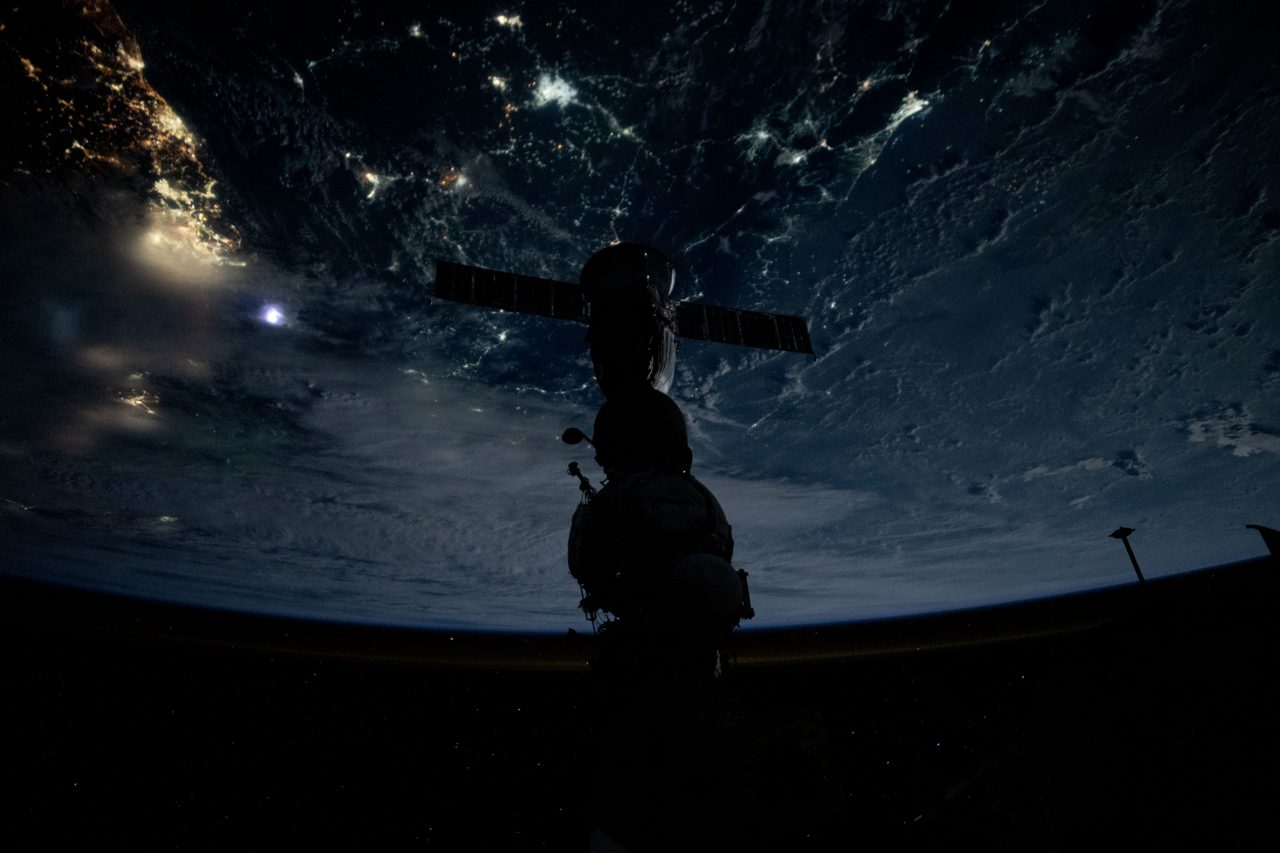
Reaching the ISS can take about three hours or stretch over one or two days. The difference is largely about launch timing, orbital alignment and the spacecraft's rendezvous plan.
| Active satellites | 15,873 |
| Starlink active | 10,080 |
| Catalogued objects | 31,839 |
| Predicted re-entries | 10 |
| Active close approaches | 23 |
| People in space | 10 |
Getting to the International Space Station (ISS) can take about three hours on a fast rendezvous, while other journeys last roughly one or two days. That launch-to-docking time depends on the spacecraft, the station’s position at launch and the approved approach plan—not simply its height above Earth.
Reaching orbit is relatively quick; safely catching and joining the moving station takes carefully timed manoeuvres. Rendezvous means matching another spacecraft’s orbit and motion, rather than merely reaching the same altitude. Docking marks the physical connection between the spacecraft and station; opening the hatch comes later, after checks confirm it is safe for the crew to enter.
Ten people were in space on 21 October 2026, according to Orbital Radar tracking data. That is a space-wide count, not an ISS occupancy figure. Orbital Radar’s ISS tracker shows the station’s changing position, a useful starting point for understanding why a journey to orbit is not the same as a journey to the station.
Why does getting to the ISS take hours rather than minutes?
Getting to the ISS takes hours rather than minutes because reaching orbit is only the first stage: a spacecraft must then catch and match a moving destination. The launch-to-docking clock includes ascent, orbital insertion and rendezvous, not simply the rocket’s climb above Earth.
Launch begins the ascent; orbital insertion means entering a sustained path around Earth. Reaching the station’s altitude does not mean arriving beside it: the spacecraft must also match its orbital plane (the orientation of its orbit), position and velocity — both speed and direction.
Orbital Radar tracking data lists 15,873 active satellites in orbit as of 21 October 2026. Like other orbiting spacecraft, the ISS is continually moving around Earth, rather than waiting directly above the launch pad; its changing location is visible on Orbital Radar’s ISS tracker.
Rendezvous is the process of bringing the spacecraft close to the station with their relative motion controlled. Docking is the physical connection between them, while hatch opening comes afterwards, once the connection and pressure seals have been checked.
Orbital Radar tracking data records 10 people in space as of 21 October 2026. For a crew travelling to the ISS, launch-to-docking and launch-to-hatch-opening are therefore different journey times: neither can be answered using the rocket’s ascent time alone.
How can a spacecraft reach the ISS in about three hours?
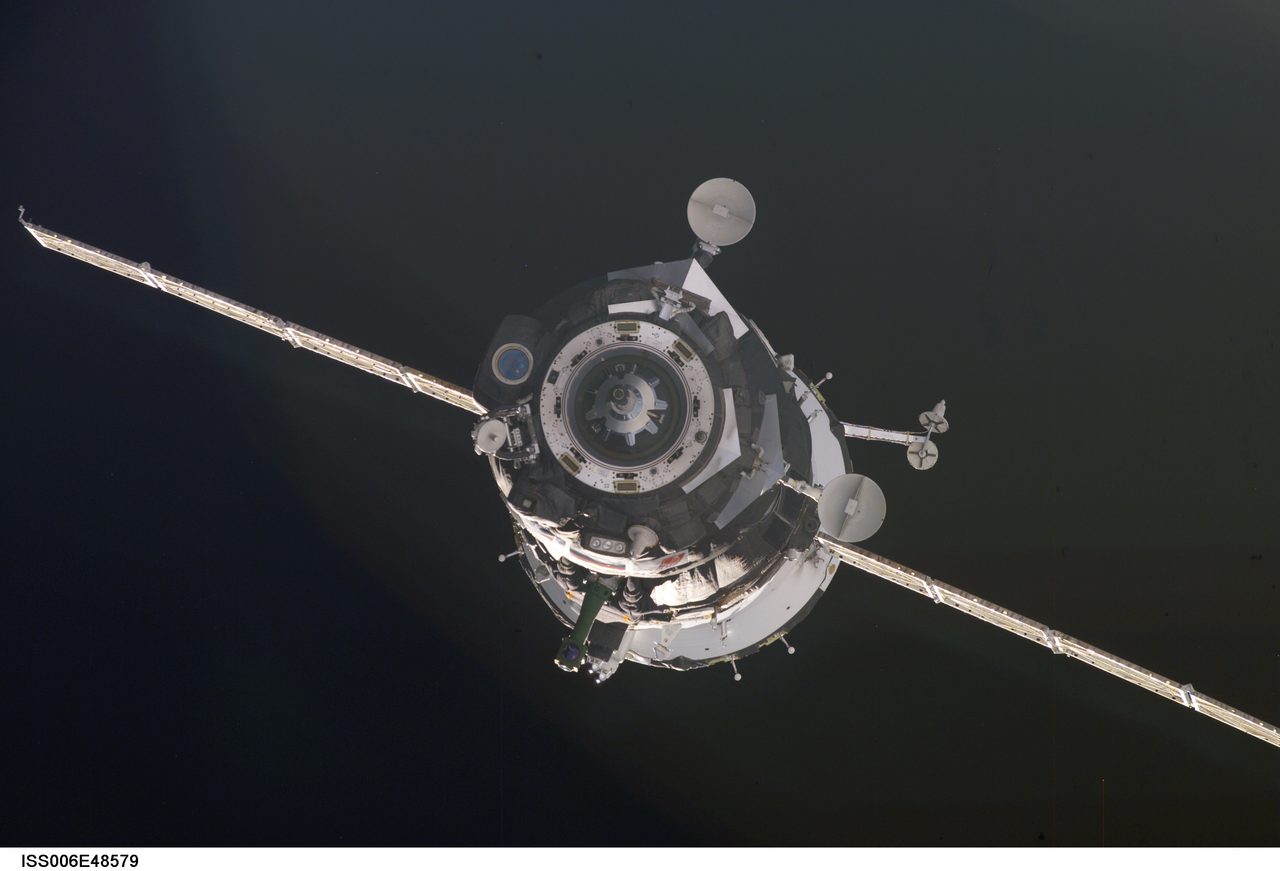
Soyuz can reach the International Space Station in about three hours when the launch timing, orbital geometry and spacecraft procedures are arranged for a fast rendezvous. This is a carefully prepared option, not the default duration of every crewed flight. Orbital Radar tracking data records 10 people in space as of 21 October 2026.
The key is favourable phasing: the relative positions of Soyuz and the station along their orbits. The ISS must be suitably placed when the rocket launches so that Soyuz can close the gap within the planned sequence. Launching into the correct orbital plane — the orientation of an orbit around Earth — is necessary, but does not by itself guarantee a short journey.
The rocket must also deliver Soyuz accurately into its intended initial orbit. A tightly sequenced series of manoeuvres then adjusts the spacecraft’s path and timing to meet the station. Navigation measurements must confirm that the flight remains within the limits of an approved, spacecraft-specific procedure; a fast profile cannot simply be selected after launch.
Orbital Radar’s live catalogue contains 31,839 objects, including debris, as of 21 October 2026. That wider orbital population is context, not an explanation of any particular crew’s journey time.
Orbital Radar’s Soyuz capsule page provides spacecraft context. Its fast-rendezvous capability should remain distinct from a mission’s actual arrival time, which depends on the approved flight plan and how that flight proceeds.
Why do some ISS journeys take one or two days?
Some ISS journeys take one or two days because the planned route gives the spacecraft additional orbits to adjust its position relative to the station, rather than aiming for the shortest possible journey. Rendezvous (bringing two spacecraft together in orbit) depends on matching their positions and motion, not simply covering the distance to the ISS.
A spacecraft can spend time in an orbit below the station, gradually gaining ground before planned engine burns raise its orbit. This longer sequence can accommodate spacecraft checks, crew meals and rest, and coordination of the station’s arrival schedule; the balance differs between missions.
A deliberately scheduled longer rendezvous is not an unplanned delay, and it does not itself indicate a malfunction. Nor does it necessarily mean a less capable rocket or a capsule travelling more slowly throughout the flight: orbital speed changes as the spacecraft changes altitude. Orbital Radar’s Crew Dragon profile provides context on the spacecraft used for these journeys.
Orbital Radar tracking data lists 10 people in space as of 21 October 2026. Orbital Radar’s live catalogue lists 15,873 active satellites in orbit as of 21 October 2026. Those totals describe the wider orbital environment; neither determines how long a particular crew’s scheduled rendezvous will take.
What decides which rendezvous profile a crew flies?
The rendezvous profile depends on launch geometry, spacecraft capability and an approved mission plan—not simply how quickly the crew wants to arrive. The launch site must pass through the ISS orbital plane (the flat surface containing the station’s orbit), because changing orbital planes after launch requires substantial propellant.
That alignment constrains when a launch can happen; the station’s position along its orbit determines the catch-up problem. A suitable plane crossing does not automatically put the ISS within reach of a fast rendezvous. Planners must also account for the spacecraft’s initial orbit and the manoeuvres needed to close the gap.
Spacecraft propulsion, navigation systems and launch performance must support the selected profile. The approved sequence includes navigation checks and propulsion-system verification before subsequent manoeuvres. Orbital Radar’s Crew Dragon profile provides background on the vehicle; its capabilities do not make every arrival timetable interchangeable.
Orbital Radar tracking data records 10 people in space as of 21 October 2026. Docking-port availability, station activities and crew work-and-rest schedules also shape the arrival plan, but these operational constraints do not determine flight duration on their own.
Orbital Radar tracking data also lists 23 active close approaches. Such monitoring does not mean every encounter affects an ISS-bound spacecraft: the mission’s actual trajectory matters.
A missed launch opportunity can change the geometry available for the next attempt. Likewise, an insertion orbit that differs from the target may require a revised arrival plan after assessment by mission control. A fast profile is a pre-planned, validated option—not something the crew can simply select after lift-off.
Is Soyuz always faster than Crew Dragon?
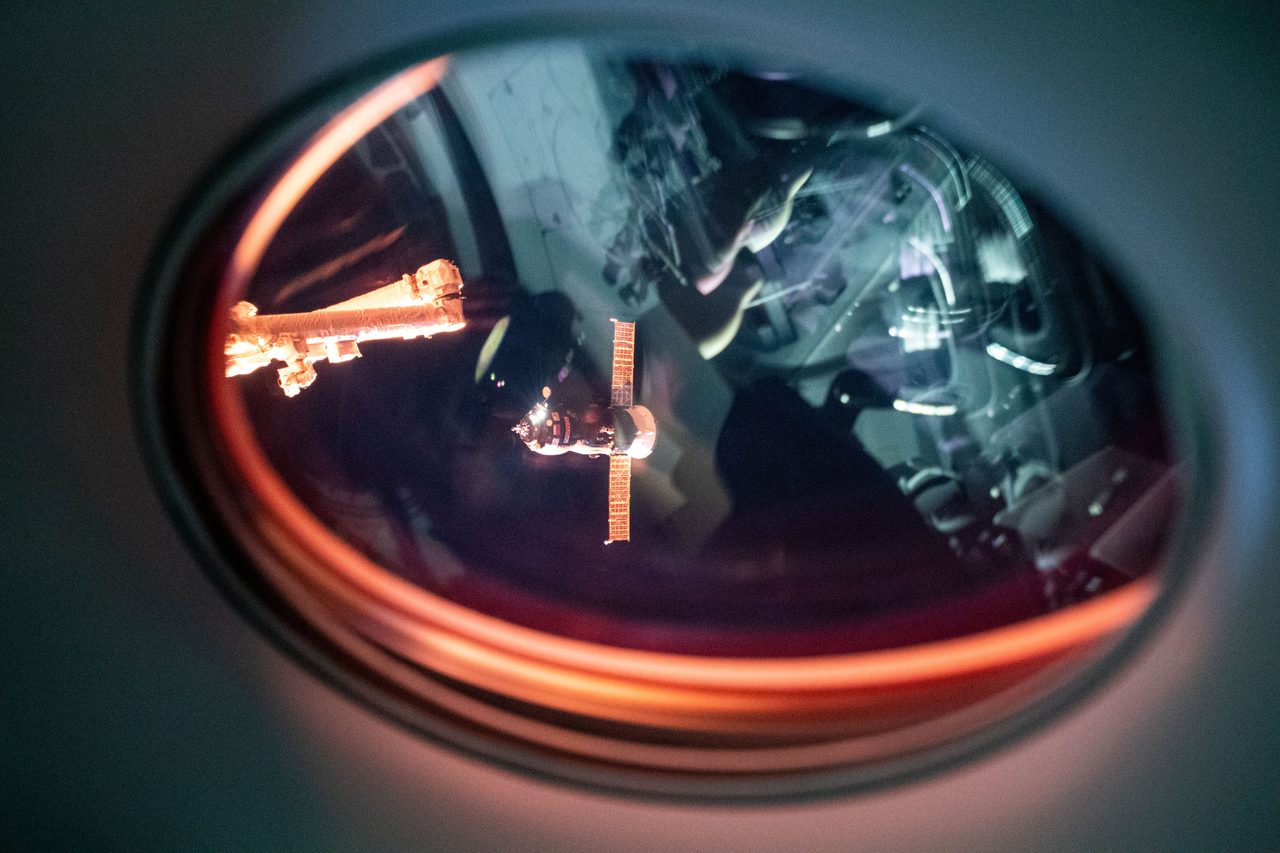
No. Soyuz can reach the International Space Station (ISS) in roughly three hours using a fast rendezvous profile, but that is an available flight plan, not a fixed journey time. Crew Dragon missions with longer schedules do not establish that the spacecraft is inherently slower.
The useful comparison is between the rendezvous profiles (planned sequences for meeting another spacecraft in orbit) selected for individual missions. Soyuz has demonstrated its roughly three-hour option, while readers may encounter Crew Dragon plans allowing an overnight journey or longer. Neither description should become a universal launch-to-docking time: a demonstrated capability and a mission’s chosen timetable are different things.
Nor is this simply a comparison of rocket power. The launch vehicle places a capsule in orbit; reaching the station then depends on controlled changes to its orbital path. Soyuz and Crew Dragon use different guidance systems and operational procedures, with mission requirements shaping how those capabilities are used. A longer planned journey does not, by itself, reveal a propulsion limitation.
Orbital Radar’s Crew Dragon page and Soyuz capsule page provide background on the vehicles. When comparing arrival times, look for the schedule announced for the particular flight, rather than treating either capsule’s name as a promise of how many hours its passengers will spend travelling.
What happens during the final approach and docking?
During final approach, a spacecraft makes increasingly small movements relative to the ISS, aligns with its docking port and connects before the crew prepares to open the hatches. Orbital rendezvous becomes proximity operations (controlled flight close to another spacecraft), where precise positioning matters more than covering distance.
Navigation systems check range, closing speed and alignment. The spacecraft follows an approach corridor—an agreed route towards the port—with planned hold points where it can pause while its systems and controllers confirm that conditions are suitable to continue.
Orbital Radar tracking data recorded 10 people in space on 21 October 2026. For arriving crews, docking is not yet permission to enter the station: initial contact allows the docking mechanism to capture the visiting spacecraft, followed by secure mechanical attachment and connection checks.
Orbital Radar tracking data lists 23 active close approaches between tracked objects. Those encounters are distinct from a deliberate docking approach, which uses onboard navigation and mission control oversight; the Orbital Radar Crew Dragon page provides context on a spacecraft that performs this sequence.
After attachment, crews check the seals and pressure in the space between the closed hatches, looking for evidence of leaks. They equalise pressure and complete hatch-opening preparations before anyone crosses into the ISS. Launch-to-docking therefore ends at the spacecraft’s arrival and attachment; launch-to-entering-the-ISS includes the additional work needed to establish a safe passage between the vehicles.
Can safety checks or orbital traffic delay arrival?
Yes. Safety checks or orbital traffic can delay arrival at the International Space Station (ISS), even after a spacecraft has reached orbit. A navigation discrepancy, a propulsion concern or unsuitable approach conditions can prompt controllers to hold at a safe distance, revise the rendezvous plan or discontinue the approach rather than proceed to docking.
The response depends on the fault and the spacecraft’s procedures. If navigation measurements disagree, controllers may need to establish a reliable position and relative speed before authorising further movement. A propulsion concern may require checks on whether the craft can manoeuvre safely; an approach outside permitted conditions may require a retreat and another attempt. Orbital Radar’s Crew Dragon page provides background on one of the spacecraft used for these journeys.
Orbital Radar tracking data recorded 23 active close approaches across its catalogue on 21 October 2026. That catalogue-wide figure is not a count of ISS threats, imminent collisions or delayed crew missions. A close approach does not, by itself, establish that evasive action is necessary.
Collision screening (assessing whether predicted paths pass dangerously close) is part of orbital operations. However, attributing a particular crew’s delayed arrival to debris requires mission-specific evidence linking the predicted encounter to a changed schedule or manoeuvre.
How can I check where the ISS is right now?
Use Orbital Radar’s ISS tracker to inspect the International Space Station’s current mapped position and ground track (the path beneath its orbit on Earth). Watch that position change to see why launch timing matters: a visiting spacecraft must meet a moving station, not simply reach its altitude.
The map alone cannot establish a spacecraft’s docking time. That also depends on the spacecraft’s orbit, planned manoeuvres and approach sequence; the station’s location is only part of the rendezvous problem.
Orbital Radar tracking data lists 15,873 active satellites in orbit as of 21 October 2026. Orbital Radar’s live catalogue contains 31,839 objects, including debris. These figures describe the wider tracked population, not objects necessarily visible overhead.
For an explanation of calculated positions, read Orbital Radar’s guide to two-line elements (a standard format for orbital data). Tracking software uses these orbital descriptions to predict where an object will be at a given time. The mapped ISS position is therefore a calculation, not a live camera view; predictions can become less accurate as orbital data ages or manoeuvres change the orbit.
Tracking the ISS is different from seeing it. For a visible pass from your location, use Orbital Radar’s guide at /how-to-see-iss-tonight: the station must be above your horizon and sunlit against a sufficiently dark sky.
Key takeaways
- A journey to the ISS can take about three hours or roughly one or two days, depending on the spacecraft and mission plan.
- Launch timing and orbital alignment matter more than the station's distance above Earth when explaining the difference.
- A fast rendezvous requires favourable conditions and an approved flight profile; it is not available on demand for every launch.
- Docking is not the end of the arrival process, because crews must complete attachment and pressure checks before opening the hatch.
Frequently Asked Questions
Do astronauts sleep on the way to the ISS?
Can astronauts feel weightless before reaching the ISS?
Why does a spacecraft sometimes enter a lower orbit to catch the ISS?
Can a crew return to Earth without docking with the ISS?
Is travelling to the ISS the same as travelling to the Moon?
📎 Cite this article · data available
Orbital Radar Newsroom. (2026). How Long Does It Take to Get to the ISS? Hours to Days. Orbital Radar. https://orbitalradar.com/blog/how-long-to-get-to-the-iss"How Long Does It Take to Get to the ISS? Hours to Days." Orbital Radar, 21 October 2026, https://orbitalradar.com/blog/how-long-to-get-to-the-iss.@misc{orbitalradar_how_long_to_get_to_the_iss,
title = {How Long Does It Take to Get to the ISS? Hours to Days},
author = {{Orbital Radar}},
year = {2026},
howpublished = {\url{https://orbitalradar.com/blog/how-long-to-get-to-the-iss}}
}