Space Tourism Costs: Who Can Afford the Final Frontier?
Space tourism costs vary widely, from $250,000 for suborbital flights to $55 million for a stay on the ISS. Learn more about pricing and options.
Space tourism, the commercial activity of sending private individuals into space, has become increasingly feasible in recent years. Costs range from $250,000 for suborbital flights with companies like Blue Origin, to $55 million for a trip to the International Space Station (ISS) aboard SpaceX's Crew Dragon. These figures reflect the technological advancements and market dynamics shaping the industry.
What is Space Tourism?
Space tourism refers to the commercial activity of sending private individuals into space for recreational, leisure, or adventure purposes. This burgeoning industry has been made possible by advancements in space technology and the entry of private companies such as SpaceX, Blue Origin, and Virgin Galactic. The Orbital Radar space tourism page provides further insights into the missions and companies involved.
How Much Does a Space Trip Cost?
The cost of space tourism varies significantly depending on the type of flight. Suborbital flights, which offer a few minutes of weightlessness, are priced around $250,000 per seat. In contrast, orbital flights, such as those to the ISS, can cost upwards of $55 million. These prices reflect the complexity and duration of the missions, as well as the technological infrastructure required.
Who Are the Key Players in Space Tourism?
Key players in the space tourism industry include SpaceX, Blue Origin, and Virgin Galactic. SpaceX's Crew Dragon has been pivotal in ferrying private astronauts to the ISS, while Blue Origin and Virgin Galactic focus on suborbital experiences. The commercial crew missions page on Orbital Radar provides detailed information on these companies and their spacecraft.
What Are the Training Requirements for Space Tourists?
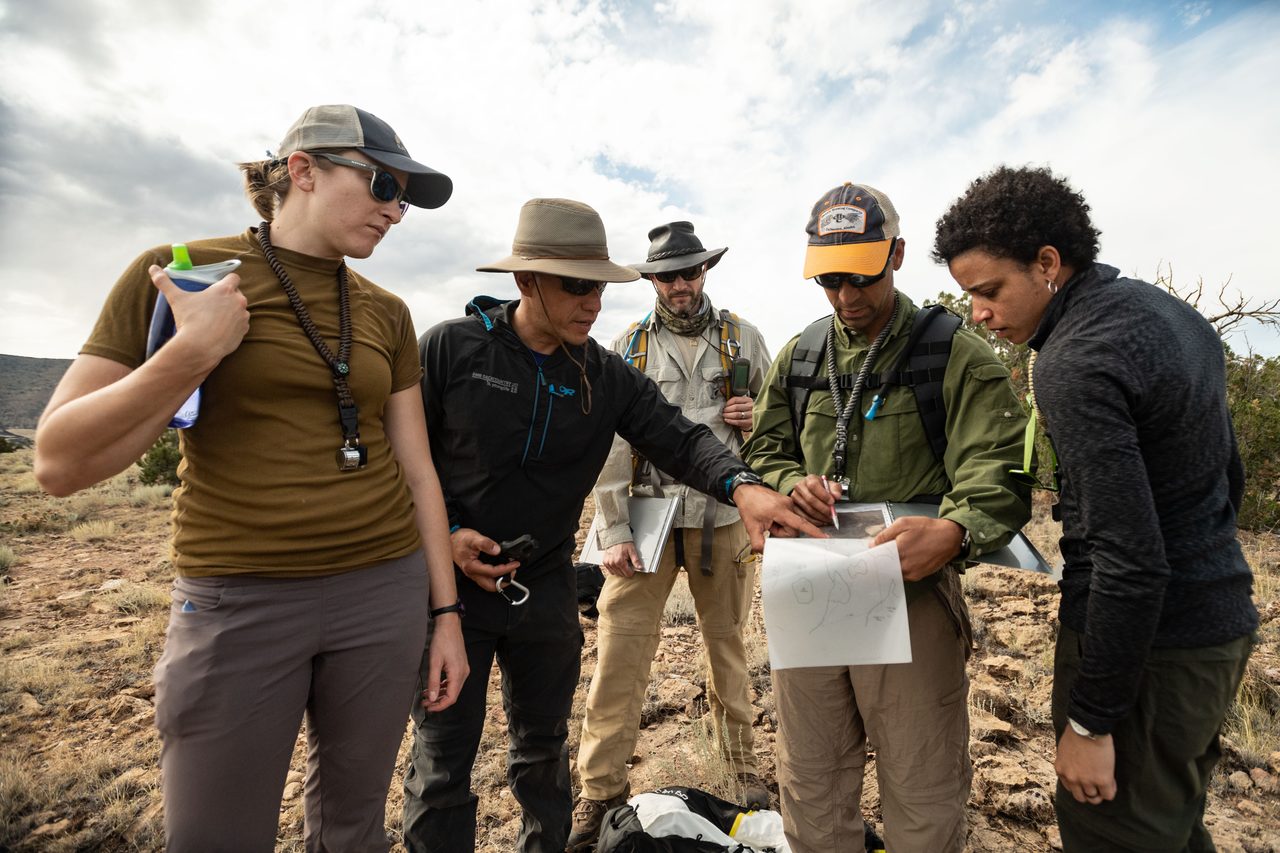
Space tourists undergo rigorous training to prepare for the physical and psychological demands of space travel. This includes familiarisation with spacecraft systems, emergency protocols, and physical conditioning. Training can last several weeks, depending on the mission profile and the individual's prior experience. The Crew Dragon training programme is particularly comprehensive.
The Future of Space Tourism
The future of space tourism looks promising, with increasing interest and investment driving down costs. As technology advances, we may see more affordable and diverse options for space travel, expanding access to a broader audience. Orbital Radar's space tourism hub tracks these developments in real-time.
Key Takeaways
Space tourism is a rapidly growing industry with costs ranging from $250,000 for suborbital flights to $55 million for trips to the ISS. Key players like SpaceX and Blue Origin are leading the charge, offering unique experiences for those who can afford them. As technology progresses, the cost of space travel is expected to decrease, potentially making it accessible to a wider audience.
Frequently Asked Questions
How much does it cost to go to space with SpaceX?
What is the cheapest space tourism option?
How long do space tourists stay in space?
What training do space tourists need?
Is space tourism safe?
📎 Cite this article
Orbital Radar Newsroom. (2026). Space Tourism Costs: Who Can Afford the Final Frontier?. Orbital Radar. https://orbitalradar.com/blog/space-tourism-complete-guide"Space Tourism Costs: Who Can Afford the Final Frontier?." Orbital Radar, 9 June 2026, https://orbitalradar.com/blog/space-tourism-complete-guide.@misc{orbitalradar_space_tourism_complete_guide,
title = {Space Tourism Costs: Who Can Afford the Final Frontier?},
author = {{Orbital Radar}},
year = {2026},
howpublished = {\url{https://orbitalradar.com/blog/space-tourism-complete-guide}}
}