Starlink: The Mega-Constellation Reshaping Orbit
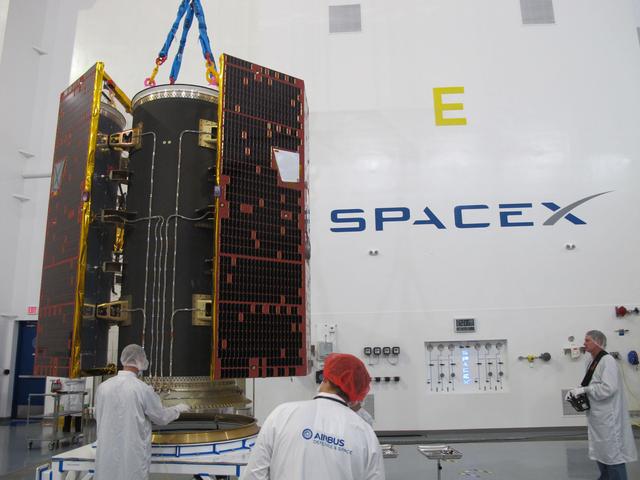
Starlink is a satellite internet constellation developed by SpaceX, aimed at providing high-speed broadband internet to underserved and remote areas globally. As of now, SpaceX has launched 10,698 Starlink satellites, with 9,421 currently operational.
What is Starlink?
Starlink is a satellite internet constellation developed by SpaceX, aimed at providing high-speed broadband internet to underserved and remote areas globally. As of now, SpaceX has launched 10,698 Starlink satellites, with 9,421 currently operational. The constellation is designed to deliver low-latency internet service by deploying satellites in low Earth orbit (LEO), typically at altitudes ranging from 340 km to 1,200 km. This ambitious project is part of SpaceX's broader vision to fund future Mars missions and beyond.
Mission and Purpose
The primary mission of Starlink is to bridge the digital divide by providing reliable and fast internet access worldwide, especially in areas where traditional internet infrastructure is lacking or non-existent. By utilising a network of small satellites, Starlink aims to offer speeds comparable to terrestrial broadband, with the added advantage of reaching remote and rural locations. This initiative not only supports global connectivity but also generates revenue for SpaceX's future space exploration endeavours.
Orbital Characteristics
Starlink satellites are deployed in low Earth orbit, with an inclination of approximately 53 degrees. Each satellite orbits the Earth in about 90 to 120 minutes, depending on its altitude. The constellation's design allows for continuous coverage and redundancy, ensuring that users have a consistent internet connection. The NORAD ID system tracks each satellite, with detailed information available in the Orbital Radar Satellite Library. The current configuration includes 9,421 operational satellites, 939 raising their orbits, and 338 in the process of deorbiting.
Significance and Legacy
Starlink represents a significant shift in how satellite internet services are delivered. By deploying a large number of satellites in LEO, SpaceX has reduced the latency typically associated with satellite internet, making it a viable option for applications that require real-time data transmission. The constellation's impact extends beyond internet service, as it has prompted discussions about space traffic management and the sustainability of orbital environments. Starlink's influence on the satellite industry is evident, with other companies exploring similar mega-constellation models.
Current Status
As of now, Starlink has 10,696 active satellites in orbit, with 6,996 of these being the newer V2 Mini models. The constellation is continuously evolving, with satellites being launched, deorbited, and repositioned to optimise coverage and performance. The Orbital Radar Starlink Tracker provides real-time updates on satellite positions and visible passes. Additionally, SpaceX is actively managing the constellation to minimise the risk of collisions, with 18 close approaches currently being monitored.
📎 Cite this article
Orbital Radar Newsroom. (2026). Starlink: The Mega-Constellation Reshaping Orbit. Orbital Radar. https://orbitalradar.com/blog/iridium-next-flash-free-replacement-constellation"Starlink: The Mega-Constellation Reshaping Orbit." Orbital Radar, 29 April 2026, https://orbitalradar.com/blog/iridium-next-flash-free-replacement-constellation.@misc{orbitalradar_iridium_next_flash_free_replacement_cons,
title = {Starlink: The Mega-Constellation Reshaping Orbit},
author = {{Orbital Radar}},
year = {2026},
howpublished = {\url{https://orbitalradar.com/blog/iridium-next-flash-free-replacement-constellation}}
}