Fengyun-1C Debris: Legacy of the 2007 ASAT Test
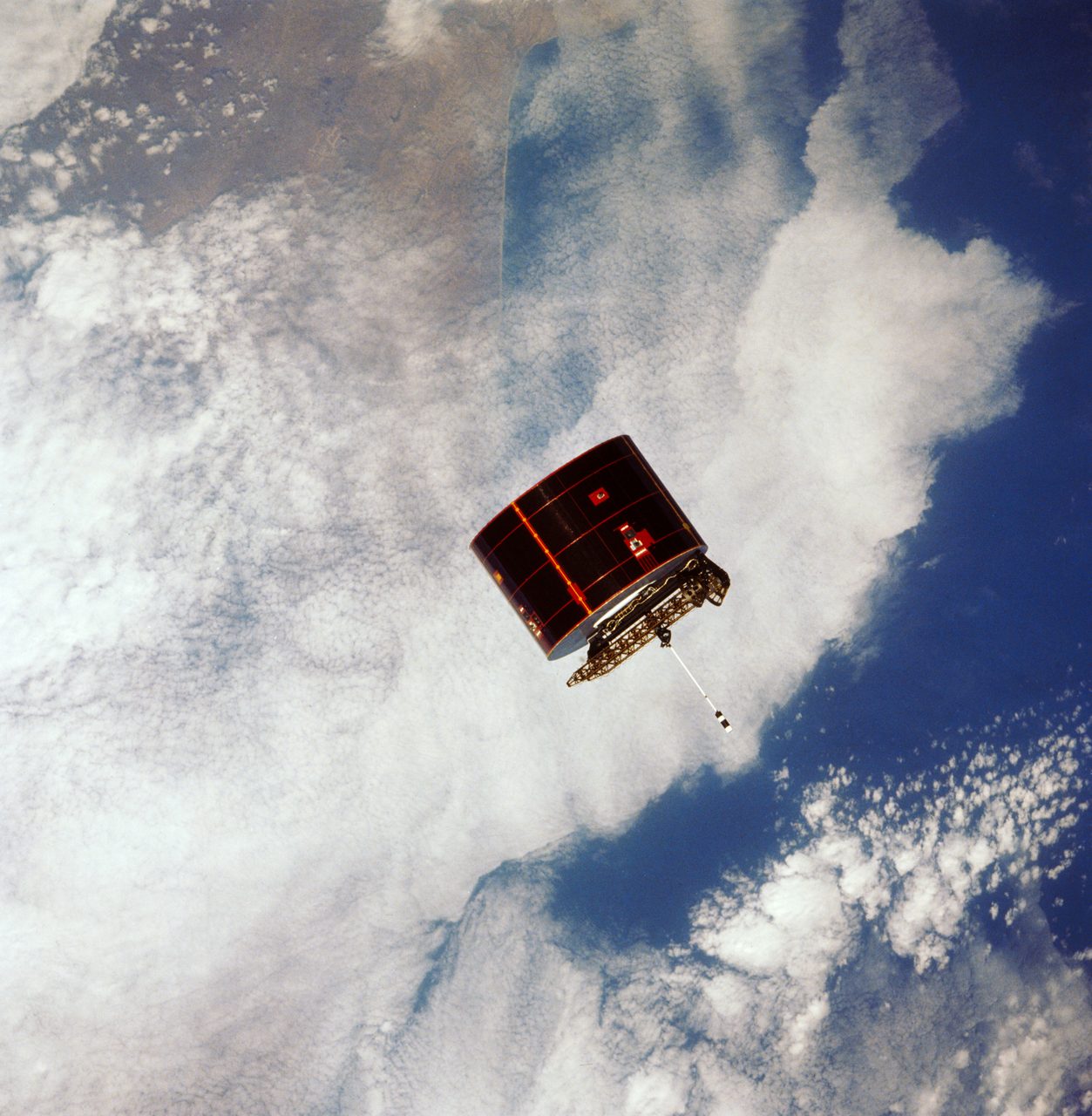
Fengyun-1C was a Chinese weather satellite launched on 10 May 1999. It was part of the Fengyun series, operated by the China Meteorological Administration, designed to monitor atmospheric conditions and provide data for weather forecasting.
| Active satellites | 18,110 |
| Catalogued objects | 29,409 |
| Starlink active | 9,839 |
What is Fengyun-1C?
Fengyun-1C was a Chinese weather satellite launched on 10 May 1999. It was part of the Fengyun series, operated by the China Meteorological Administration, designed to monitor atmospheric conditions and provide data for weather forecasting. The satellite was placed into a sun-synchronous orbit, which allowed it to pass over the same region of the Earth at the same local solar time each day, enhancing its ability to provide consistent weather data.
Mission and Purpose
The primary mission of Fengyun-1C was to collect meteorological data to support weather prediction and climate research. It carried instruments capable of capturing visible and infrared imagery of the Earth's surface and atmosphere. The satellite's data contributed to global weather models and provided valuable information for disaster management and environmental monitoring.
Orbital Characteristics
Fengyun-1C was placed into a polar sun-synchronous orbit with an altitude of approximately 865 kilometres and an inclination of 98.8 degrees. This orbit allowed it to cover the entire Earth as it rotated beneath the satellite's path. The satellite completed one orbit approximately every 102 minutes, providing frequent updates on atmospheric conditions.
Significance and Legacy
On 11 January 2007, Fengyun-1C became infamous when it was destroyed in an anti-satellite (ASAT) test conducted by China. The test involved a missile striking the satellite, creating over 3,000 pieces of debris. This event significantly increased the amount of space debris in low Earth orbit (LEO), posing long-term risks to other satellites and space missions. As of today, Orbital Radar's live catalogue tracks 8,832 pieces of debris from various sources, including the remnants of Fengyun-1C.
Current Status
The debris from the Fengyun-1C ASAT test continues to orbit the Earth, contributing to the growing challenge of space debris management. These fragments pose collision risks to operational satellites and the International Space Station (ISS). Orbital Radar's Debris Map provides real-time tracking of these objects, highlighting close approaches and potential collision threats. The legacy of Fengyun-1C underscores the importance of international cooperation in space situational awareness and debris mitigation efforts.
📎 Cite this article · data available
Orbital Radar Newsroom. (2026). Fengyun-1C Debris: Legacy of the 2007 ASAT Test. Orbital Radar. https://orbitalradar.com/blog/fengyun-1c-debris-legacy"Fengyun-1C Debris: Legacy of the 2007 ASAT Test." Orbital Radar, 15 September 2026, https://orbitalradar.com/blog/fengyun-1c-debris-legacy.@misc{orbitalradar_fengyun_1c_debris_legacy,
title = {Fengyun-1C Debris: Legacy of the 2007 ASAT Test},
author = {{Orbital Radar}},
year = {2026},
howpublished = {\url{https://orbitalradar.com/blog/fengyun-1c-debris-legacy}}
}