Understanding ISS Solar Transits: Viewing the Station Cross the Sun
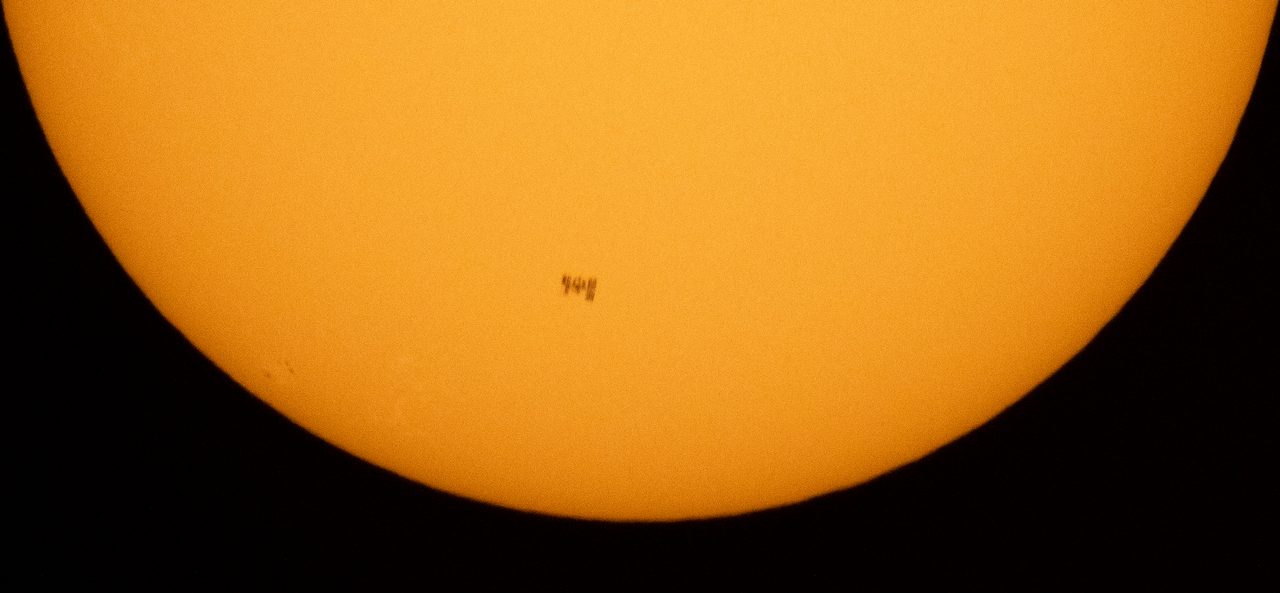
An ISS solar transit is when the International Space Station crosses the Sun's disc, visible from specific locations on Earth.
An ISS solar transit occurs when the International Space Station (ISS) passes directly in front of the Sun, as viewed from Earth. These events are brief, often lasting less than a second, and require precise timing and location to observe. The ISS, with a NORAD ID of 25544, orbits Earth approximately every 90 minutes at an altitude of about 420 kilometres.
How Does an ISS Solar Transit Occur?
The orbital path of the ISS brings it between the Earth and the Sun at specific times, creating a solar transit. The station travels at a speed of 28,000 km/h, making these transits fleeting. Observers must be positioned within a narrow path on Earth's surface to see the ISS silhouette against the Sun. Tools like the Orbital Radar transit predictor can help identify upcoming transits.
Why Are ISS Transits Significant?
ISS transits offer a unique opportunity for amateur astronomers and photographers to capture the silhouette of the station against the Sun. These events highlight the precision of orbital mechanics and the speed of the ISS. Observing a transit requires clear skies and proper solar filters to protect against eye damage.
Predicting ISS Solar Transits
Predicting an ISS solar transit involves calculating the station's orbit and the observer's location. Websites and apps, such as the Orbital Radar pass predictor, provide detailed predictions, including timing and visibility paths. These tools use real-time data from the ISS's orbital parameters to ensure accuracy.
ISS Solar Transit vs. Lunar Transit
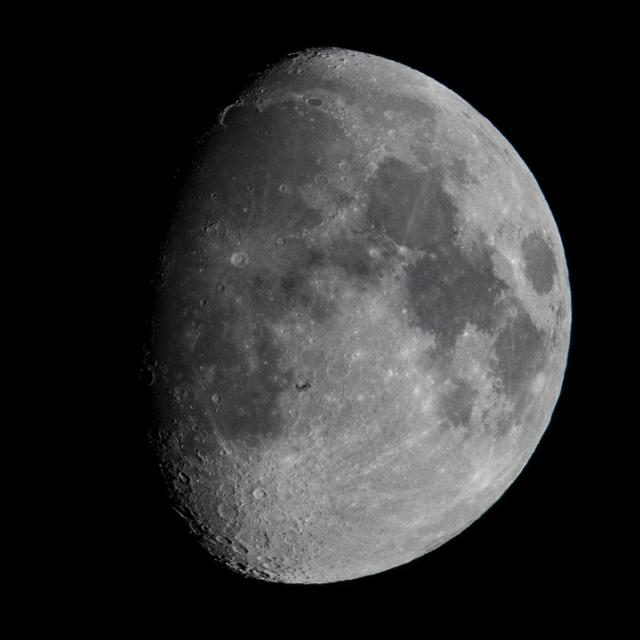
While solar transits involve the ISS crossing the Sun, lunar transits occur when the station passes in front of the Moon. Lunar transits are easier to observe due to the Moon's larger apparent size and lower brightness. Both events require precise timing and location, but lunar transits can be observed without special filters.
Capturing an ISS Solar Transit
Photographing an ISS solar transit requires a camera with a fast shutter speed and a solar filter. The transit's brief duration means timing is crucial. Many photographers use telescopes or telephoto lenses to capture detailed images of the ISS's silhouette. Planning is essential, as the transit path is narrow and weather conditions can affect visibility.
Key Takeaways
ISS solar transits are rare events that require precise timing and location to observe. They offer a unique perspective on the station's orbit and speed. Predictive tools like the Orbital Radar transit predictor are invaluable for planning observations. Proper equipment and safety measures are essential for viewing and photographing these events.
Frequently Asked Questions
What is an ISS solar transit?
How can I predict an ISS solar transit?
What equipment do I need to photograph an ISS solar transit?
How long does an ISS solar transit last?
Can I see an ISS solar transit without special equipment?
📎 Cite this article
Orbital Radar Newsroom. (2026). Understanding ISS Solar Transits: Viewing the Station Cross the Sun. Orbital Radar. https://orbitalradar.com/blog/iss-transit-explained"Understanding ISS Solar Transits: Viewing the Station Cross the Sun." Orbital Radar, 8 July 2026, https://orbitalradar.com/blog/iss-transit-explained.@misc{orbitalradar_iss_transit_explained,
title = {Understanding ISS Solar Transits: Viewing the Station Cross the Sun},
author = {{Orbital Radar}},
year = {2026},
howpublished = {\url{https://orbitalradar.com/blog/iss-transit-explained}}
}