Mastering ISS Transit Predictions: A Comprehensive Guide
Discover how to predict when the ISS will transit the Sun or Moon with Orbital Radar's tool, enhancing your stargazing experience.
Predicting when the International Space Station (ISS) will transit the Sun or Moon is a captivating challenge for astronomy enthusiasts. Orbital Radar's Transit Predictions tool offers precise data to help you capture these fleeting celestial events. By utilising this tool, you can determine the exact time and location to witness the ISS crossing these celestial bodies, enhancing both your observational skills and photographic opportunities.
Understanding ISS Transit Predictions
The Transit Predictions tool calculates when the ISS will pass in front of the Sun or Moon from a specific location on Earth. This involves complex orbital mechanics, taking into account the ISS's altitude, speed, and trajectory. The tool provides data such as the exact time of transit, the duration, and the path across the celestial body. This information is crucial for photographers and observers aiming to capture these rare events.
How to Use the Transit Predictions Tool
To use the Transit Predictions tool, users must input their geographic coordinates, which can be easily found using GPS or online maps. The tool then calculates upcoming transit opportunities, providing details on timing and visibility. Users can refine their search by specifying a date range or adjusting for local weather conditions. For more general satellite tracking, the Satellite Pass Predictions page offers broader visibility windows.
The Science Behind the Data
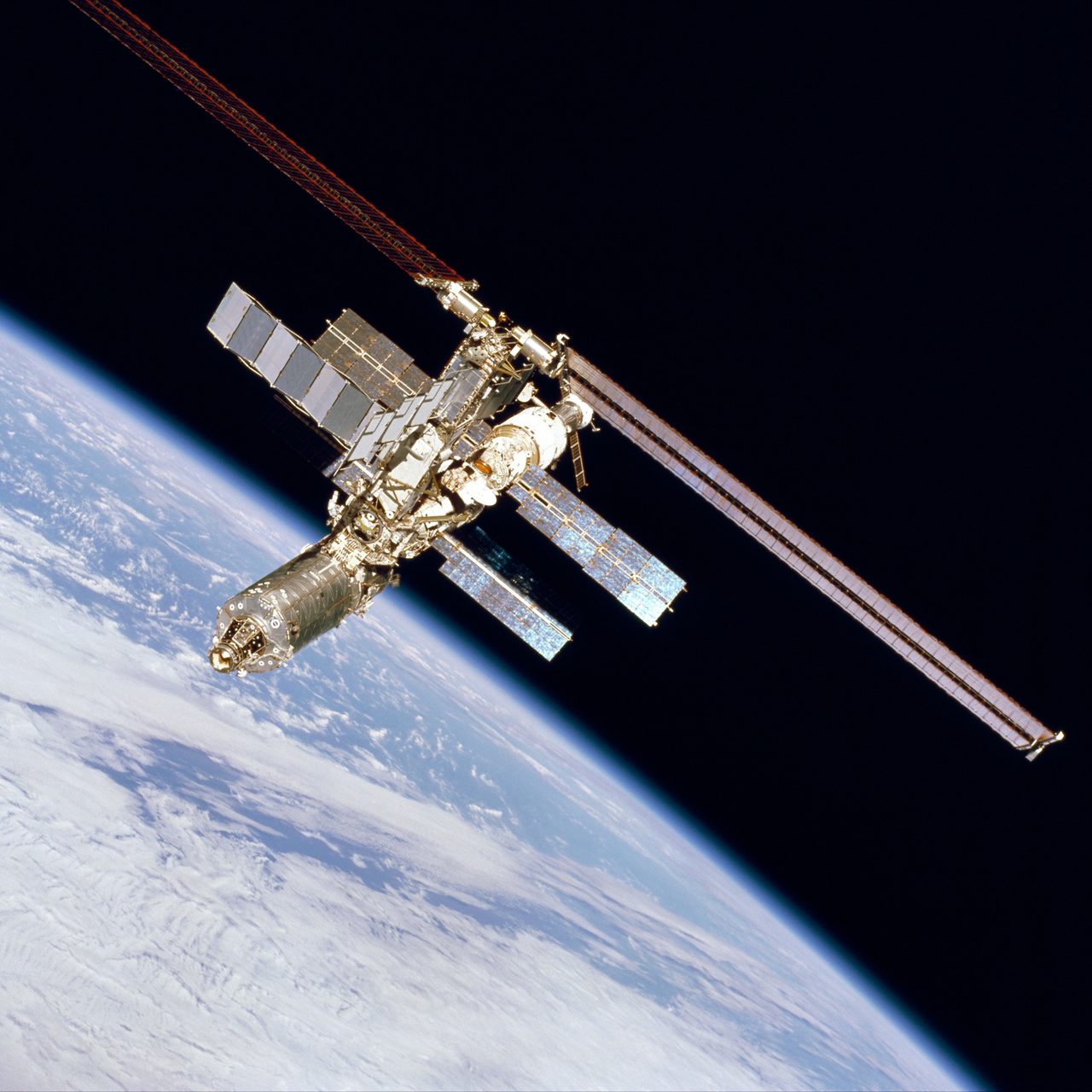
The ISS orbits Earth approximately every 90 minutes at an altitude of around 420 kilometres. Its rapid pace and low orbit make transits brief, often lasting less than a second. Orbital Radar utilises NORAD (North American Aerospace Defense Command) data to ensure accuracy in its predictions. The tool also considers Earth's rotation and the apparent motion of the Sun and Moon to provide precise transit paths.
Enhancing Your Observational Experience
Capturing an ISS transit requires precise timing and equipment. A telescope or telephoto lens is essential for observing the transit in detail. Planning is crucial, as weather conditions can affect visibility. The How to See the ISS Tonight page offers additional tips for observing the ISS under various conditions, ensuring you are prepared for your transit viewing.
Key Takeaways
The Transit Predictions tool is an invaluable resource for enthusiasts keen on observing ISS transits. By providing detailed timing and location data, it enhances the ability to capture these fleeting events. Whether for photography or personal enjoyment, understanding and utilising this tool can significantly enrich your astronomical pursuits. For those interested in broader satellite tracking, the Satellite Pass Predictions tool is also available.
Frequently Asked Questions
What is an ISS transit?
How can I predict ISS transits?
What equipment do I need to observe an ISS transit?
How accurate are ISS transit predictions?
Where can I find more information on satellite tracking?
📎 Cite this article
Orbital Radar Newsroom. (2026). Mastering ISS Transit Predictions: A Comprehensive Guide. Orbital Radar. https://orbitalradar.com/blog/iss-transit-predictions-guide"Mastering ISS Transit Predictions: A Comprehensive Guide." Orbital Radar, 5 July 2026, https://orbitalradar.com/blog/iss-transit-predictions-guide.@misc{orbitalradar_iss_transit_predictions_guide,
title = {Mastering ISS Transit Predictions: A Comprehensive Guide},
author = {{Orbital Radar}},
year = {2026},
howpublished = {\url{https://orbitalradar.com/blog/iss-transit-predictions-guide}}
}