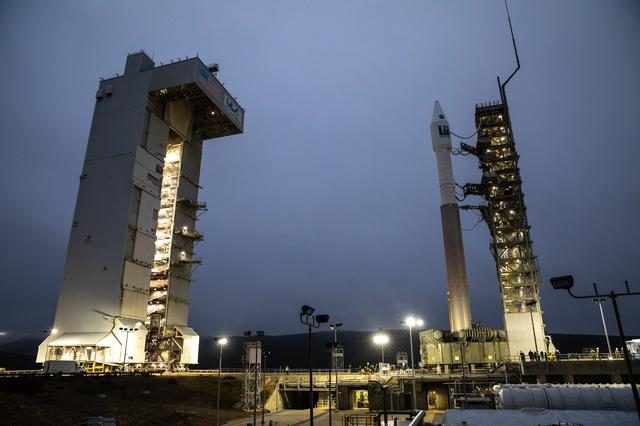
The James Webb Space Telescope: Comprehensive Guide and Insights
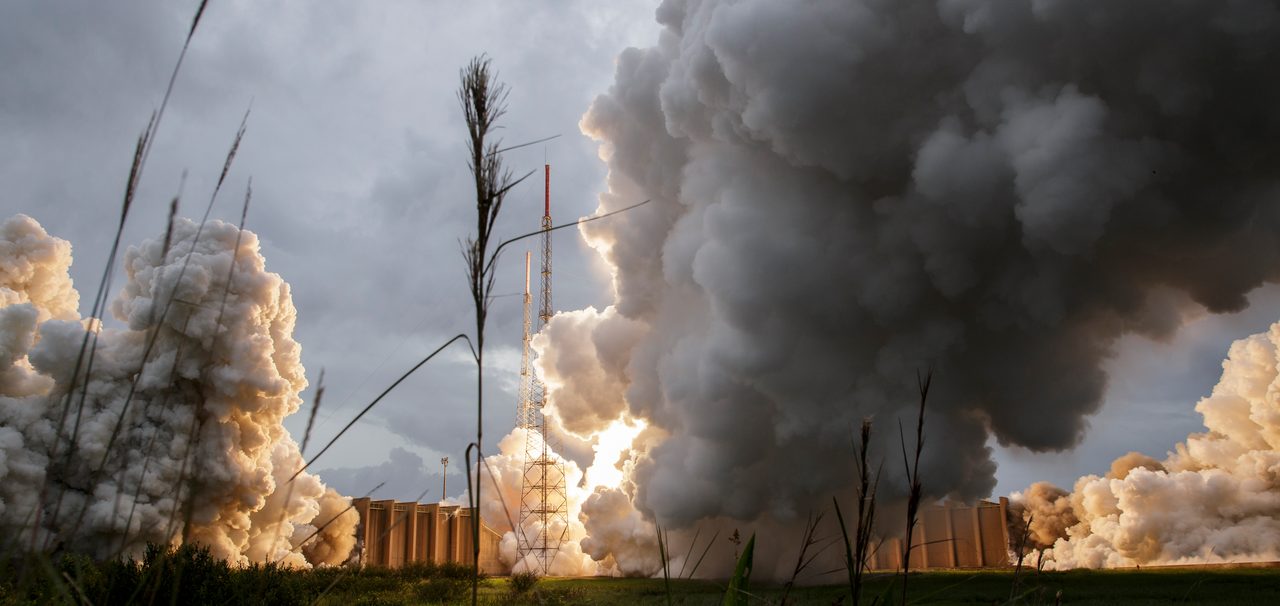
The James Webb Space Telescope is a revolutionary observatory designed to explore the universe's earliest galaxies and stars.
The James Webb Space Telescope (JWST) is a pioneering space observatory developed by NASA, with significant contributions from the European Space Agency (ESA) and the Canadian Space Agency (CSA). Launched on December 25, 2021, aboard an Ariane 5 rocket, the telescope is designed to succeed the Hubble Space Telescope as NASA's flagship astrophysics mission. Positioned at the second Lagrange point (L2), approximately 1.5 million kilometres from Earth, JWST aims to observe the universe's earliest galaxies, stars, and planetary systems.
How Does the James Webb Space Telescope Work?
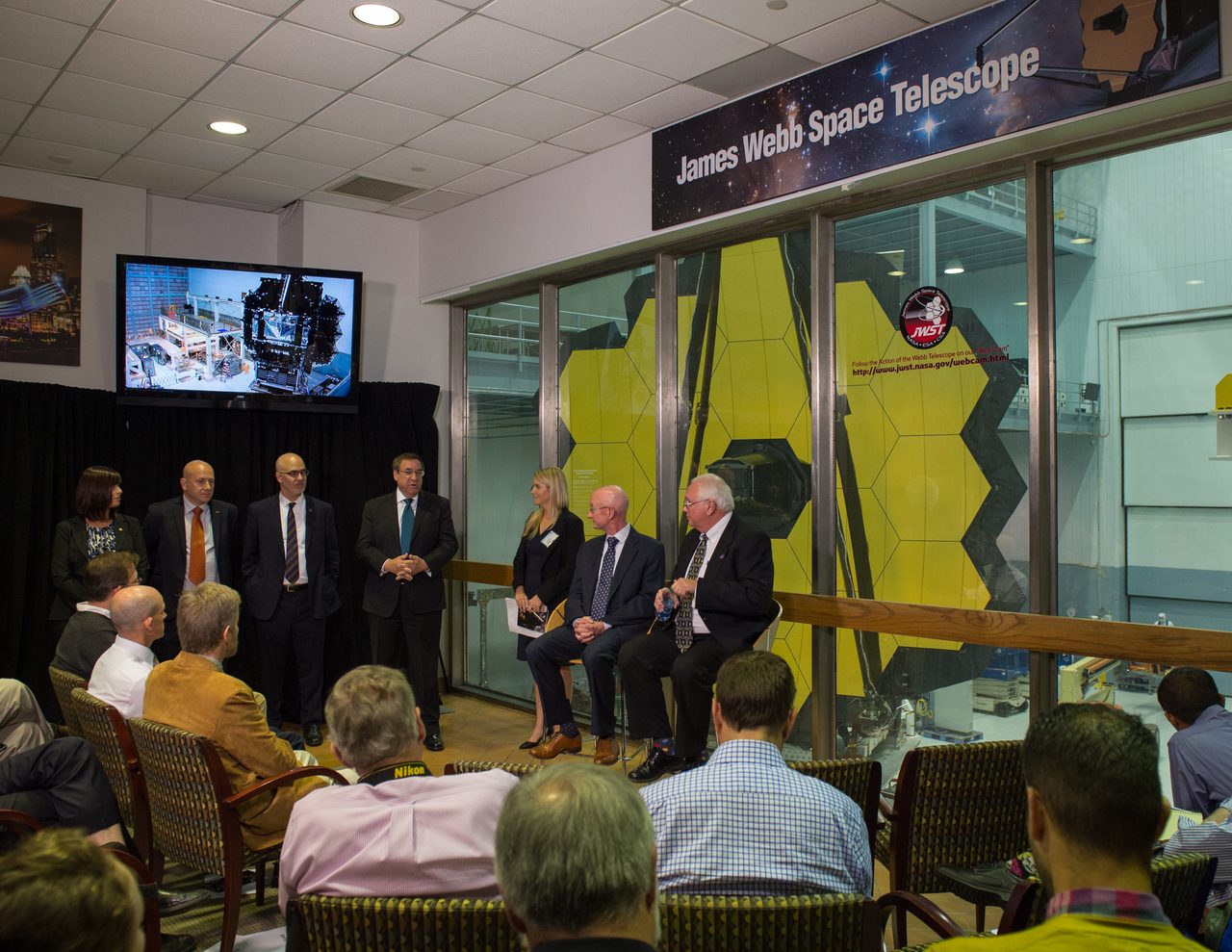
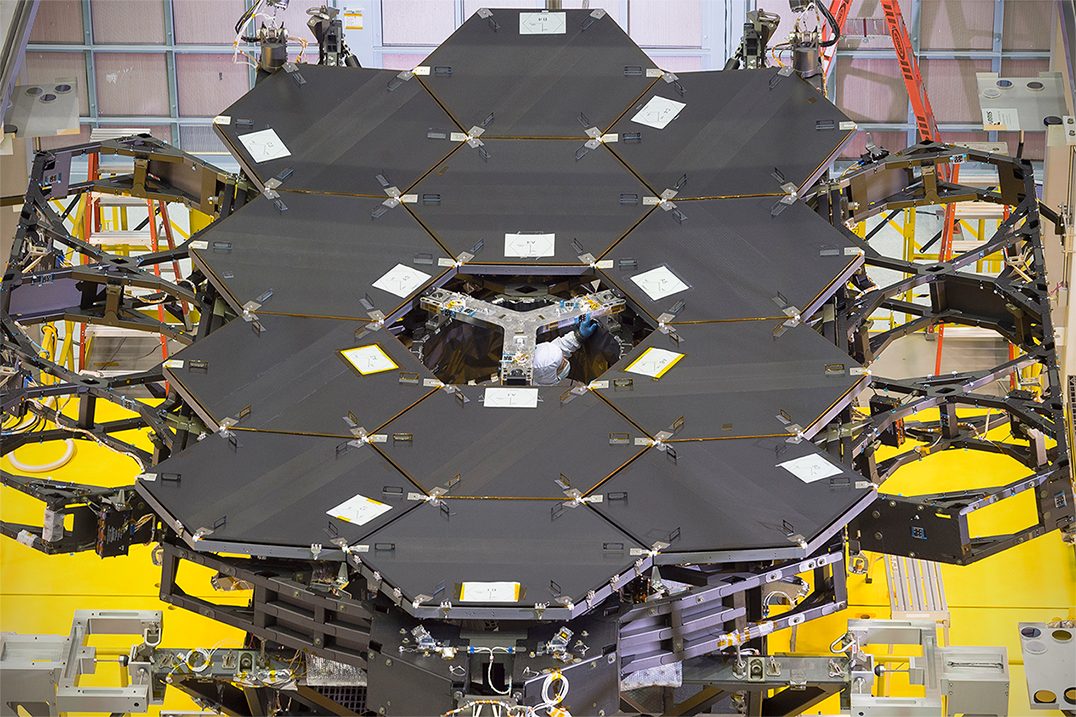
The JWST operates primarily in the infrared spectrum, allowing it to peer through cosmic dust clouds and observe objects too faint for visible light telescopes. Its primary mirror, a 6.5-metre segmented beryllium structure, is the largest ever deployed in space. The telescope's sunshield, the size of a tennis court, protects its instruments from the Sun's heat and light, maintaining a stable operating temperature of around 40 Kelvin. This design enables JWST to capture unprecedented detail and clarity in its observations.
Why is the James Webb Space Telescope Important?
JWST's capabilities are expected to revolutionise our understanding of the universe. By observing the light from the first stars and galaxies formed after the Big Bang, it will provide insights into the universe's early stages. Additionally, JWST will study the atmospheres of exoplanets, searching for signs of habitability or life. Its potential to answer fundamental questions about the formation of stars and galaxies makes it a crucial tool for astronomers worldwide.
James Webb vs Hubble: What are the Differences?
While both the Hubble Space Telescope and JWST are designed to study the universe, they operate in different wavelengths. Hubble observes primarily in the visible and ultraviolet spectra, while JWST focuses on the infrared. This difference allows JWST to see through cosmic dust and observe the universe's earliest objects. Additionally, JWST's larger mirror provides a greater light-collecting area, enhancing its ability to capture faint signals from distant galaxies.
The Journey and Deployment of JWST

After its launch, JWST underwent a complex deployment sequence, including the unfolding of its mirror and sunshield. This process took approximately two weeks and involved hundreds of individual steps. The telescope's journey to its operational orbit at L2 took about a month, followed by a six-month commissioning phase to calibrate its instruments. JWST's deployment and journey can be tracked in real-time on the JWST Tracker.
Key Takeaways
The James Webb Space Telescope is set to transform our understanding of the cosmos with its advanced infrared capabilities. Its mission to explore the universe's earliest structures and study exoplanetary atmospheres positions it as a pivotal tool in modern astronomy. For ongoing updates and visual data, the James Webb Satellite Page offers comprehensive resources.
Frequently Asked Questions
What is the James Webb Space Telescope designed to do?
How far is the James Webb Space Telescope from Earth?
What makes the James Webb Space Telescope unique?
When was the James Webb Space Telescope launched?
How does the James Webb Space Telescope differ from Hubble?
📎 Cite this article
Orbital Radar Newsroom. (2026). The James Webb Space Telescope: Comprehensive Guide and Insights. Orbital Radar. https://orbitalradar.com/blog/james-webb-explainer"The James Webb Space Telescope: Comprehensive Guide and Insights." Orbital Radar, 17 June 2026, https://orbitalradar.com/blog/james-webb-explainer.@misc{orbitalradar_james_webb_explainer,
title = {The James Webb Space Telescope: Comprehensive Guide and Insights},
author = {{Orbital Radar}},
year = {2026},
howpublished = {\url{https://orbitalradar.com/blog/james-webb-explainer}}
}