The Artemis Program: NASA's Ambitious Return to the Moon
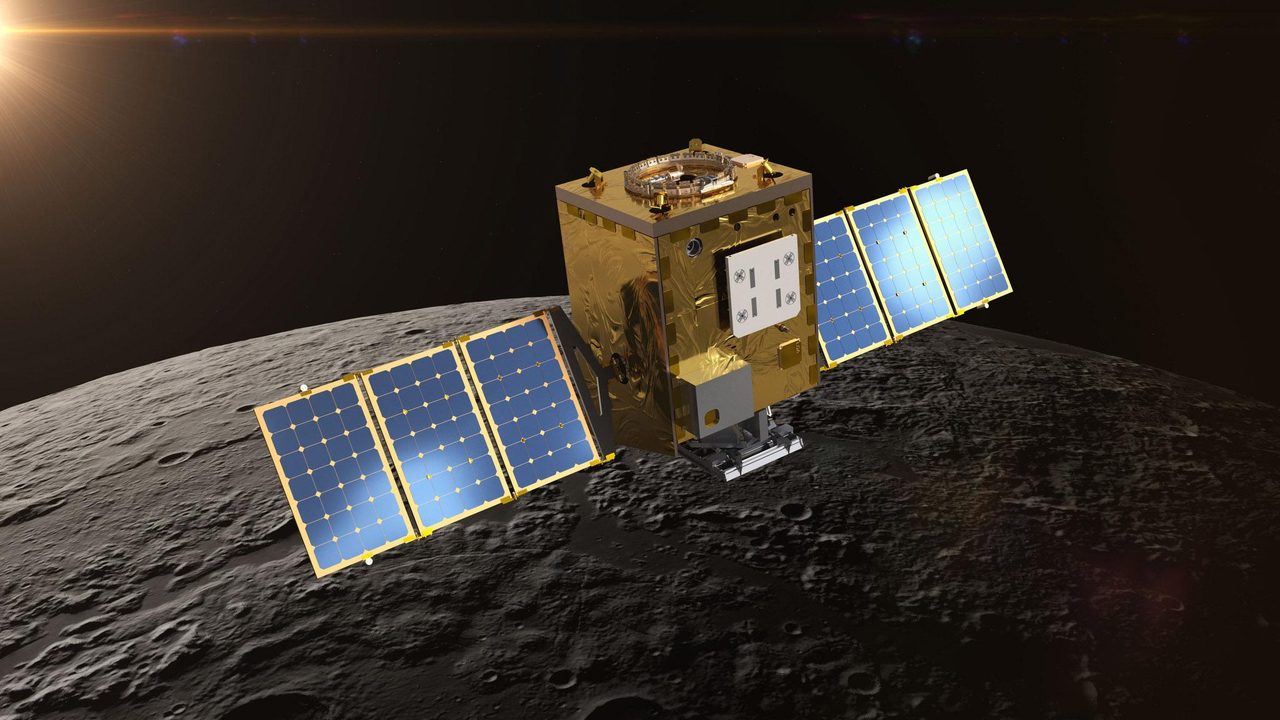
NASA's Artemis program aims to return humans to the Moon by 2024, establishing a sustainable presence for future exploration.
The Artemis program is NASA's initiative to return humans to the Moon, with the goal of landing the first woman and the next man on the lunar surface by 2024. Named after the Greek goddess of the Moon, Artemis represents a pivotal step in NASA's long-term strategy for lunar exploration and beyond. The programme aims to establish a sustainable human presence on the Moon by the end of the decade, paving the way for future missions to Mars.
What is the Artemis Program?
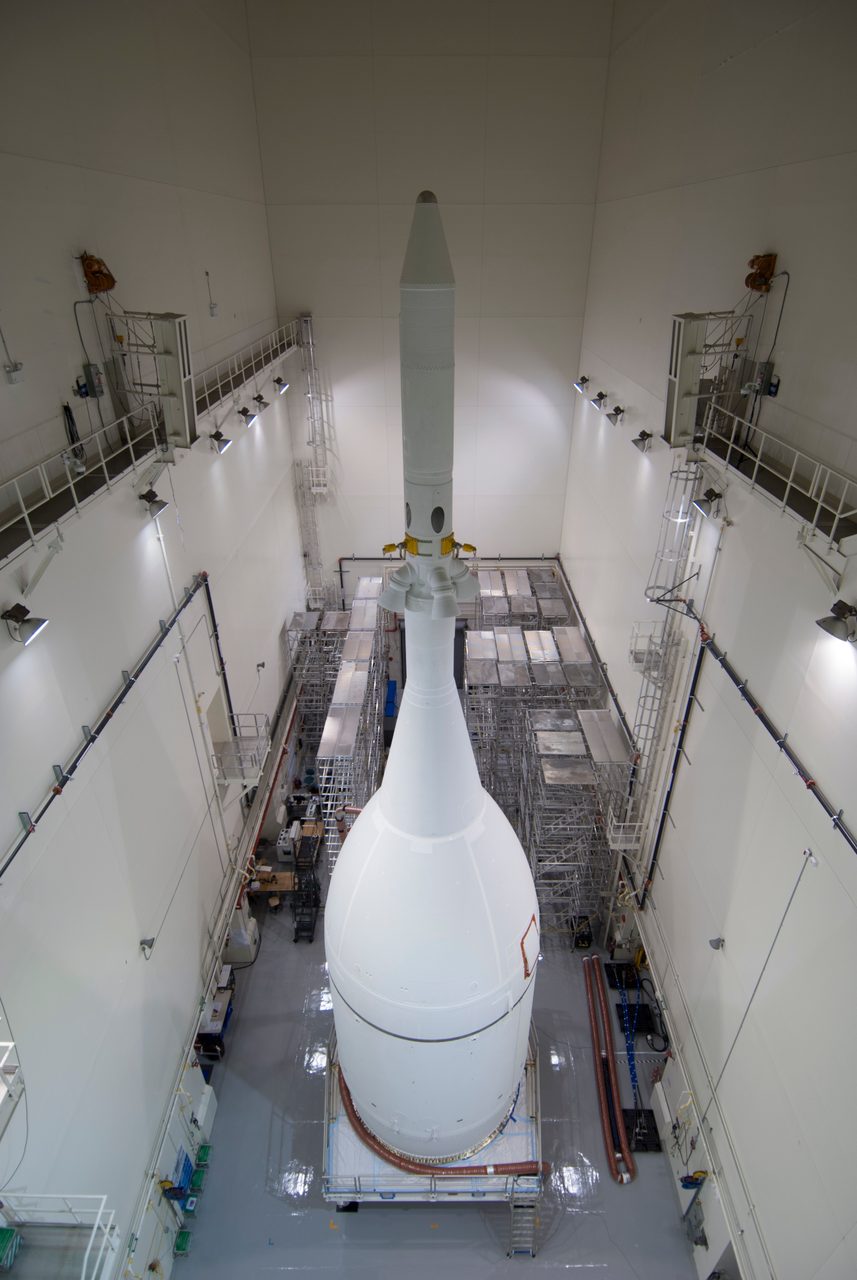
The Artemis program is a series of missions led by NASA, with international and commercial partners, designed to explore the Moon and establish a sustainable human presence. The programme is set to include multiple missions: Artemis I, an uncrewed test flight; Artemis II, a crewed mission that will orbit the Moon; and Artemis III, which will land astronauts on the lunar surface. The programme will utilise the Space Launch System (SLS), NASA's most powerful rocket, and the Orion spacecraft, designed for deep space missions.
How Does the Space Launch System Work?
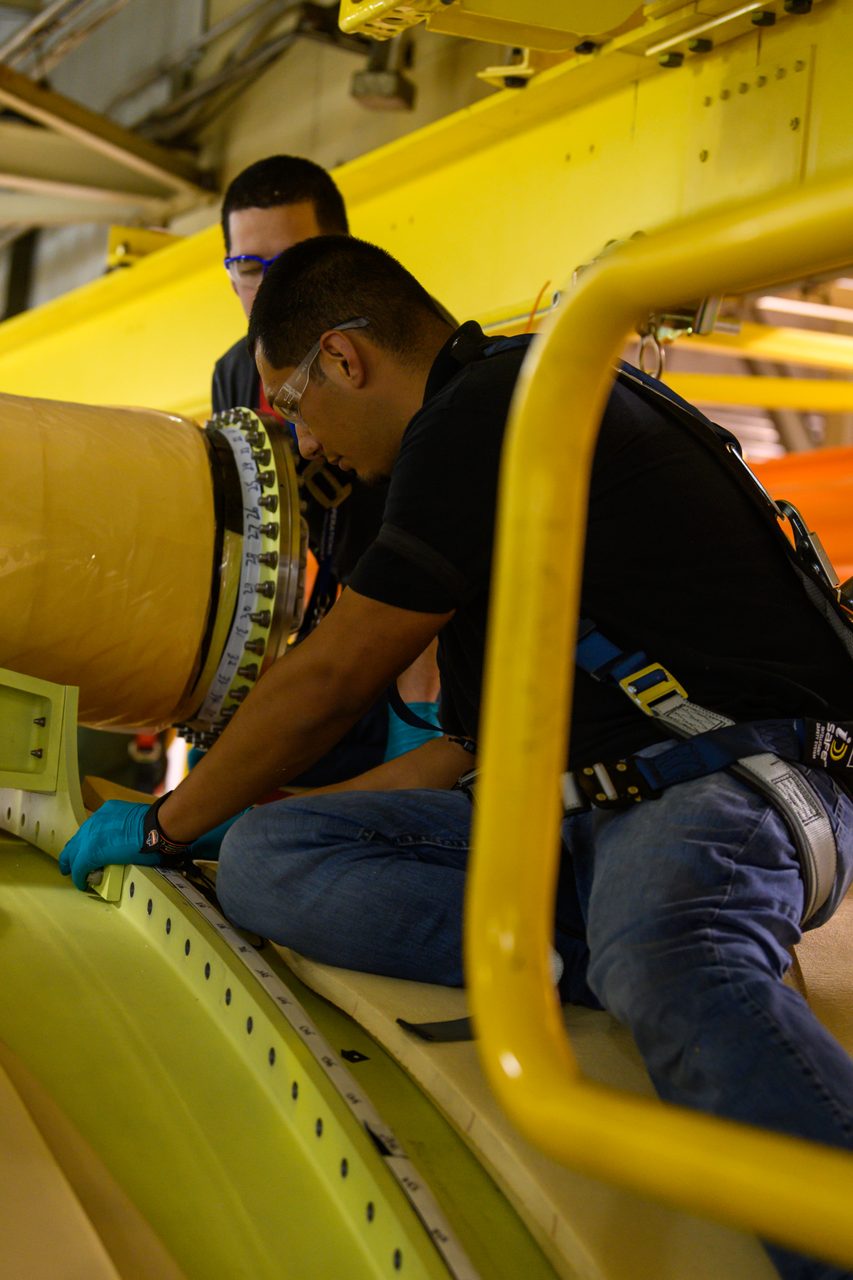
The Space Launch System (SLS) is NASA's next-generation heavy-lift rocket, designed to carry astronauts aboard the Orion spacecraft to the Moon and beyond. The SLS is a key component of the Artemis program, providing the necessary thrust to break free from Earth's gravity. The rocket's core stage is powered by four RS-25 engines, previously used in the Space Shuttle programme, and two solid rocket boosters. The SLS is capable of carrying payloads of up to 130 tonnes, making it the most powerful rocket ever built. Detailed specifications and launch schedules can be found on the Orbital Radar SLS page.
Why is Returning to the Moon Important?
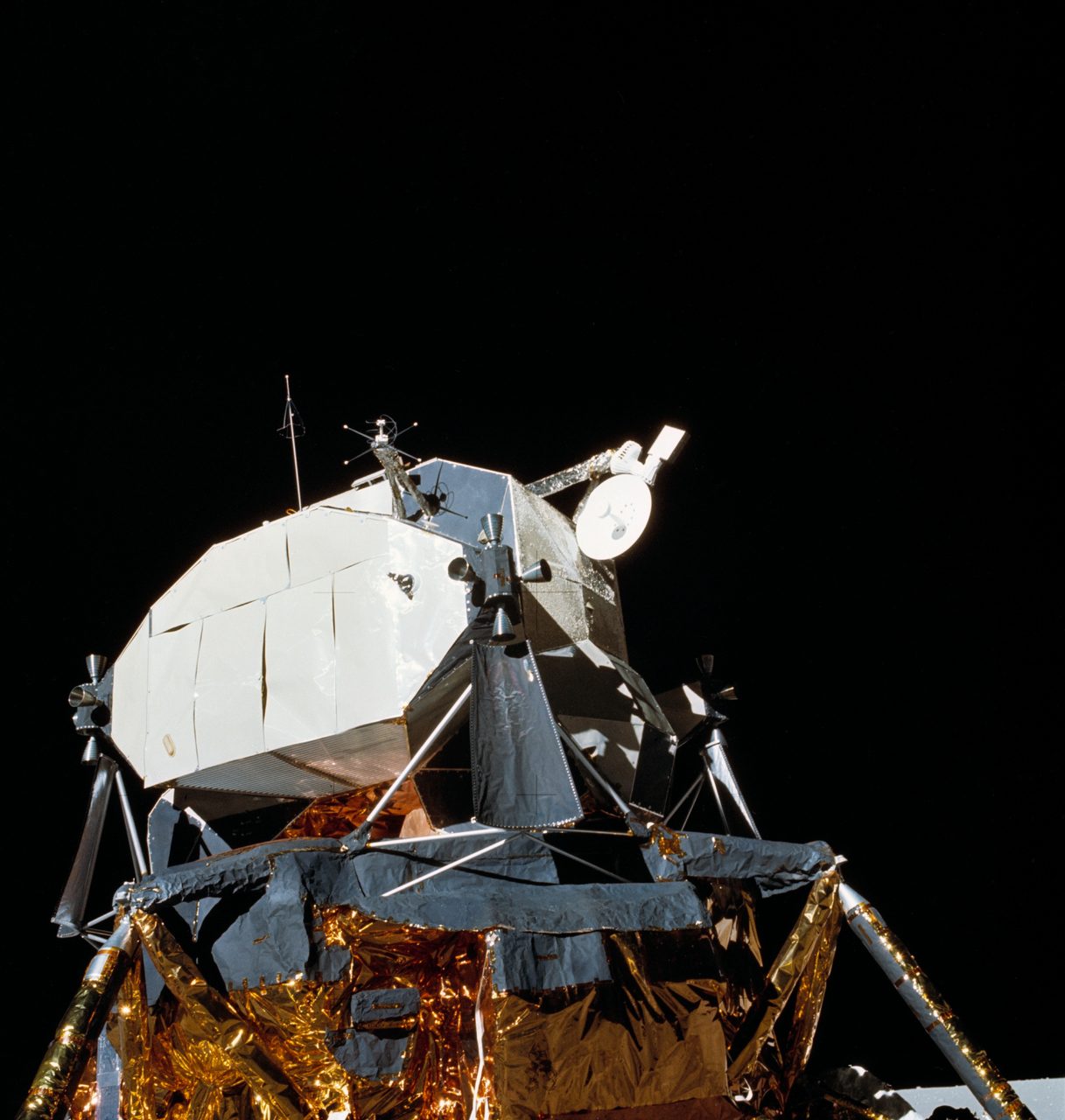
Returning to the Moon is crucial for several reasons. Firstly, it allows NASA to test new technologies and systems that will be essential for future missions to Mars and beyond. The Moon serves as a proving ground for deep space exploration, offering opportunities to study the effects of long-duration space travel on humans. Additionally, the Artemis program aims to establish a sustainable presence on the Moon, which could support scientific research and potentially the utilisation of lunar resources. This aligns with NASA's broader goals of advancing human exploration and fostering international collaboration.
Artemis vs Apollo: How Do They Compare?
While the Artemis program draws inspiration from the historic Apollo missions, there are significant differences between the two. The Apollo programme, which ran from 1961 to 1972, focused on short-term lunar visits with a total of six successful landings. In contrast, Artemis aims for sustainability, with plans to establish a long-term human presence on the Moon. Technological advancements since the Apollo era allow for more sophisticated exploration capabilities, including the use of modern spacecraft like Orion and advanced lunar landers. The Artemis program also emphasises international partnerships and commercial collaboration, broadening the scope and impact of lunar exploration.
The Role of International and Commercial Partners
International and commercial partnerships are integral to the success of the Artemis program. NASA has collaborated with space agencies such as ESA, JAXA, and CSA, contributing to various aspects of the missions, from technology development to astronaut training. Commercial partners, including SpaceX and Blue Origin, are also involved, providing innovative solutions for lunar landers and other mission components. These collaborations not only share the financial and technological burden but also foster global cooperation in space exploration. More details on NASA's partnerships can be found in the Orbital Radar Space Agencies directory.
Key Takeaways
The Artemis program represents a new era in lunar exploration, with the ambitious goal of returning humans to the Moon by 2024. Utilising the powerful Space Launch System and the Orion spacecraft, NASA aims to establish a sustainable presence on the lunar surface. The programme's emphasis on international and commercial partnerships highlights the collaborative nature of modern space exploration. As NASA prepares for future missions to Mars, the lessons learned from Artemis will be invaluable. For ongoing updates and mission details, visit the Orbital Radar Artemis page.
Frequently Asked Questions
When will the Artemis program land on the Moon?
What is the difference between Artemis I and Artemis II?
How is the Artemis program funded?
What role does the Orion spacecraft play in the Artemis program?
How can I track the progress of the Artemis program?
📎 Cite this article
Orbital Radar Newsroom. (2026). The Artemis Program: NASA's Ambitious Return to the Moon. Orbital Radar. https://orbitalradar.com/blog/artemis-program-guide"The Artemis Program: NASA's Ambitious Return to the Moon." Orbital Radar, 1 August 2026, https://orbitalradar.com/blog/artemis-program-guide.@misc{orbitalradar_artemis_program_guide,
title = {The Artemis Program: NASA's Ambitious Return to the Moon},
author = {{Orbital Radar}},
year = {2026},
howpublished = {\url{https://orbitalradar.com/blog/artemis-program-guide}}
}