Space Agencies List: Who Runs the World's Space Programmes?
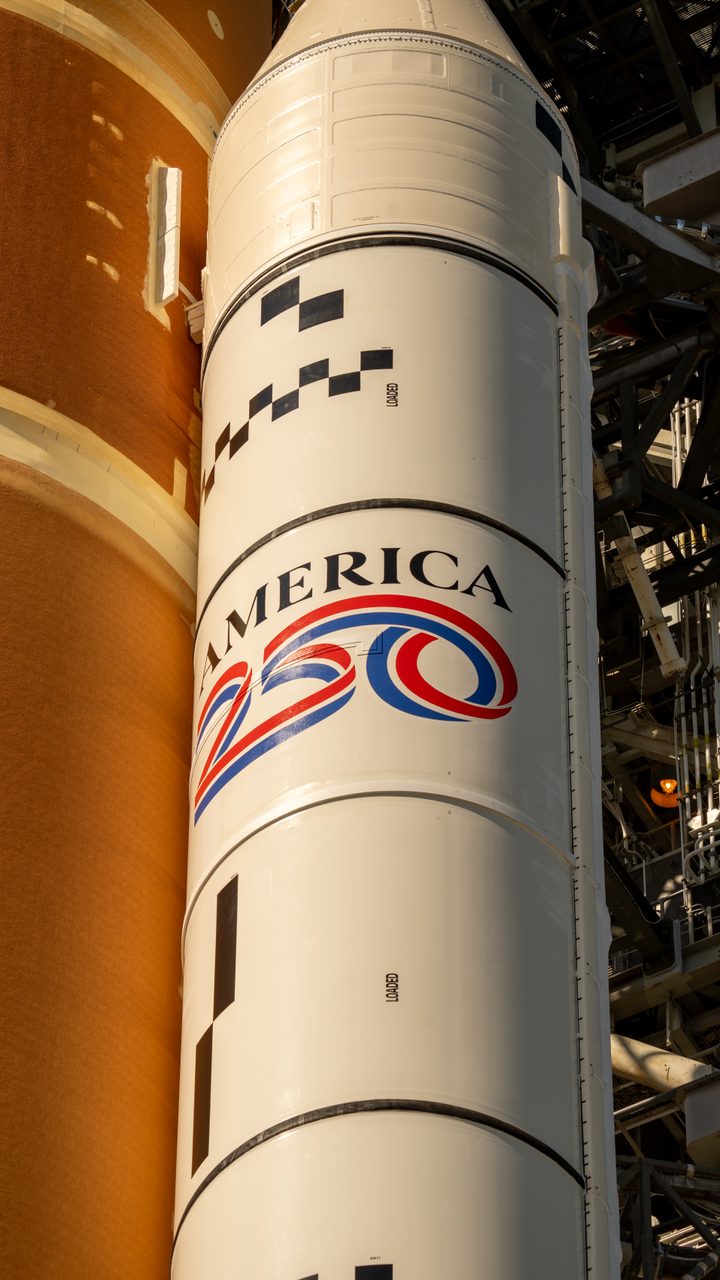
NASA, ESA and CNSA are part of a much wider network of space organisations. Explore who runs national programmes, how responsibilities differ and where private companies fit.
The world's space agencies include NASA in the United States, ESA in Europe, CNSA in China, Roscosmos in Russia, ISRO in India and JAXA in Japan. A wider space agencies list includes France's CNES, Germany's DLR, the Italian Space Agency, the Canadian Space Agency, the UK Space Agency, the UAE Space Agency and national organisations across Africa, Asia and Latin America.
No single organisation runs a global space programme: governments set national priorities, agencies implement different parts of them, and international partnerships connect selected missions. This article is a practical directory and comparison of responsibilities, not a prestige ranking; Orbital Radar's space agency profiles provide a starting point for exploring individual organisations.
Orbital Radar tracking data recorded 15,880 active satellites in orbit on 26 October 2026. Orbital Radar tracking data recorded 10 people in space on 26 October 2026. Those figures illustrate the scale of activity, but agency responsibilities differ: operating spacecraft, funding research and overseeing programmes are distinct roles.
What do space agencies do, and who controls them?
A space agency is a government or intergovernmental organisation responsible for some combination of space research, missions, technology, funding and policy. Its remit varies by country: it may build spacecraft, commission missions, distribute research grants or advise ministers without controlling every national space activity.
National agencies usually answer to a government through a ministry or another public authority; intergovernmental agencies answer to their member governments. Civilian agencies are distinct from defence organisations, launch regulators, satellite operators and research institutes, although their responsibilities can overlap.
Space programmes support weather forecasting, navigation, communications, environmental monitoring and scientific research. Delivering those services often involves several bodies: a meteorological service may operate weather satellites, a defence organisation may oversee navigation infrastructure, and universities may develop scientific instruments.
Orbital Radar tracking data records 15,880 active satellites in orbit as of 26 October 2026. That total includes spacecraft operated by commercial companies and other organisations, not just space agencies, so it is not a count of government missions.
Agency size, national launch capability and the number of satellites associated with a country measure different things. A country can fund substantial space research without launching rockets, while a large commercial satellite fleet does not necessarily imply a large civilian agency.
Orbital Radar’s space agencies directory provides profiles of these organisations. Comparing their responsibilities, rather than treating each as the sole manager of a national programme, helps explain who controls what.
What does NASA run in the United States?
NASA, the National Aeronautics and Space Administration, leads the United States’ civilian space programme and aeronautics research. Its remit spans aircraft technology, Earth science, planetary exploration and human spaceflight: it studies the atmosphere and climate, sends robotic spacecraft to other worlds and supports astronauts working beyond Earth.
Apollo’s lunar landings, the Hubble Space Telescope and Mars exploration are recognisable examples of NASA-led programmes, not evidence that the agency builds or operates everything alone. Hubble involves European cooperation, while Mars missions draw on instruments, research and engineering supplied by multiple institutions.
NASA centres provide scientific, engineering and operational expertise, with responsibilities divided across facilities. Universities develop instruments and analyse observations; contractors manufacture spacecraft and hardware or supply services such as launches and crew transport. NASA can lead a mission, set requirements and fund the work without manufacturing every component or owning the vehicle providing the service.
NASA does not control all American space activity. Military space operations sit principally with the US Space Force and other defence bodies; commercial communications networks belong to their operators, while the Federal Aviation Administration licenses commercial launches and re-entries. Starlink had 10,008 operational satellites on 26 October 2026, according to Orbital Radar tracking data. Across all operators, Orbital Radar’s live catalogue recorded 15,880 active satellites on 26 October 2026.
Orbital Radar’s NASA agency profile explains the institution and its responsibilities. Changing launch dates and mission schedules are separate from this enduring division of roles.
How does ESA work alongside Europe's national agencies?
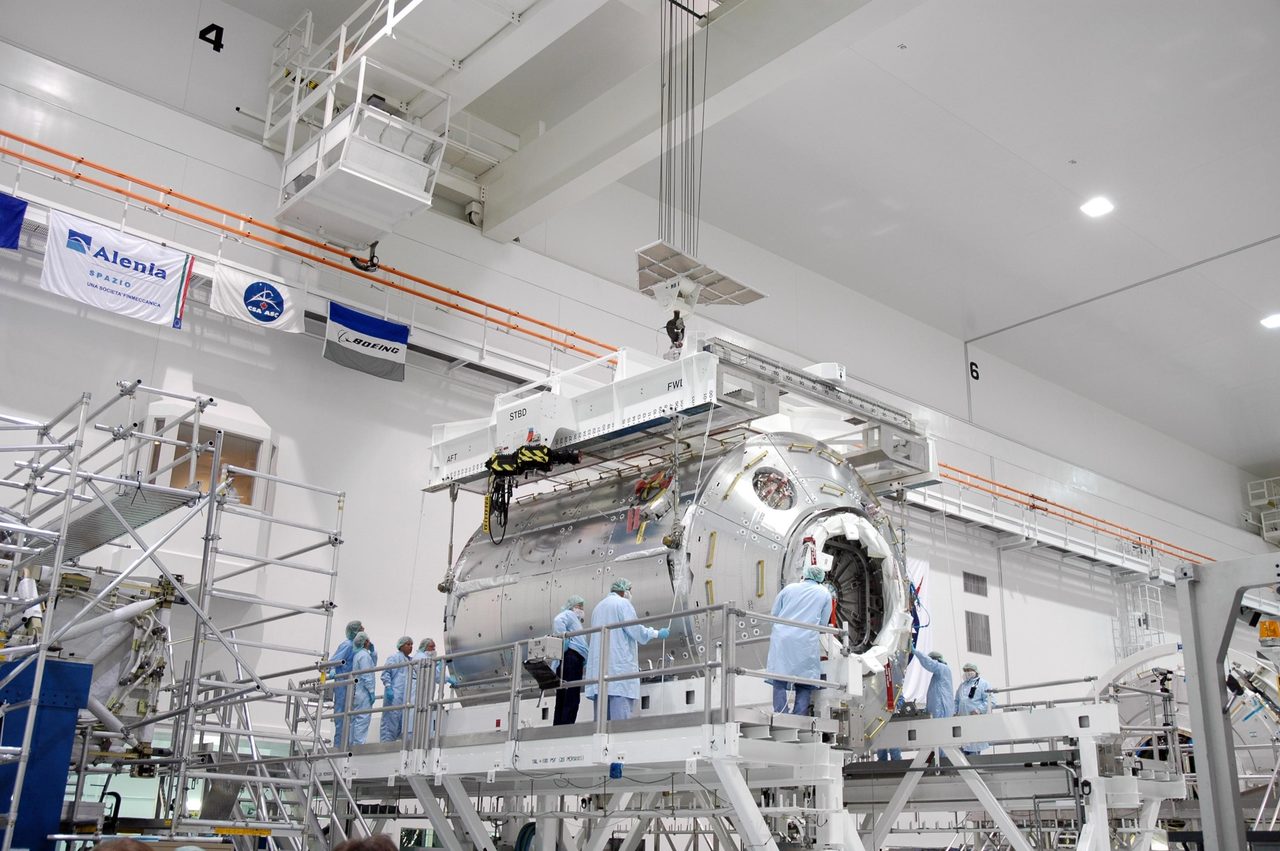
The European Space Agency (ESA) works alongside national agencies, not in place of them: it is an intergovernmental organisation through which member states pool funding, expertise and mission development. Countries retain national organisations to set domestic priorities, support research and industry, and manage their contributions to joint missions.
ESA and the European Union (EU) are separate institutions, with overlapping but different memberships and responsibilities. Norway and Switzerland, for example, belong to ESA but not the EU; ESA membership is not a consequence of EU membership.
France's CNES, the National Centre for Space Studies, develops national missions and contributes to European programmes. Germany's DLR combines aerospace research with space-agency functions, while the Italian Space Agency coordinates Italy's programme and international contributions. The UK Space Agency supports British space priorities and participation in ESA.
Cooperation spans Earth observation, space science and human spaceflight. National laboratories develop instruments for ESA science missions, while national funding and expertise support ESA astronauts and European hardware for the International Space Station. Globally, 10 people were in space on 26 October 2026, according to Orbital Radar tracking data.
For Galileo navigation and Copernicus Earth observation, the EU owns the programmes, while ESA supplies technical expertise and develops spacecraft and systems under agreed arrangements. ESA is therefore neither their sole operator nor their political owner. Orbital Radar tracking data recorded 15,880 active satellites worldwide on 26 October 2026; that global total is not an ESA fleet count.
Orbital Radar's ESA profile explains this institutional structure and how shared European programmes coexist with national agencies.
How are China's and Russia's space programmes organised?
China divides space responsibilities among civil administrators, a separate human-spaceflight agency and industrial organisations; Russia’s Roscosmos combines programme responsibilities with an industrial role. Neither arrangement maps neatly onto NASA, so a space agencies list needs to explain responsibilities rather than simply translate institutional names.
CNSA, the China National Space Administration, handles civil space administration and international cooperation, but does not manage all Chinese space activity. Its remit includes the Chang’e lunar exploration programme and Tianwen robotic planetary exploration programme. The China Manned Space Agency manages the crewed spaceflight programme, including the Tiangong space station.
Industrial organisations have distinct responsibilities: the China Aerospace Science and Technology Corporation and its subsidiaries develop and manufacture many Chinese launch vehicles and spacecraft. They are not interchangeable with CNSA or the China Manned Space Agency. Orbital Radar’s CNSA profile helps distinguish the administration’s remit from the wider Chinese space programme.
Roscosmos is Russia’s state space corporation, not simply a civil agency structured like NASA. It combines responsibility for national space programmes with oversight of industrial enterprises that develop and manufacture space hardware. Soyuz spacecraft provide crew transport, while uncrewed Progress spacecraft deliver cargo and propellant to the International Space Station.
The scale of orbital activity illustrates why institutional distinctions matter. Orbital Radar tracking data recorded 15,880 active satellites in orbit on 26 October 2026. Orbital Radar tracking data recorded 10 people in space on 26 October 2026. These worldwide totals span activities whose administration, operation and manufacture can fall to different organisations; an English-language label such as “space agency” does not reveal that division.
What do India's ISRO and Japan's JAXA specialise in?
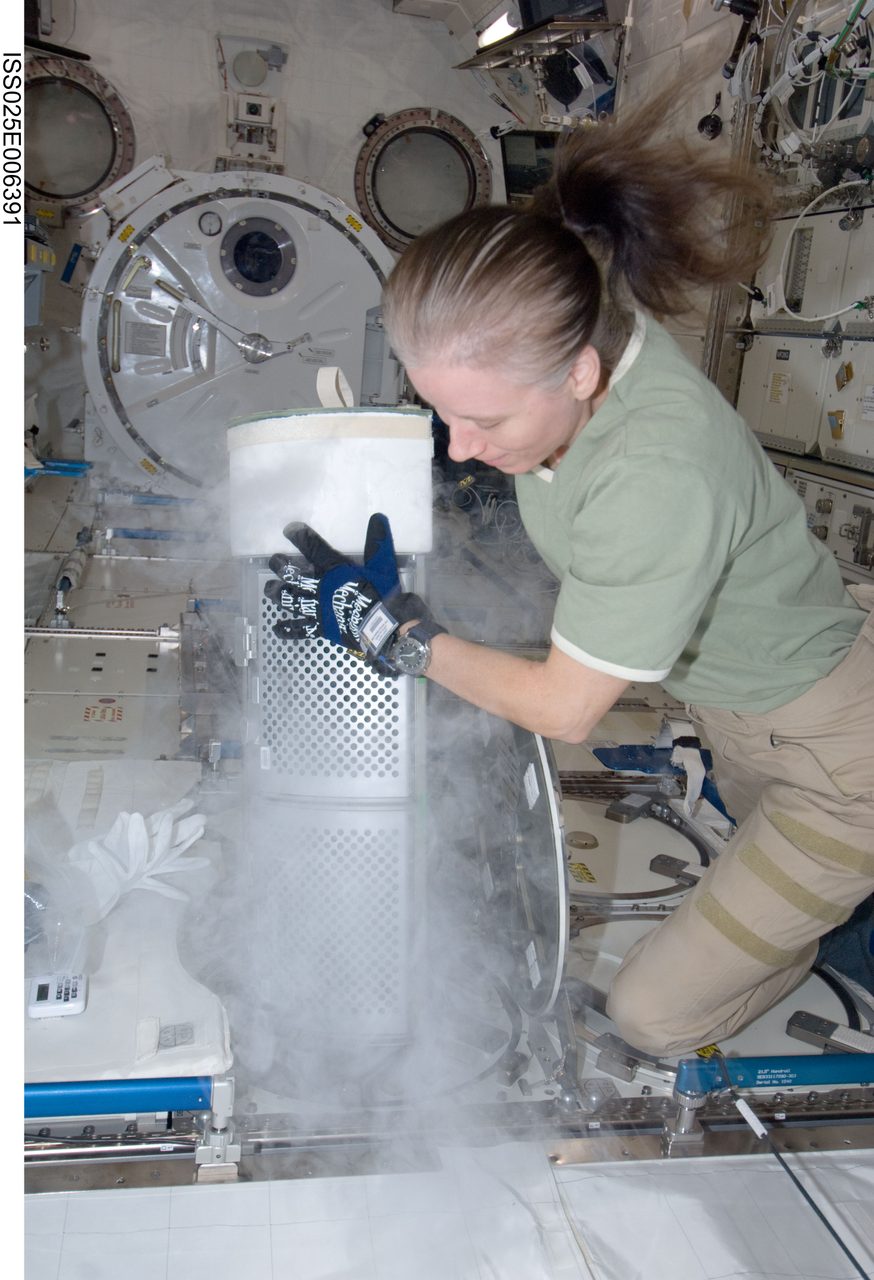
India's ISRO combines launch capability and practical satellite services with exploration, while Japan's JAXA spans space science, launch systems, Earth observation and aeronautics. Their differences concern institutional responsibilities and mission priorities, not a simple ranking of technological advancement.
ISRO, the Indian Space Research Organisation, sits within India's Department of Space. Its Polar Satellite Launch Vehicle and Launch Vehicle Mark-3 support access to orbit, alongside programmes in communications, weather monitoring, mapping and resource management.
Chandrayaan lunar missions and the Mars Orbiter Mission demonstrate ISRO's exploration capabilities, but describing it chiefly through low-cost planetary missions overlooks its domestic infrastructure role. Orbital Radar tracking data counted 15,880 active satellites in orbit on 26 October 2026, illustrating the wider operational environment in which national satellite programmes work.
JAXA, the Japan Aerospace Exploration Agency, combines spacecraft and rocket development with astronomy, planetary science, environmental monitoring and aeronautical research. Its Hayabusa asteroid sample-return missions brought extraterrestrial material to Earth for laboratory analysis, linking robotic exploration with scientific research.
Japan's Kibo laboratory on the International Space Station illustrates JAXA's contribution to shared research infrastructure and long-term international partnerships. Orbital Radar tracking data recorded 10 people in space on 26 October 2026; that figure covers human spaceflight globally, not Kibo's occupancy.
ISRO's remit strongly connects space infrastructure to India's national needs, while JAXA explicitly encompasses aeronautics alongside space activities. Orbital Radar's space agency profiles provide further institutional context for both programmes.
Which other countries have space agencies?
Canada, Australia, South Korea, the United Arab Emirates, Brazil, Argentina, Mexico, South Africa and Nigeria all have national space agencies; this is a selection, not an exhaustive directory. Orbital Radar tracking data records 15,880 active satellites in orbit as of 26 October 2026, a global fleet supporting communications, navigation, science and Earth observation.
Americas: Canada's Canadian Space Agency supports space robotics, science, Earth observation and astronaut participation. Brazil's Brazilian Space Agency coordinates national space policy and programme development, including satellites and industrial capabilities. Argentina's National Space Activities Commission, CONAE, develops space missions and Earth-observation applications for agriculture, emergencies and research. Mexico's Mexican Space Agency promotes space science, technology, skills and industrial development.
Asia and the Pacific: The Australian Space Agency coordinates civil space policy, industry development and international partnerships. South Korea's Korea AeroSpace Administration, KASA, leads national aerospace policy and programme coordination; the Korea Aerospace Research Institute, KARI, is a research and development institute, not another name for the administration.
Middle East: The UAE Space Agency develops national space policy, regulation and sector capabilities. It is distinct from Dubai's Mohammed Bin Rashid Space Centre, which develops and operates spacecraft and runs astronaut activities.
Africa: The South African National Space Agency, SANSA, provides Earth-observation, space-weather and space-operations capabilities alongside research. Nigeria's National Space Research and Development Agency, NASRDA, develops satellite capabilities, applications and research: African programmes provide operational services as well as pursuing exploration ambitions.
A country needs neither a domestic orbital launch vehicle nor an astronaut programme to maintain a substantive space agency. Orbital Radar's live catalogue contains 31,804 objects, including debris, as of 26 October 2026. The Orbital Radar space agencies directory provides profiles for exploring national responsibilities.
How do space agencies differ from private space companies?
Space agencies carry out public mandates and answer to governments; private space companies are commercially owned businesses that earn revenue from customers and contracts. SpaceX is a company, not a national space agency, even when it launches NASA astronauts or government payloads.
Orbital Radar tracking data records 10,008 active Starlink satellites as of 26 October 2026. Starlink is commercially operated by SpaceX: its constellation should not be counted as NASA's satellite fleet simply because NASA also buys services from the company.
The relationship is often contractual rather than a division between who funds and who flies. Through procurement—the purchase of goods and services—an agency can commission spacecraft hardware; through research grants, it can support scientific investigations or technology development. Service contracts can pay a company to transport crew or cargo, while the agency sets requirements and oversees delivery without necessarily owning or operating the vehicle.
An agency budget, national government space spending and commercial revenue measure different things. An agency budget covers that organisation's activities; national spending may also include military programmes and other departments; company revenue reflects sales, including government contracts. Adding these figures can double-count the same money.
Orbital Radar's space economy overview explains this public–private relationship. For spending comparisons, the government space budgets page provides context: comparisons must use the same financial year and scope, rather than rank an agency appropriation against a country's total expenditure or a company's sales.
How do space agencies cooperate without a global authority?
Space agencies cooperate through negotiated agreements, not a global chain of command. Partnerships are usually assembled mission by mission, specifying funding, hardware, operations, access to scientific results and responsibility when something goes wrong.
The International Space Station illustrates shared infrastructure rather than a single worldwide agency: its partners provide and operate different elements under agreed legal and operational arrangements. Orbital Radar’s space station page provides context for these orbital laboratories. Across all missions, 10 people were in space on 26 October 2026, according to Orbital Radar tracking data.
A partner need not supply a launch vehicle or astronauts to make a substantial contribution. Scientific instruments, ground stations, robotics, tracking support and research teams can all underpin a mission, with agreements defining how observations, facilities and operating time are shared.
The United Nations Office for Outer Space Affairs supports international cooperation, while the Committee on the Peaceful Uses of Outer Space provides a forum for discussion of space activities and legal principles. Neither commands national missions nor acts as a worldwide launch regulator. Orbital Radar tracking data recorded 15,880 active satellites in orbit on 26 October 2026, illustrating the scale of activity beyond any individual partnership.
Cooperation remains subject to national law, export controls restricting transfers of sensitive technology, security concerns and changing political relationships. These constraints can limit hardware exchanges, data access or participation, so a programme described as international is not necessarily open to every prospective partner.
How can you explore space agencies on Orbital Radar?
Start with Orbital Radar’s space agencies directory, find the organisation you want, and open its profile to identify the country or partnership it represents and its institutional remit. Establishing that responsibility first makes a space agencies list more useful than a simple collection of names.
For a practical comparison, open /space-agencies/nasa, /space-agencies/esa and /space-agencies/cnsa before comparing individual missions. NASA is a United States federal agency, ESA is an intergovernmental organisation representing a partnership of member states, and CNSA is China’s national space administration. Compare their responsibilities and organisational structures first: an agency’s administrative remit does not necessarily mean it builds or operates every spacecraft associated with its country.
Orbital Radar's live catalogue contains 31,804 objects, including debris, as of 26 October 2026. That catalogue total is not a count of agency-owned operational spacecraft: it includes discarded hardware as well as spacecraft, and catalogue inclusion does not establish ownership or operating status.
Use the space debris map to explore the orbital environment, and read the definitions at /what-is-space-debris to distinguish active spacecraft from discarded hardware, such as spent rocket bodies and fragments. Apply the same reading method each time: identify the public authority, distinguish the spacecraft operator from its manufacturer, then interpret any live figure according to what it actually counts.
Key takeaways
- There is no single global space programme: national governments, intergovernmental agencies and commercial operators have distinct responsibilities.
- NASA, ESA, CNSA, Roscosmos, ISRO and JAXA are major organisations, but a useful space agencies list also includes programmes across Africa, the Americas, Asia and Oceania.
- An agency's remit matters more than its label, because policy, research, manufacturing, launch operations and regulation may sit in different organisations.
- Orbital Radar's space agencies directory provides a starting point for comparing institutions, while its live catalogue describes the orbital environment rather than agency ownership.
Frequently Asked Questions
When was NASA founded, and what came before it?
Which countries have independently launched people into orbit?
Is the United States Space Force part of NASA?
Who led the UAE's Hope mission to Mars?
Can someone work for ESA without becoming an astronaut?
Cite this article
Pick a style, then copy it or download it for your reference manager.Orbital Radar. (2026, May 30). Space Agencies List: Who Runs the World's Space Programmes? Retrieved November 27, 2026, from https://orbitalradar.com/blog/world-space-agencies-guide
“Space Agencies List: Who Runs the World's Space Programmes?” Orbital Radar, 30 May 2026, orbitalradar.com/blog/world-space-agencies-guide. Accessed 27 Nov. 2026.
Orbital Radar (2026) Space Agencies List: Who Runs the World's Space Programmes? Available at: https://orbitalradar.com/blog/world-space-agencies-guide (Accessed: 27 November 2026).
Orbital Radar. “Space Agencies List: Who Runs the World's Space Programmes?” Last modified May 30, 2026. https://orbitalradar.com/blog/world-space-agencies-guide.
@misc{orbitalradar_blog_world_space_agencies_guide,
  author       = {{Orbital Radar}},
  title        = {Space Agencies List: Who Runs the World's Space Programmes?},
  year         = {2026},
  month        = may,
  howpublished = {\url{https://orbitalradar.com/blog/world-space-agencies-guide}},
  url          = {https://orbitalradar.com/blog/world-space-agencies-guide},
  urldate      = {2026-11-27},
  note         = {Accessed 2026-11-27}
}
TY - ELEC AU - Orbital Radar, TI - Space Agencies List: Who Runs the World's Space Programmes? PY - 2026 DA - 2026/05/30 PB - Orbital Radar UR - https://orbitalradar.com/blog/world-space-agencies-guide Y2 - 2026/11/27 LA - en ER -
Live figures change, so keep the date you accessed the page. How to cite Orbital Radar