Roman Telescope Prepares for Launch as Close Approaches Increase

The Nancy Grace Roman Space Telescope arrives in Florida for its upcoming launch, while satellite close approaches are closely monitored.
The Nancy Grace Roman Space Telescope has arrived in Florida, marking a significant milestone in its journey towards launch. This next-generation observatory is set to explore dark energy, exoplanets, and infrared astrophysics. Its arrival at the Kennedy Space Center signifies the commencement of final preparations for its scheduled launch later this year. The telescope, named after NASA's first Chief of Astronomy, aims to provide unprecedented insights into the universe's expansion and the formation of galaxies.
Satellite Close Approaches Intensify
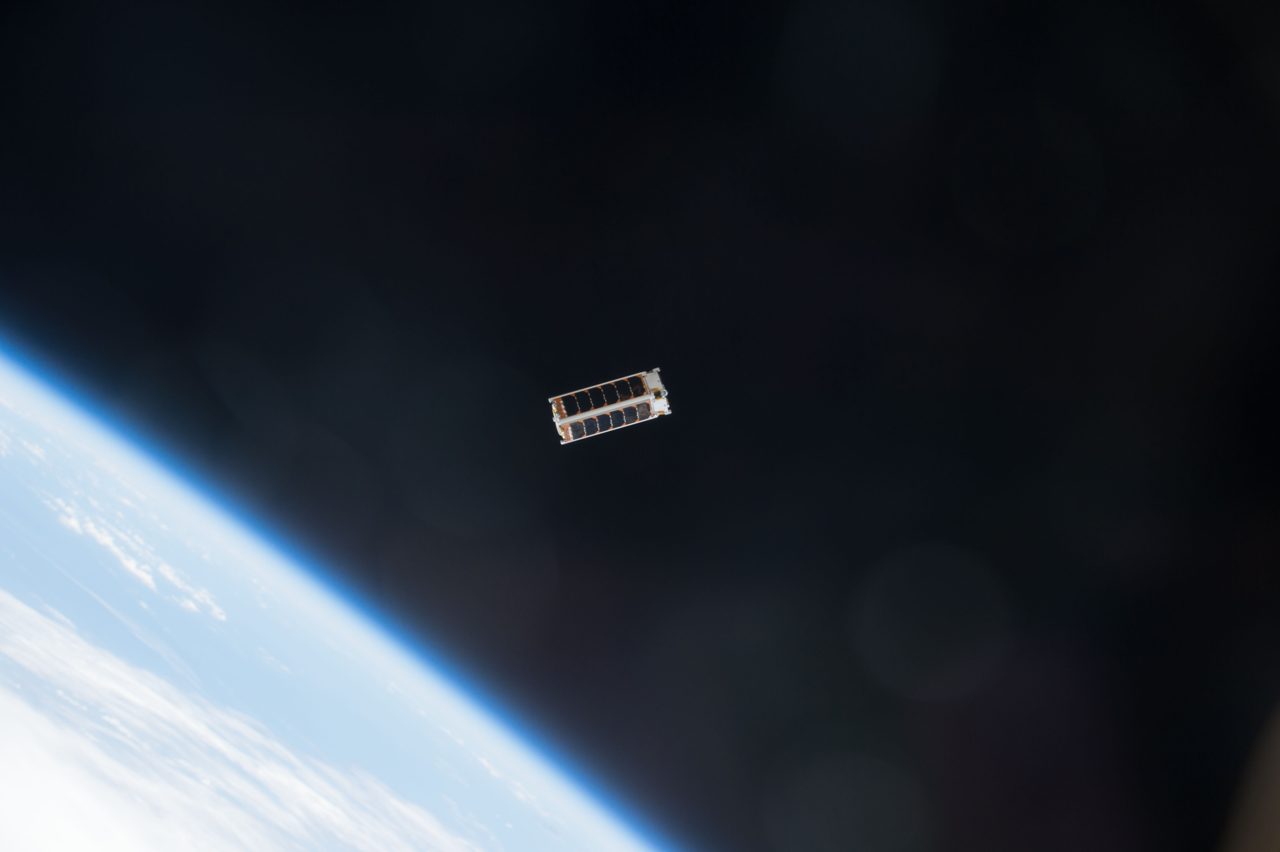
Recent data indicates an increase in close approaches between active satellites, with six notable incidents recorded. Among these, the TIANHUI 5C and TIANHUI 5D satellites came within 1.17 km of each other, while SUPERVIEW NEO-2 03 and SUPERVIEW NEO-2 04 had a minimum distance of 1.10 km. These events highlight the growing congestion in low Earth orbit (LEO), necessitating enhanced tracking and collision avoidance measures. The Orbital Radar Debris Map provides real-time tracking of such close encounters, offering insights into the dynamic environment of space.
What to Watch
While no launches are scheduled for today, the space community is eagerly anticipating the deployment of next-generation lunar rovers ahead of the Artemis 4 mission. These rovers are designed to support astronaut activities on the Moon, enhancing exploration capabilities. Additionally, the Pegasus launch is set to deploy the LINK satellite for an orbit boost of the aging Swift satellite. For those interested in satellite visibility, the Orbital Radar Pass Predictor can help identify when and where to observe satellites passing overhead.
Frequently Asked Questions
What is the Nancy Grace Roman Space Telescope?
How are satellite close approaches tracked?
📎 Cite this article
Orbital Radar Newsroom. (2026). Roman Telescope Prepares for Launch as Close Approaches Increase. Orbital Radar. https://orbitalradar.com/blog/orbital-briefing-2026-06-27"Roman Telescope Prepares for Launch as Close Approaches Increase." Orbital Radar, 27 June 2026, https://orbitalradar.com/blog/orbital-briefing-2026-06-27.@misc{orbitalradar_orbital_briefing_2026_06_27,
title = {Roman Telescope Prepares for Launch as Close Approaches Increase},
author = {{Orbital Radar}},
year = {2026},
howpublished = {\url{https://orbitalradar.com/blog/orbital-briefing-2026-06-27}}
}