Blue Origin's New Glenn Engine Issue and ISS Spacewalk Progress
Blue Origin identifies engine issue in New Glenn explosion while NASA astronauts advance ISS solar array upgrade.
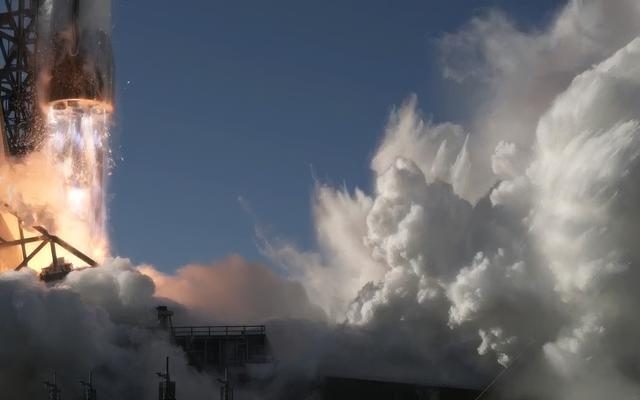
Blue Origin has identified the cause of the engine issue that led to the New Glenn explosion, a significant step in resuming development of their heavy-lift launch vehicle. The company stated that the anomaly was traced to a faulty component in the BE-4 engine, which is also intended for ULA's Vulcan Centaur rocket. This development is critical as New Glenn is a key player in Blue Origin's plans for commercial and governmental missions.
ISS Spacewalk Advances Solar Array Upgrade
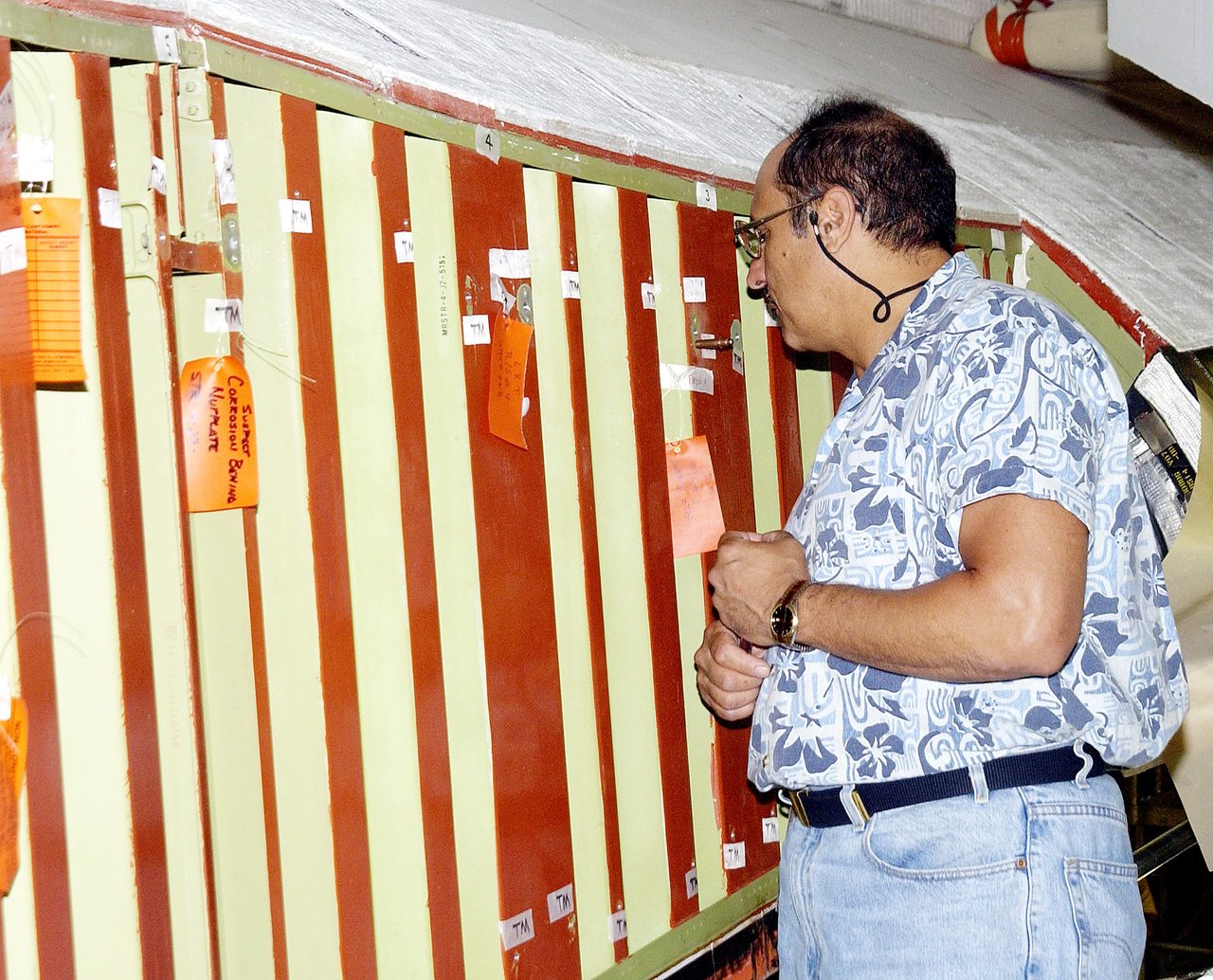
NASA astronauts conducted a 6.5-hour spacewalk to prepare the International Space Station (ISS) for an upcoming solar array upgrade. The operation involved installing mounting brackets and routing cables for new solar panels, which will enhance the station's power generation capabilities. This is part of a broader effort to ensure the ISS remains operational through the end of the decade. For those interested in tracking the ISS, visible passes can be checked on the Orbital Radar pass predictor.
What to Watch
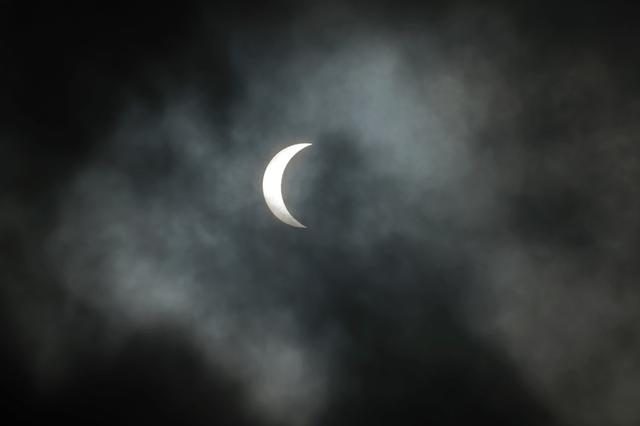
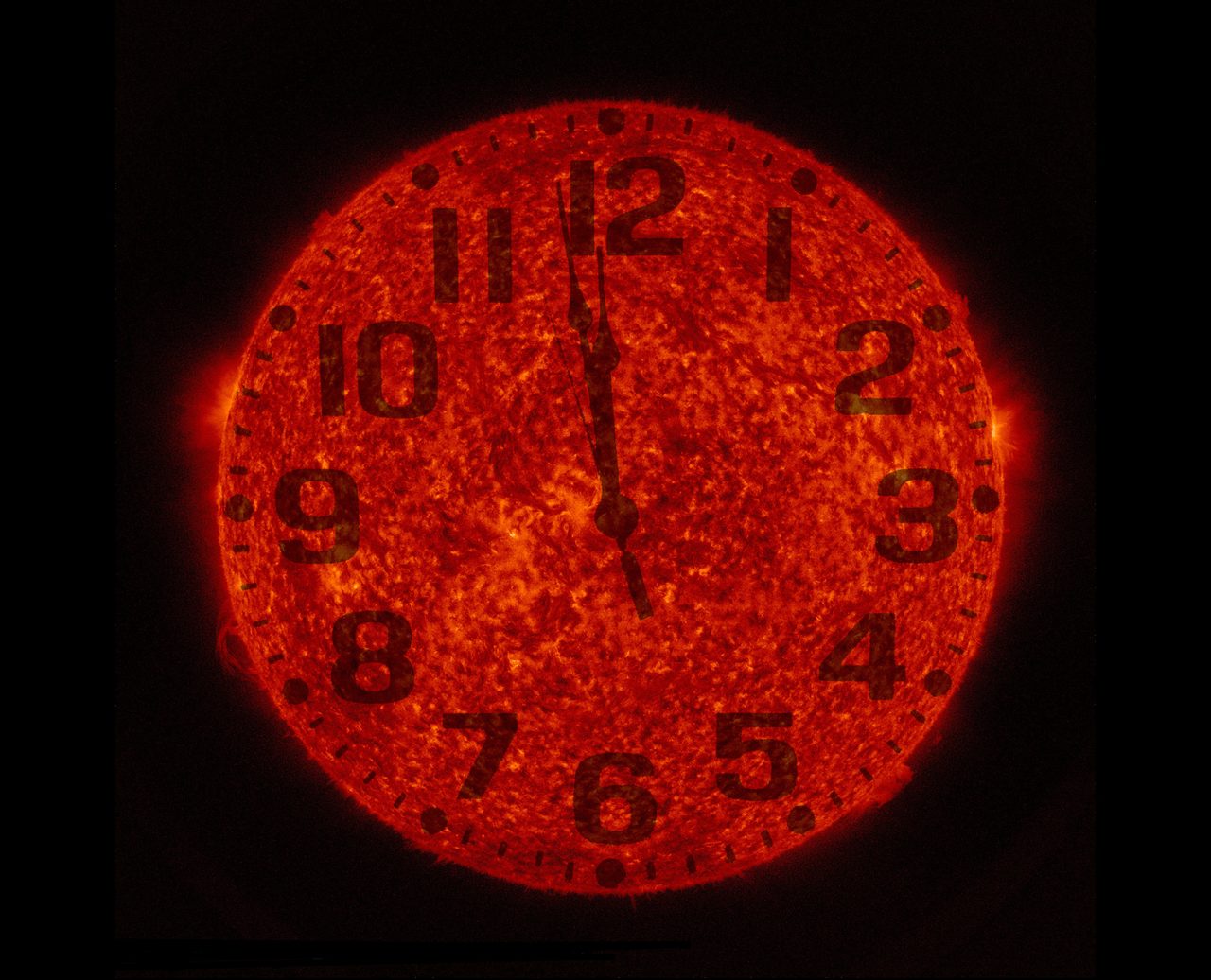
On 12 August, a total solar eclipse will be visible across parts of the Eastern Hemisphere. While clear skies offer the best view, partial visibility is possible even with some cloud cover, according to experts. Additionally, the Milky Way Mapper survey has released its latest all-sky spectra, offering new insights into our galaxy's structure. No launches are scheduled for the immediate future, but the Orbital Radar launch schedule remains updated for upcoming missions.
Frequently Asked Questions
What caused the New Glenn explosion?
How can I view the upcoming solar eclipse?
📎 Cite this article
Orbital Radar Newsroom. (2026). Blue Origin's New Glenn Engine Issue and ISS Spacewalk Progress. Orbital Radar. https://orbitalradar.com/blog/orbital-briefing-2026-08-07"Blue Origin's New Glenn Engine Issue and ISS Spacewalk Progress." Orbital Radar, 7 August 2026, https://orbitalradar.com/blog/orbital-briefing-2026-08-07.@misc{orbitalradar_orbital_briefing_2026_08_07,
title = {Blue Origin's New Glenn Engine Issue and ISS Spacewalk Progress},
author = {{Orbital Radar}},
year = {2026},
howpublished = {\url{https://orbitalradar.com/blog/orbital-briefing-2026-08-07}}
}