NASA Chooses Falcon Heavy for Space Weather Mission Amid Workforce Challenges
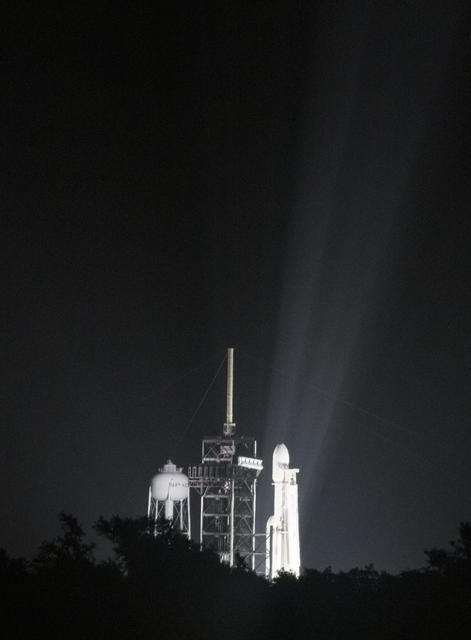
NASA opts for SpaceX's Falcon Heavy for a space weather mission, while workforce reductions affect other programs.
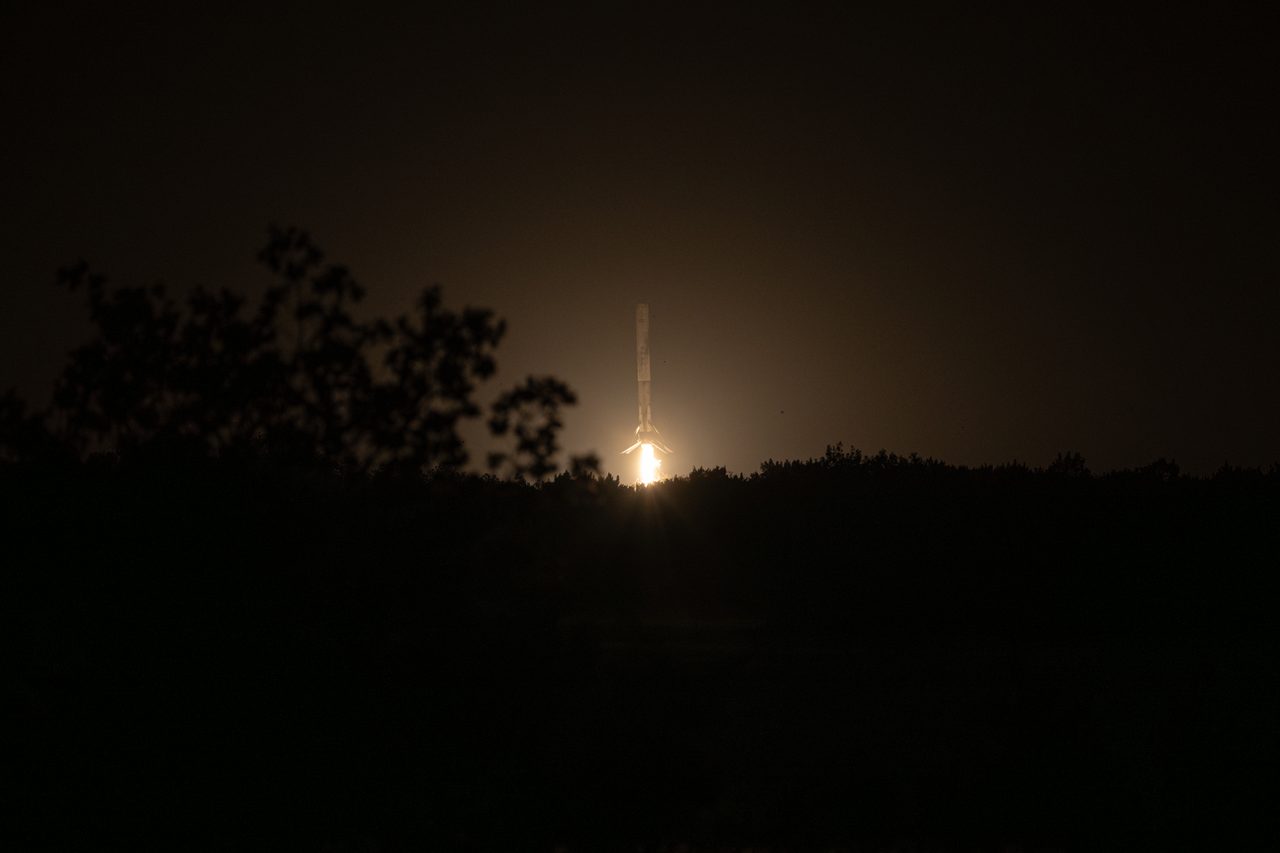
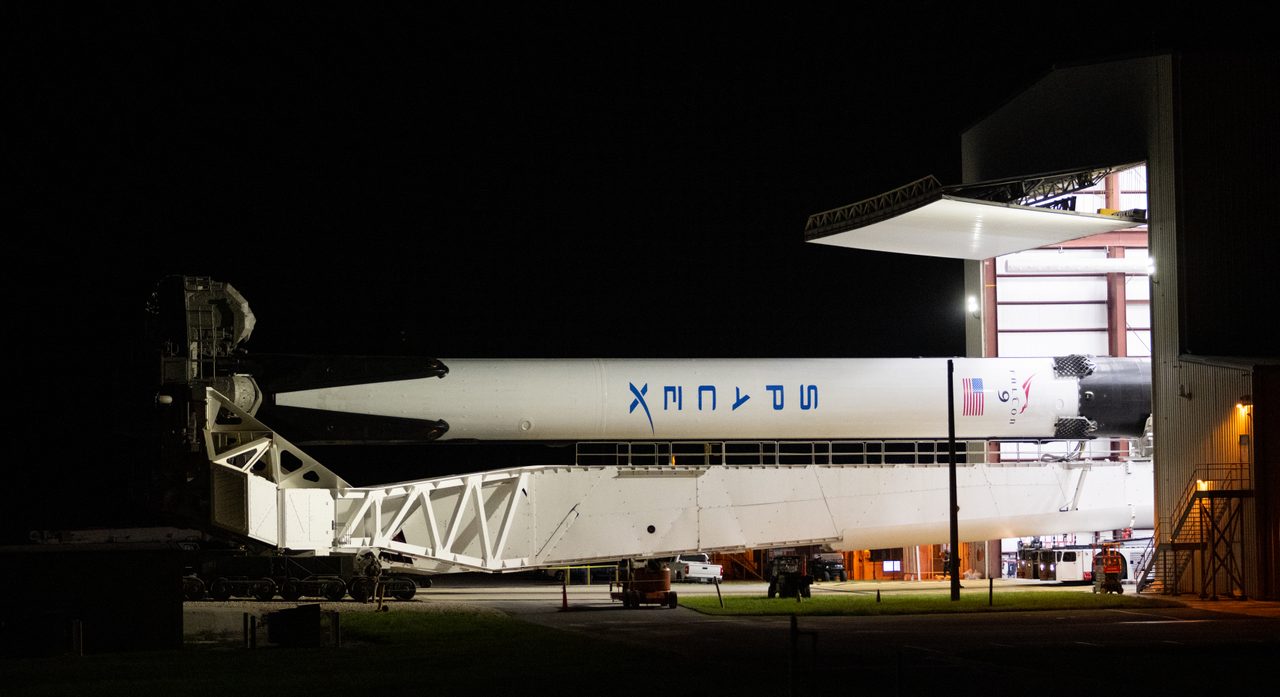
NASA has decided to use SpaceX's Falcon Heavy rocket for an upcoming space weather mission, replacing the Vulcan Centaur. This decision comes amidst workforce reductions that are reportedly affecting various NASA programs. The Falcon Heavy, known for its heavy-lift capabilities, will be tasked with launching a payload designed to improve our understanding of space weather phenomena.
Close Approaches in Orbit
Several close approaches between satellites have been recorded, including a near pass between SuperView Neo-2 05 and SuperView Neo-2 06, with a minimum distance of approximately 1.43 km. Such events highlight the increasing congestion in Low Earth Orbit (LEO), where the majority of active satellites, 15,894 as of today, are located. These close encounters are tracked in real-time on the Orbital Radar Debris Map.
International Space Developments
Poland has committed $745 million to the European Union's IRIS² constellation project, marking a significant investment in European space infrastructure. This initiative aims to bolster the EU's satellite capabilities and enhance connectivity across the continent. Meanwhile, the Department of Commerce in the United States is advancing its mission authorization framework, a critical step for regulating commercial space activities.
What to Watch
While no launches are scheduled for the immediate future, the space community is closely monitoring the potential self-destruction of a spin-reversing comet, which could provide valuable insights into cometary behaviour. Additionally, visible passes of satellites can be checked using the Orbital Radar pass predictor.
Frequently Asked Questions
Why did NASA choose Falcon Heavy for the space weather mission?
What is the significance of satellite close approaches?
📎 Cite this article
Orbital Radar Newsroom. (2026). NASA Chooses Falcon Heavy for Space Weather Mission Amid Workforce Challenges. Orbital Radar. https://orbitalradar.com/blog/orbital-briefing-2026-07-24"NASA Chooses Falcon Heavy for Space Weather Mission Amid Workforce Challenges." Orbital Radar, 24 July 2026, https://orbitalradar.com/blog/orbital-briefing-2026-07-24.@misc{orbitalradar_orbital_briefing_2026_07_24,
title = {NASA Chooses Falcon Heavy for Space Weather Mission Amid Workforce Challenges},
author = {{Orbital Radar}},
year = {2026},
howpublished = {\url{https://orbitalradar.com/blog/orbital-briefing-2026-07-24}}
}