NASA and Roscosmos Extend Seat Barter Deal Amid Close Satellite Encounters
NASA and Roscosmos have extended their seat barter agreement, while recent close satellite encounters underscore the growing congestion in orbit.
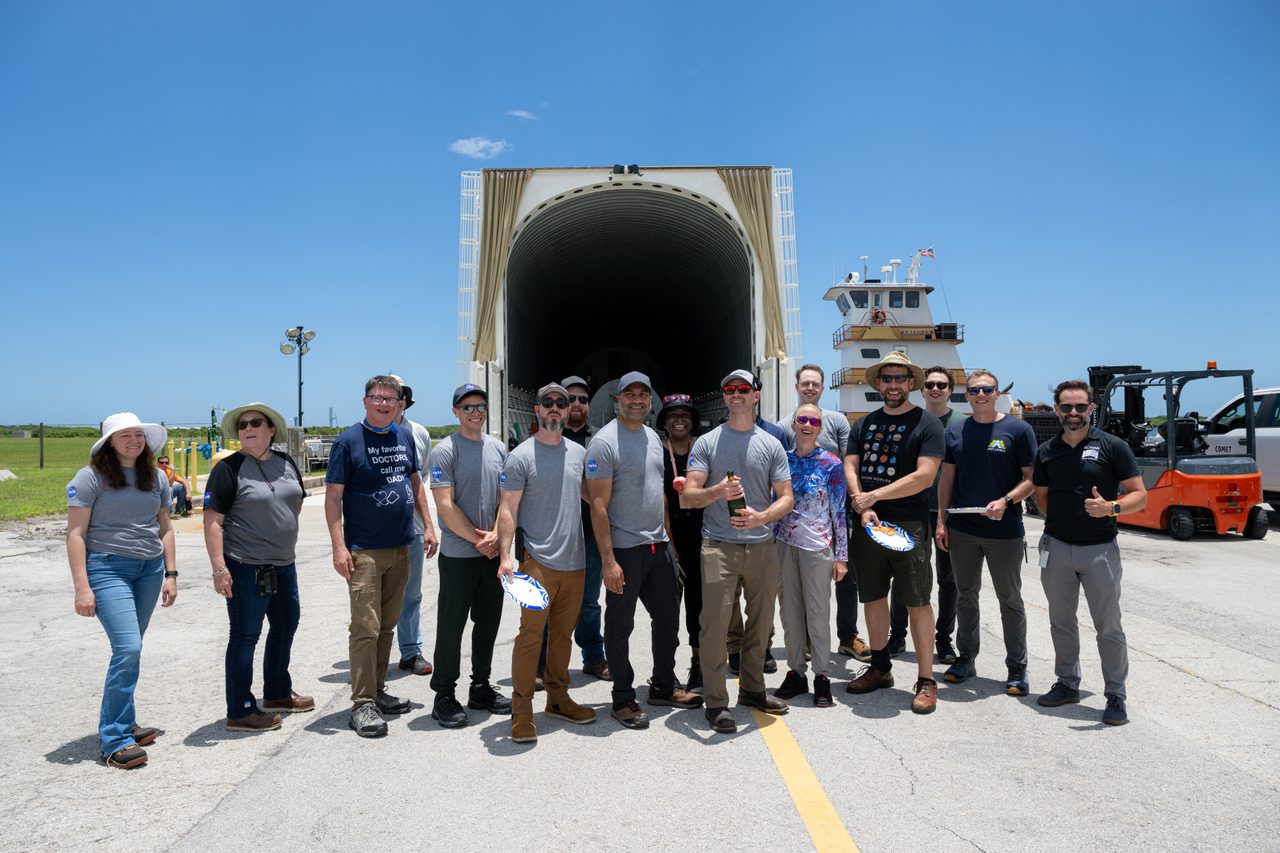
NASA and Roscosmos have announced the continuation of their seat barter agreement, allowing astronauts from both agencies to fly on each other's spacecraft. This arrangement, which began in 2020, aims to ensure continuous presence on the International Space Station (ISS) despite geopolitical tensions. The agreement facilitates resource sharing and operational flexibility, crucial for maintaining the ISS's multinational crew.
Close Satellite Encounters Highlight Orbital Congestion
Recent data reveals several close approaches between satellites, including a minimum separation of 0.47 km between OBJECT B and OBJECT D. Such encounters are becoming increasingly common, raising concerns about space traffic management and collision risks. The Orbital Radar Debris Map tracks these events, providing insights into the complex dynamics of Earth's orbital environment.
New Insights into Solar Activity
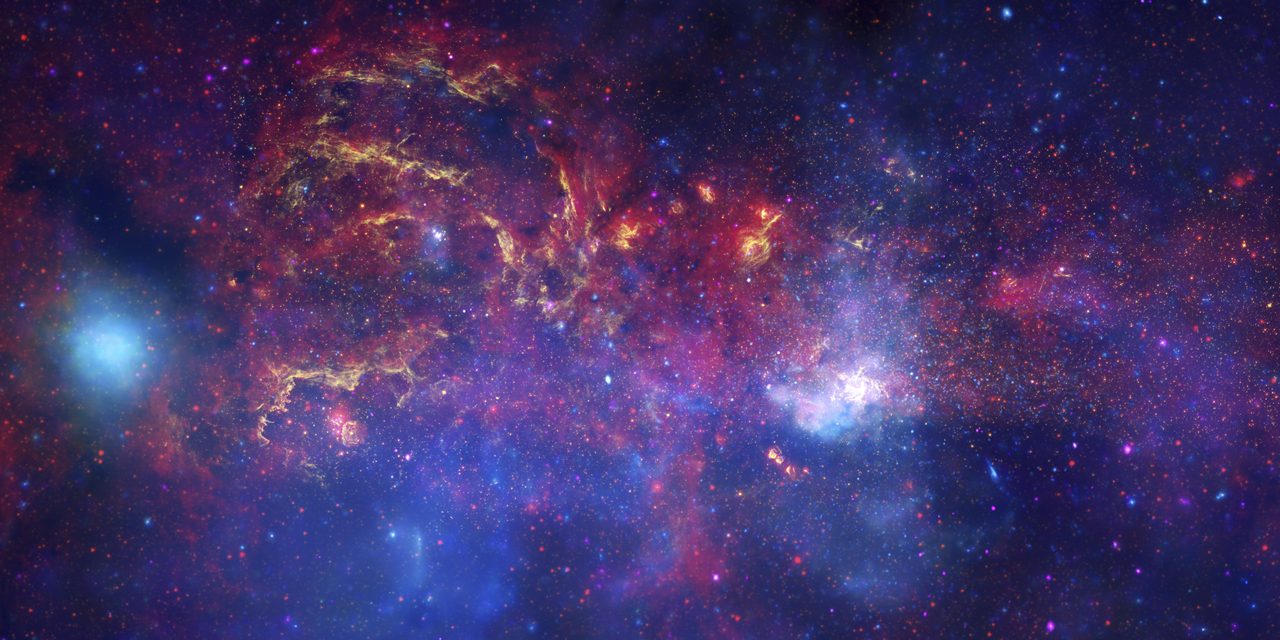
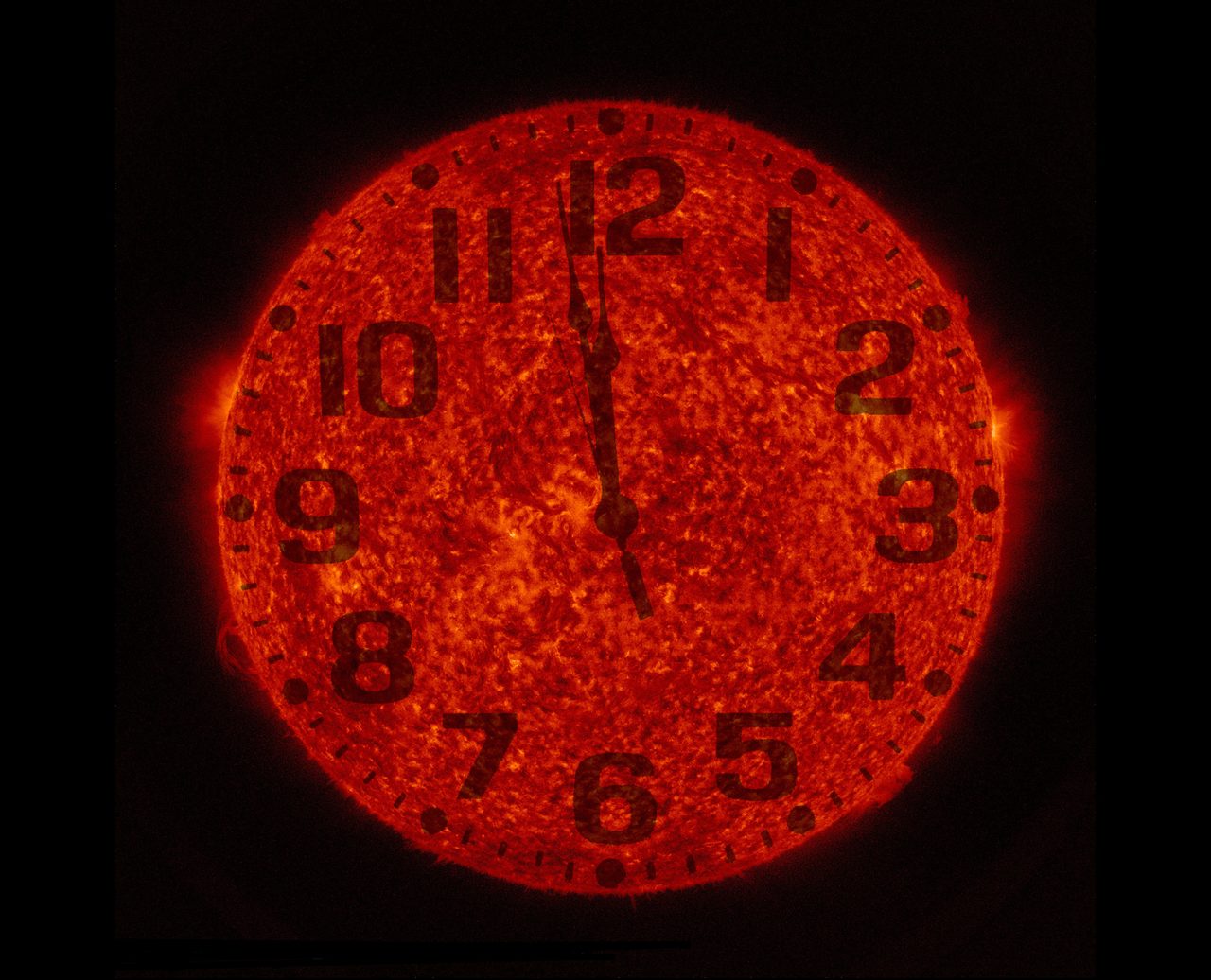
NASA's latest Astronomy Picture of the Day features the sharpest image of the Sun to date, revealing previously unseen instability patterns. These findings could enhance our understanding of solar dynamics and their impact on space weather. Researchers continue to analyse these patterns to predict solar flares and other phenomena that affect satellite operations and communications.
What to Watch
While no launches are scheduled for today, the space community is anticipating the upcoming total solar eclipse on 12 August 2026. The eclipse will be visible across parts of the United States and Mexico. For those interested in satellite activity, the Orbital Radar Pass Predictor offers real-time updates on visible satellite passes.
Frequently Asked Questions
What is the NASA and Roscosmos seat barter agreement?
How close do satellites get to each other?
📎 Cite this article
Orbital Radar Newsroom. (2026). NASA and Roscosmos Extend Seat Barter Deal Amid Close Satellite Encounters. Orbital Radar. https://orbitalradar.com/blog/orbital-briefing-2026-08-06"NASA and Roscosmos Extend Seat Barter Deal Amid Close Satellite Encounters." Orbital Radar, 6 August 2026, https://orbitalradar.com/blog/orbital-briefing-2026-08-06.@misc{orbitalradar_orbital_briefing_2026_08_06,
title = {NASA and Roscosmos Extend Seat Barter Deal Amid Close Satellite Encounters},
author = {{Orbital Radar}},
year = {2026},
howpublished = {\url{https://orbitalradar.com/blog/orbital-briefing-2026-08-06}}
}