Satellite Proliferation Threatens Astronomy, Close Approaches Monitored
Astronomy faces challenges from the planned launch of 1.7 million satellites, while several close approaches in orbit are monitored.
A recent study has highlighted the potential impact of a planned increase in satellite launches on astronomical observations. With projections suggesting up to 1.7 million satellites could be launched, the study warns of 'devastating' consequences for ground-based astronomy. This expansion is largely driven by the demand for global internet coverage and other commercial applications.
Monitoring Orbital Close Approaches
Several close approaches between satellites have been recorded, including a near encounter between SuperView NEO-2 05 and SuperView NEO-2 06, with a minimum distance of approximately 0.72 km. These events underscore the increasing congestion in low Earth orbit (LEO). Orbital Radar's Debris Map provides a visualisation of these and other close approaches, helping to track potential collision risks.
What to Watch
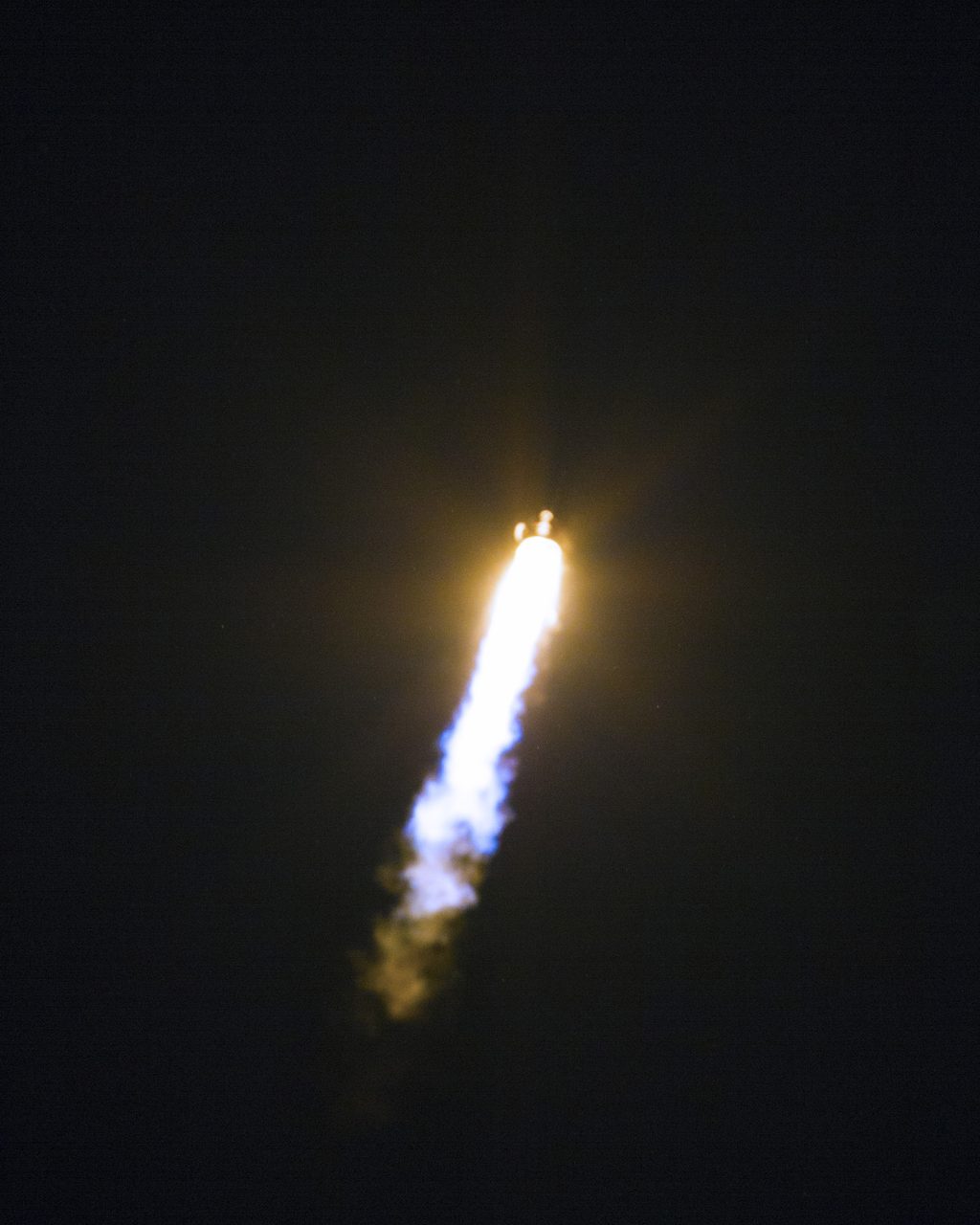
While there are no launches scheduled for the immediate future, anticipation builds around the Haven-1 space station module from Vast, slated for a 2027 launch. The module is part of a broader effort to expand commercial space infrastructure. For updates on upcoming launches, consult the Launch Schedule on Orbital Radar.
Frequently Asked Questions
How many satellites are currently active in orbit?
What is a close approach in space?
📎 Cite this article
Orbital Radar Newsroom. (2026). Satellite Proliferation Threatens Astronomy, Close Approaches Monitored. Orbital Radar. https://orbitalradar.com/blog/orbital-briefing-2026-07-05"Satellite Proliferation Threatens Astronomy, Close Approaches Monitored." Orbital Radar, 5 July 2026, https://orbitalradar.com/blog/orbital-briefing-2026-07-05.@misc{orbitalradar_orbital_briefing_2026_07_05,
title = {Satellite Proliferation Threatens Astronomy, Close Approaches Monitored},
author = {{Orbital Radar}},
year = {2026},
howpublished = {\url{https://orbitalradar.com/blog/orbital-briefing-2026-07-05}}
}