Astronomical Concerns Over Satellite Mega-Constellations
Astronomers express concern over satellite mega-constellations, while New Horizons approaches interstellar space.
A recent study highlights significant concerns from the astronomical community regarding the planned deployment of 1.7 million satellites. The report suggests that such mega-constellations could severely impact astronomical observations, potentially obstructing views of the night sky. This development has sparked discussions about balancing technological advancement with the preservation of scientific research capabilities.
New Horizons Approaches Interstellar Space
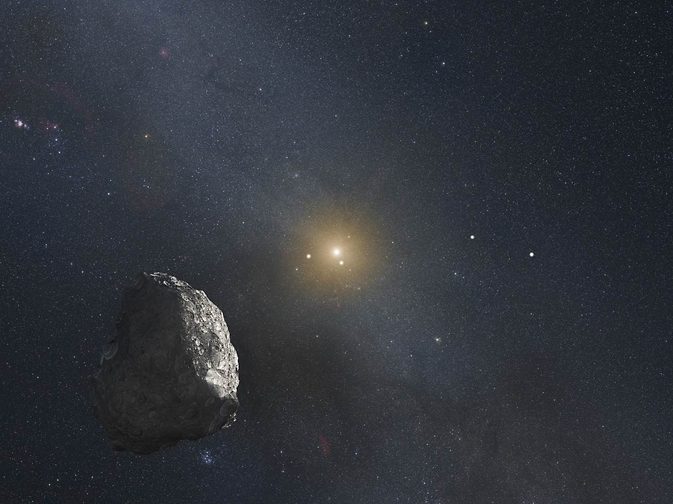
NASA's New Horizons spacecraft, renowned for its historic flyby of Pluto in 2015, is on the brink of entering interstellar space. Researchers are developing a solar wind forecasting method to better understand the environment that New Horizons will encounter beyond the heliosphere. This marks a significant milestone in the mission, as it continues to provide valuable insights into the outer reaches of our solar system.
Orbital Anomalies and Close Approaches
Recent data from Orbital Radar indicates several close approaches between active satellites and debris. Notably, COSMOS 2581 and COSMOS 2583 came within approximately 0.68 km of each other. Such events underscore the growing need for effective space traffic management to prevent potential collisions. Users can monitor these and other close approaches using the Debris Map tool.
What to Watch
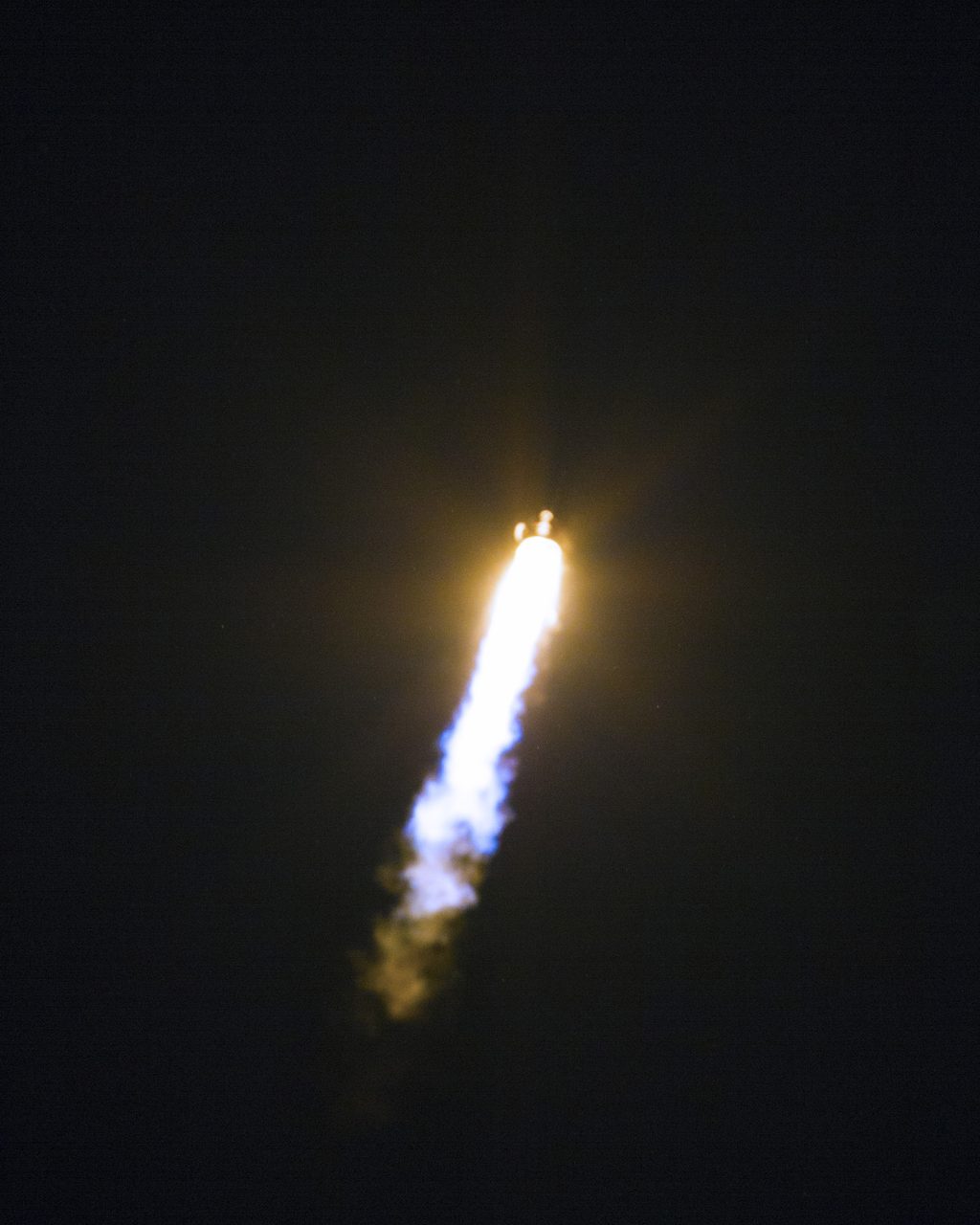
While there are no launches scheduled for today, the space community is anticipating the Haven-1 mission by Vast, planned for 2027. This mission aims to establish a private space station, advancing commercial space exploration. For future launch dates, the Launch Schedule provides up-to-date information.
Frequently Asked Questions
Why are astronomers concerned about satellite mega-constellations?
What is New Horizons' current mission objective?
📎 Cite this article
Orbital Radar Newsroom. (2026). Astronomical Concerns Over Satellite Mega-Constellations. Orbital Radar. https://orbitalradar.com/blog/orbital-briefing-2026-05-01"Astronomical Concerns Over Satellite Mega-Constellations." Orbital Radar, 1 May 2026, https://orbitalradar.com/blog/orbital-briefing-2026-05-01.@misc{orbitalradar_orbital_briefing_2026_05_01,
title = {Astronomical Concerns Over Satellite Mega-Constellations},
author = {{Orbital Radar}},
year = {2026},
howpublished = {\url{https://orbitalradar.com/blog/orbital-briefing-2026-05-01}}
}