Rocket Lab's Strategic Moves and Andromeda's Star Formation Slowdown
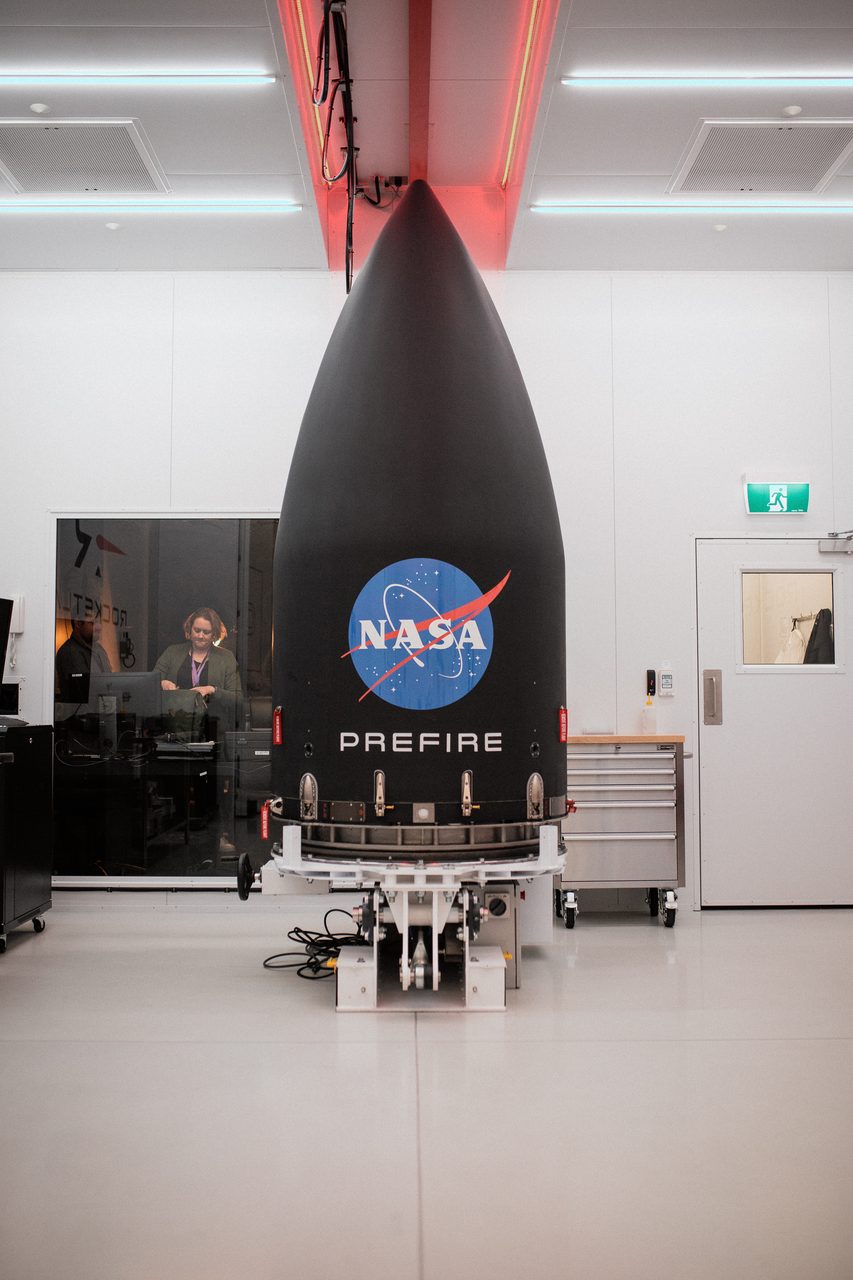
Rocket Lab announces strategic advancements; Hubble observes star formation slowdown in Andromeda. Perseids peak tonight.
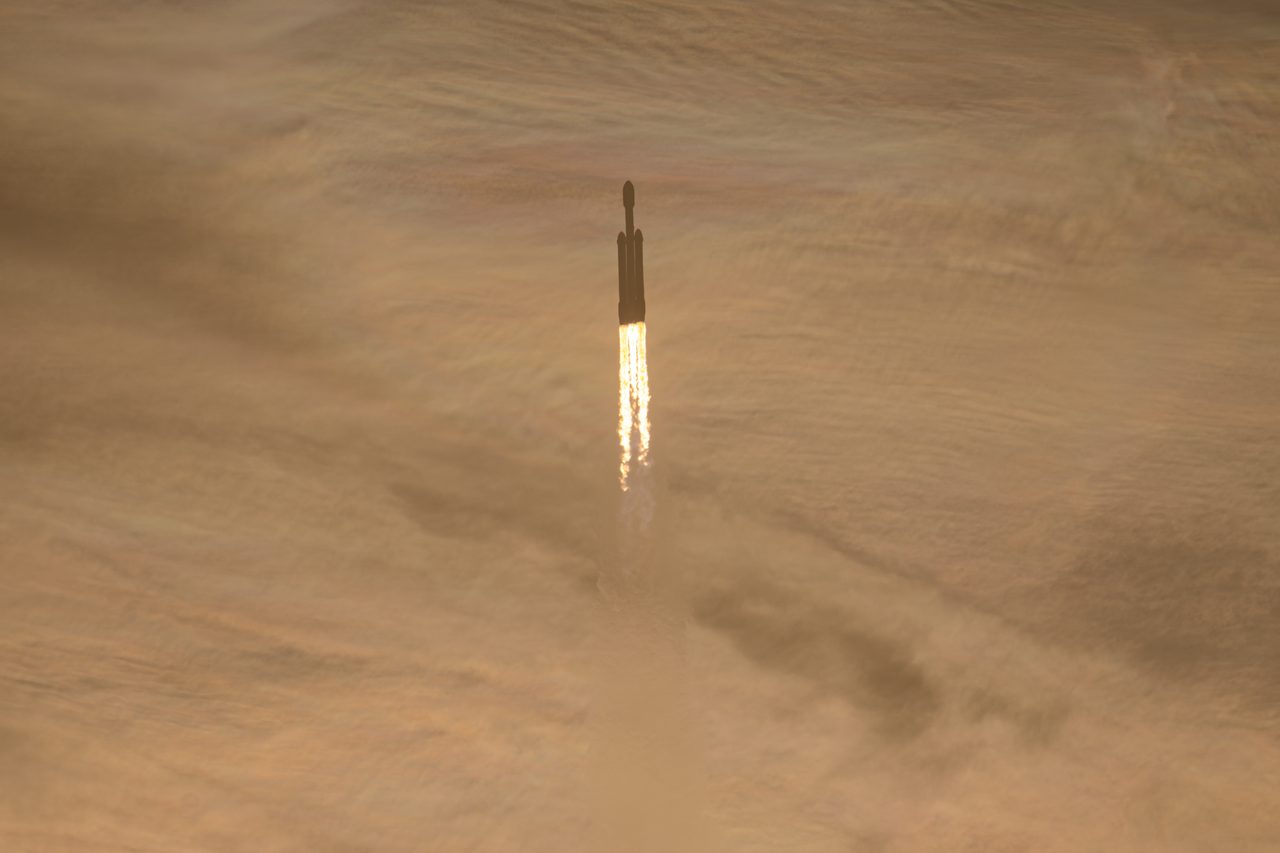
Rocket Lab has made a series of strategic announcements that could significantly impact its position in the space launch market. The company, known for its Electron rocket, is expanding its capabilities with new launch vehicles and infrastructure developments. These moves are expected to enhance its competitiveness in the small satellite launch sector. Details of these announcements can be explored further on the Orbital Radar Launch Vehicles page.
Andromeda's Star Formation Slows
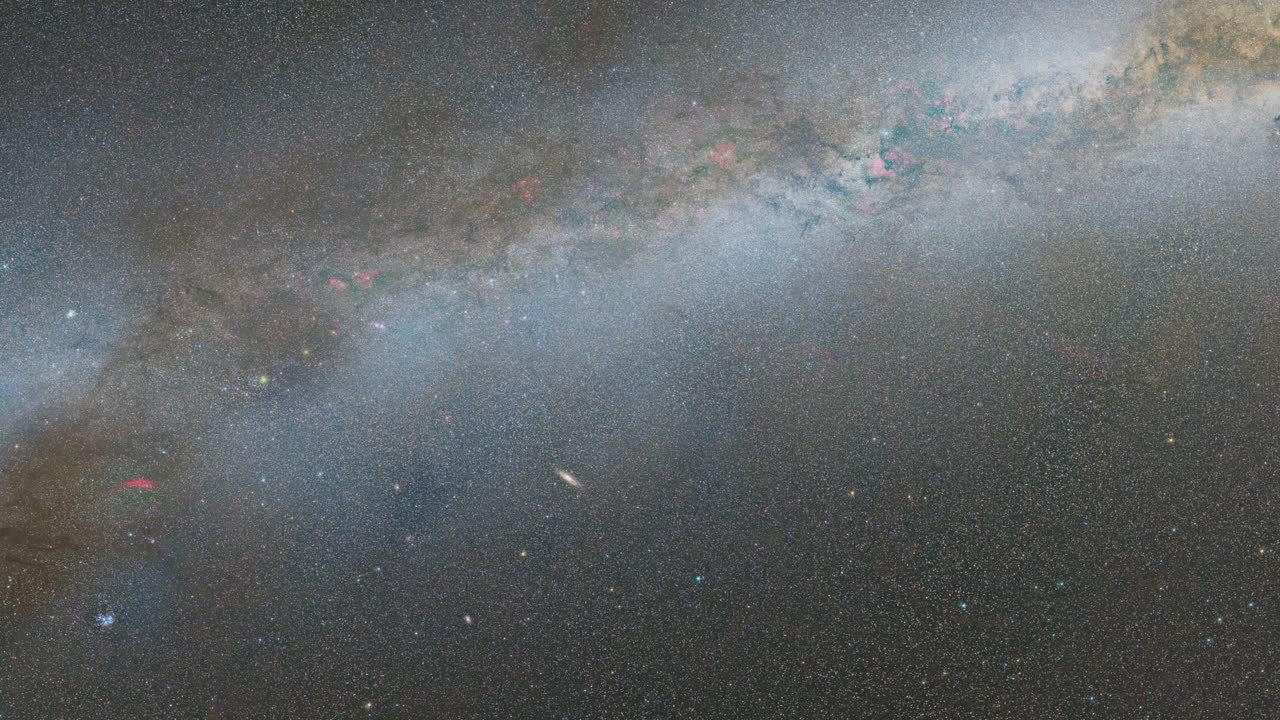
The Hubble Space Telescope has revealed a slowdown in star formation within the Andromeda Galaxy, also known as M31. This observation suggests that Andromeda is transitioning into a more passive phase of its galactic lifecycle. The findings are crucial for understanding the evolution of galaxies and the factors that influence their development over time. For more insights into galactic phenomena, the Orbital Radar Space Academy offers a wealth of resources.
Perseids Meteor Shower Peaks
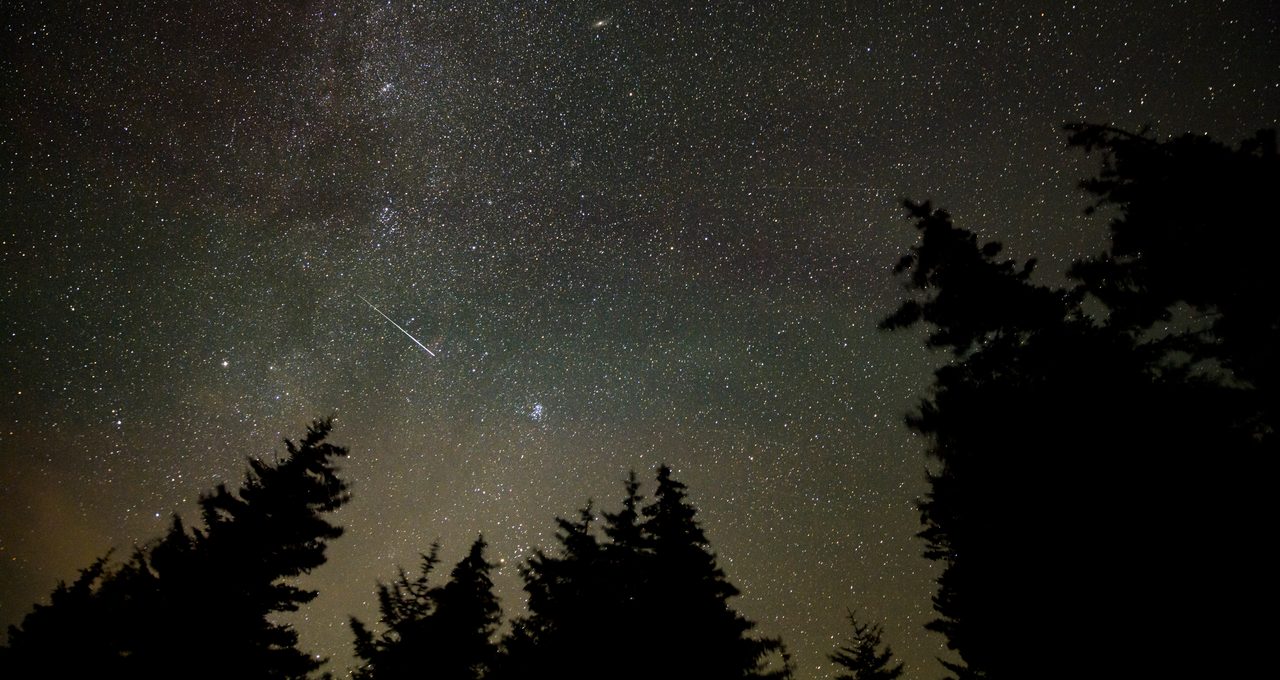
The Perseids meteor shower, one of the most anticipated celestial events of the year, reaches its peak tonight. Observers in the Northern Hemisphere, particularly those in areas with minimal light pollution, can expect to see up to 100 meteors per hour. This annual event occurs as Earth passes through the debris of Comet Swift-Tuttle. To find the best viewing times and locations, check the Orbital Radar Pass Predictor.
What to Watch
While there are no upcoming launches in the immediate days, the space community is closely monitoring several close approaches between active satellites. Notably, the IRIDE-MS1-EAG2-10 and MARS-1 will pass within approximately 1.51 km of each other. These events underscore the increasing congestion in low Earth orbit. For real-time updates on satellite positions and potential collisions, the Orbital Radar Debris Map is a valuable tool.
Frequently Asked Questions
What is Rocket Lab's new announcement?
When is the best time to watch the Perseids meteor shower?
📎 Cite this article
Orbital Radar Newsroom. (2026). Rocket Lab's Strategic Moves and Andromeda's Star Formation Slowdown. Orbital Radar. https://orbitalradar.com/blog/orbital-briefing-2026-08-15"Rocket Lab's Strategic Moves and Andromeda's Star Formation Slowdown." Orbital Radar, 15 August 2026, https://orbitalradar.com/blog/orbital-briefing-2026-08-15.@misc{orbitalradar_orbital_briefing_2026_08_15,
title = {Rocket Lab's Strategic Moves and Andromeda's Star Formation Slowdown},
author = {{Orbital Radar}},
year = {2026},
howpublished = {\url{https://orbitalradar.com/blog/orbital-briefing-2026-08-15}}
}