Rocket Lab Launches Japanese Satellite Amidst Lunar Telescope Race
Rocket Lab launches a Japanese satellite, while plans for a lunar telescope progress. Starlink satellites experience close approaches.
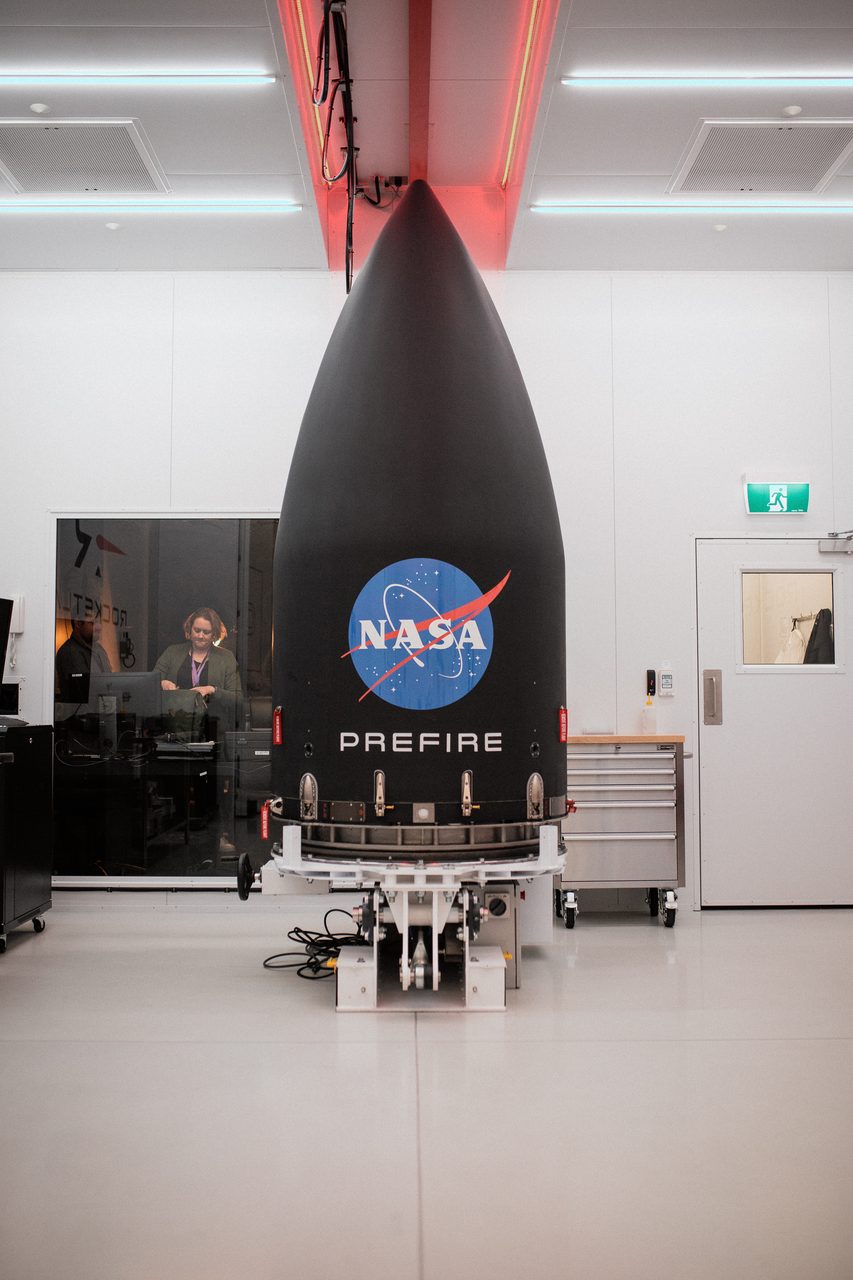
Rocket Lab is set to launch a private Japanese Earth-observing satellite today, marking a significant milestone in international space collaboration. The launch will utilise Rocket Lab's Electron rocket, known for its adaptability and efficiency in deploying small payloads to orbit. This mission underscores the growing trend of private companies facilitating access to space for international clients. Check the launch schedule for updates on this and other upcoming missions.
Lunar Telescope Plans Progress

Efforts to construct a radio telescope on the Moon are gaining traction, as scientists race to establish a permanent observatory on the lunar surface. The Moon's far side offers a unique environment free from Earth's radio interference, making it an ideal location for deep space observations. This initiative is part of a broader push to utilise the Moon for scientific advancements, with potential collaborations involving multiple space agencies. For more on lunar missions, visit our Moon Globe page.
Starlink Satellites in Close Proximity
A close approach between STARLINK-5076 and OBJECT BH, with a minimum distance of approximately 1.90 km, highlights the challenges of satellite congestion in low Earth orbit (LEO). Such events are not uncommon, given the vast number of active satellites, including over 10,000 Starlink units. Monitoring these interactions is crucial to prevent potential collisions. The Starlink Tracker provides real-time updates on satellite positions and potential close approaches.
What to Watch
In addition to today's Rocket Lab launch, the space community is closely observing developments in hypersonic technology. Castelion, a hypersonic missile startup, has secured $1 billion in funding, reflecting the strategic importance of this technology. Meanwhile, scientists have identified the fastest known star in the Milky Way, orbiting the galaxy's central black hole at 15,500 miles per second. These events highlight the diverse and dynamic nature of current space exploration and research.
Frequently Asked Questions
What is the significance of a lunar radio telescope?
How does Rocket Lab's Electron rocket differ from others?
📎 Cite this article
Orbital Radar Newsroom. (2026). Rocket Lab Launches Japanese Satellite Amidst Lunar Telescope Race. Orbital Radar. https://orbitalradar.com/blog/orbital-briefing-2026-08-20"Rocket Lab Launches Japanese Satellite Amidst Lunar Telescope Race." Orbital Radar, 20 August 2026, https://orbitalradar.com/blog/orbital-briefing-2026-08-20.@misc{orbitalradar_orbital_briefing_2026_08_20,
title = {Rocket Lab Launches Japanese Satellite Amidst Lunar Telescope Race},
author = {{Orbital Radar}},
year = {2026},
howpublished = {\url{https://orbitalradar.com/blog/orbital-briefing-2026-08-20}}
}