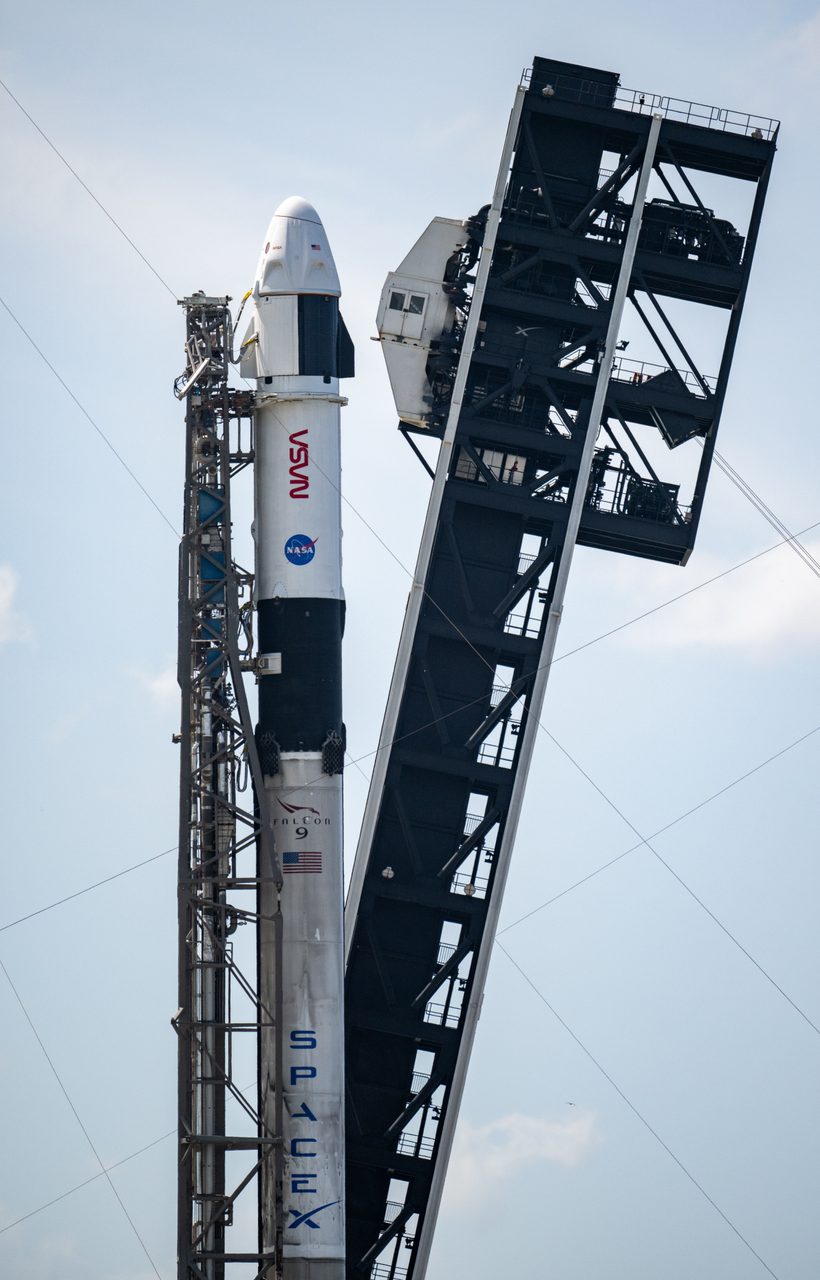
SpaceX Falcon 9 Launches 81 Satellites in Midnight Rideshare
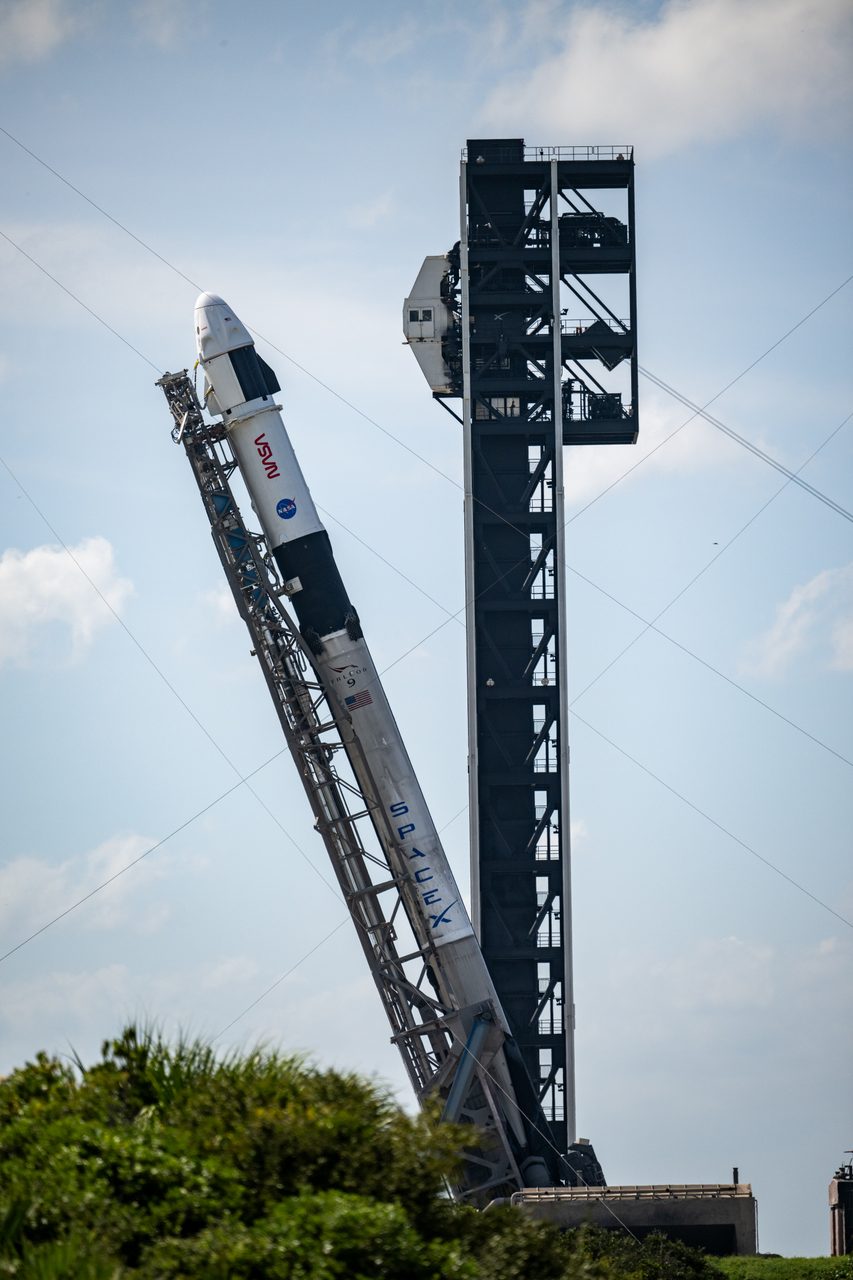
SpaceX's Falcon 9 successfully launched 81 satellites early on July 7. The mission included diverse payloads, enhancing global satellite coverage.
SpaceX's Falcon 9 rocket successfully launched 81 satellites in a rideshare mission early on 7 July 2026. The launch took place at midnight from Cape Canaveral Space Force Station, marking another milestone in SpaceX's ambitious satellite deployment programme. The payload included a mix of commercial, scientific, and military technology demonstrators, contributing to the growing constellation of active satellites in orbit.
Long March 10B and Vikram-I Debut
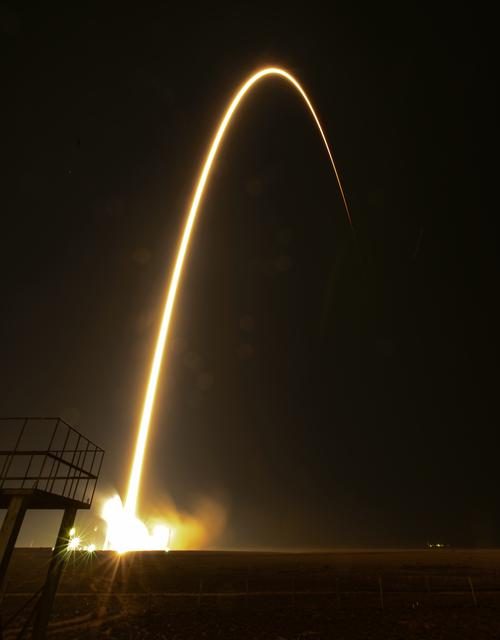
In a significant development for space launch capabilities, both the Long March 10B and Vikram-I rockets are set to make their debut. The Long March 10B, developed by the China National Space Administration (CNSA), is expected to enhance China's ability to launch heavier payloads into orbit. Meanwhile, the Vikram-I, developed by the Indian Space Research Organisation (ISRO), represents a key advancement in India's commercial satellite launch capabilities. Details of these launches can be found on the Orbital Radar Launch Schedule.
Interstellar Comet 3I/ATLAS Insights
New insights have emerged about the origins of interstellar comet 3I/ATLAS, which continues to intrigue astronomers. Studies suggest that the comet's unusual trajectory and composition could provide clues about the conditions prevalent during the 'cosmic noon' of the universe, a period when star formation was at its peak. Such findings are crucial for understanding the broader cosmic environment and the processes that shape it.
What to Watch
Looking ahead, the space community is anticipating the next series of launches and celestial events. Notably, the debut of the Long March 10B and Vikram-I rockets will be closely watched for their impact on global launch capabilities. Additionally, the ongoing study of interstellar comet 3I/ATLAS continues to offer promising insights. For those interested in satellite visibility, upcoming passes can be checked using the Orbital Radar Pass Predictor.
Frequently Asked Questions
How many satellites did SpaceX launch on July 7, 2026?
What is the significance of interstellar comet 3I/ATLAS?
📎 Cite this article
Orbital Radar Newsroom. (2026). SpaceX Falcon 9 Launches 81 Satellites in Midnight Rideshare. Orbital Radar. https://orbitalradar.com/blog/orbital-briefing-2026-05-02"SpaceX Falcon 9 Launches 81 Satellites in Midnight Rideshare." Orbital Radar, 2 May 2026, https://orbitalradar.com/blog/orbital-briefing-2026-05-02.@misc{orbitalradar_orbital_briefing_2026_05_02,
title = {SpaceX Falcon 9 Launches 81 Satellites in Midnight Rideshare},
author = {{Orbital Radar}},
year = {2026},
howpublished = {\url{https://orbitalradar.com/blog/orbital-briefing-2026-05-02}}
}