SpaceX Lunar Collision Concerns and VLEO Demonstration
SpaceX addresses lunar collision risks, Kreios Space prepares VLEO demo, and Starlink satellites narrowly avoid close approaches.
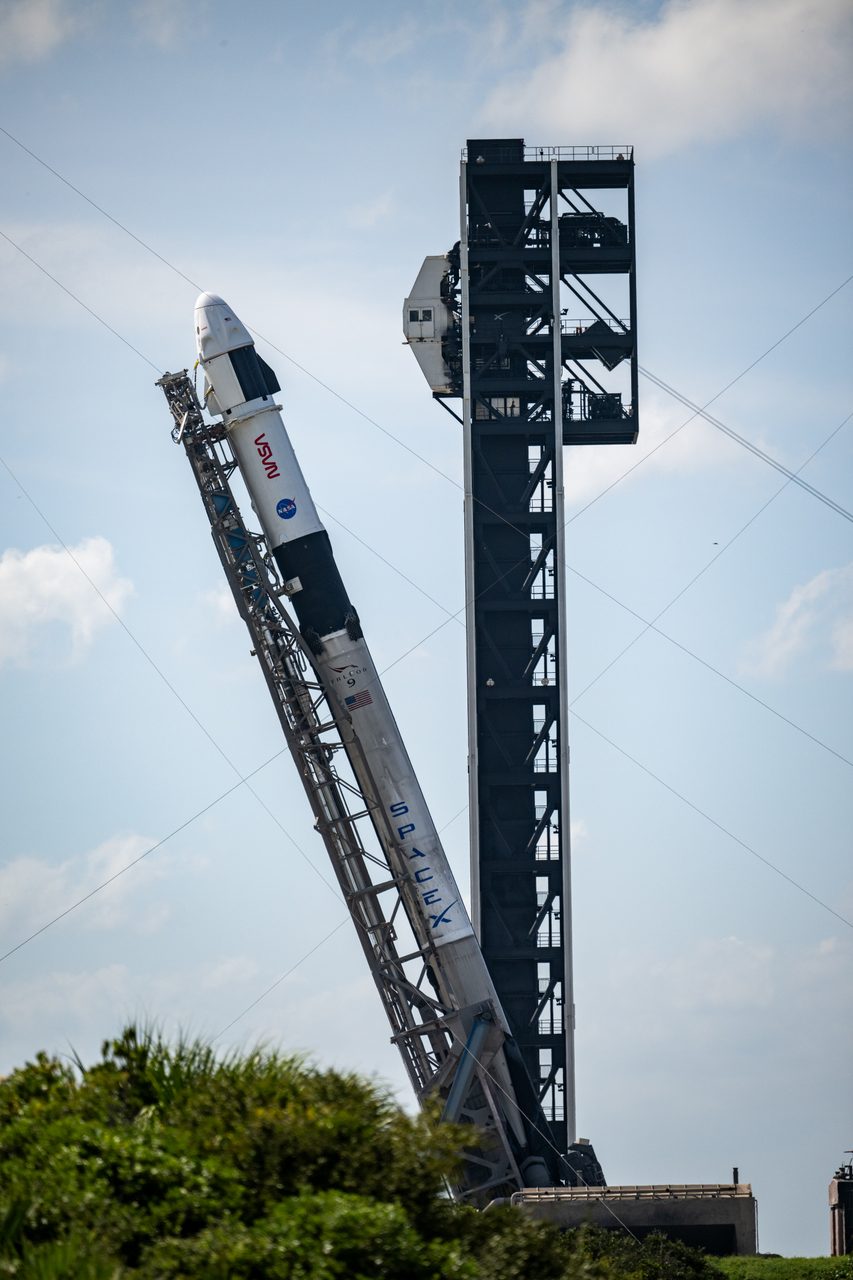
SpaceX and NASA are collaborating to mitigate the risk of future upper stage collisions with the Moon. This follows concerns about a SpaceX rocket on a collision course with the lunar surface this week. The incident underscores the need for improved trajectory planning and debris management in lunar missions. SpaceX is also transitioning from MRAPs to Cybertrucks for its Crew-13 mission, reflecting a shift in ground transportation strategy.
Kreios Space's VLEO Demonstration
Kreios Space is set to conduct a demonstration in very low Earth orbit (VLEO) using a NanoAvionics satellite bus. This mission aims to test new technologies for operating in orbits below 300 km, which could offer benefits such as reduced latency for communications. The demonstration will provide insights into the challenges and opportunities of VLEO operations, with potential implications for future satellite constellations.
Starlink Satellites' Close Approaches
Two Starlink satellites, STARLINK-30501 and STARLINK-32893, recently experienced a close approach, with a minimum distance of approximately 1.40 km. Such events highlight the growing complexity of managing large satellite constellations in low Earth orbit. The Starlink Tracker provides ongoing updates on the status and movements of these satellites, helping to monitor potential collision risks.
What to Watch
The launch schedule remains quiet for the immediate future, but the focus is on the potential impact of the SpaceX rocket with the Moon. Observers are keenly watching how this event unfolds, as it may influence future mission planning and international discussions on space debris. For those interested in satellite observation, the Pass Predictor can help locate visible passes of satellites over your location.
Frequently Asked Questions
Why is a SpaceX rocket on a collision course with the Moon?
What is very low Earth orbit (VLEO)?
📎 Cite this article
Orbital Radar Newsroom. (2026). SpaceX Lunar Collision Concerns and VLEO Demonstration. Orbital Radar. https://orbitalradar.com/blog/orbital-briefing-2026-08-04"SpaceX Lunar Collision Concerns and VLEO Demonstration." Orbital Radar, 4 August 2026, https://orbitalradar.com/blog/orbital-briefing-2026-08-04.@misc{orbitalradar_orbital_briefing_2026_08_04,
title = {SpaceX Lunar Collision Concerns and VLEO Demonstration},
author = {{Orbital Radar}},
year = {2026},
howpublished = {\url{https://orbitalradar.com/blog/orbital-briefing-2026-08-04}}
}