GPS IIR-11: The Backbone of Global Navigation

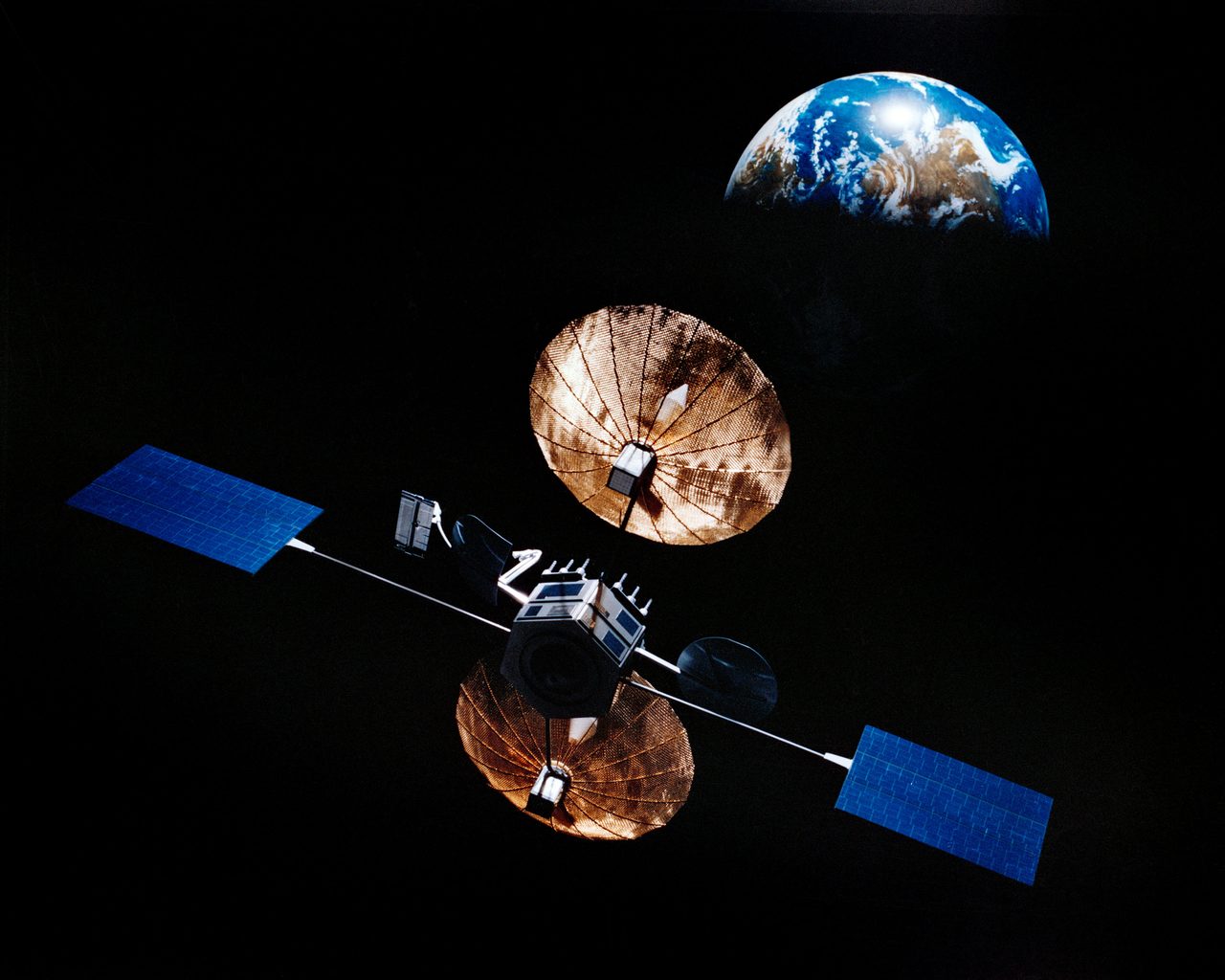
GPS IIR-11, also known by its NORAD ID 26407, is a part of the Global Positioning System (GPS), a network of satellites providing geolocation and time information to a GPS receiver anywhere on or near the Earth. Launched on 31 March 2003, GPS IIR-11 is one of the 31 operational satellites in the GPS
What is GPS IIR-11?
GPS IIR-11, also known by its NORAD ID 26407, is a part of the Global Positioning System (GPS), a network of satellites providing geolocation and time information to a GPS receiver anywhere on or near the Earth. Launched on 31 March 2003, GPS IIR-11 is one of the 31 operational satellites in the GPS constellation, which is managed by the United States Space Force. The satellite is part of the Block IIR series, which was designed to improve the accuracy and reliability of the GPS system.
Mission and Purpose
The primary mission of GPS IIR-11 is to provide precise positioning, navigation, and timing (PNT) services to military and civilian users worldwide. This satellite plays a crucial role in various applications, including navigation for vehicles, aircraft, and ships, as well as timing for financial transactions and telecommunications. The GPS IIR series was specifically developed to replace older satellites and enhance the robustness of the GPS network with improved signal quality and increased resistance to jamming.
Orbital Characteristics
GPS IIR-11 orbits the Earth at an altitude of approximately 20,200 kilometres, with an inclination of 55 degrees. This Medium Earth Orbit (MEO) allows the satellite to cover a large portion of the Earth's surface, ensuring global availability of GPS signals. The satellite completes an orbit approximately every 12 hours, providing continuous coverage and redundancy within the GPS constellation. More detailed orbital data can be accessed through the Orbital Radar Satellite Library.
Significance and Legacy
Since its launch, GPS IIR-11 has been a vital component of the GPS network, contributing to the system's reputation for reliability and precision. The Block IIR satellites introduced improvements such as increased signal power and enhanced accuracy, which have been instrumental in maintaining the GPS system's status as the world's premier navigation system. The legacy of GPS IIR-11 and its counterparts is evident in their widespread use across multiple sectors, from agriculture to emergency services.
Current Status
As of now, GPS IIR-11 remains operational, continuing to fulfil its role within the GPS constellation. The satellite's health and status are continuously monitored to ensure optimal performance. According to Orbital Radar tracking data, 18,036 active satellites are currently in orbit, with GPS IIR-11 being one of the key assets in the global navigation infrastructure. Its ongoing operation underscores the durability and importance of the Block IIR series in the broader context of space-based navigation services.
📎 Cite this article
Orbital Radar Newsroom. (2026). GPS IIR-11: The Backbone of Global Navigation. Orbital Radar. https://orbitalradar.com/blog/gps-iir-11-backbone-global-navigation"GPS IIR-11: The Backbone of Global Navigation." Orbital Radar, 3 August 2026, https://orbitalradar.com/blog/gps-iir-11-backbone-global-navigation.@misc{orbitalradar_gps_iir_11_backbone_global_navigation,
title = {GPS IIR-11: The Backbone of Global Navigation},
author = {{Orbital Radar}},
year = {2026},
howpublished = {\url{https://orbitalradar.com/blog/gps-iir-11-backbone-global-navigation}}
}