NASA Awards Launch for StarBurst Gamma-Ray Detector
NASA has awarded launch services for the StarBurst Gamma-Ray Detector, a significant step for gamma-ray astronomy. Starlink satellites continue to experience close approaches.
| Active satellites | 15,723 |
| Starlink active | 9,839 |
| Catalogued objects | 31,391 |
| Active close approaches | 18 |
| People in space | 10 |
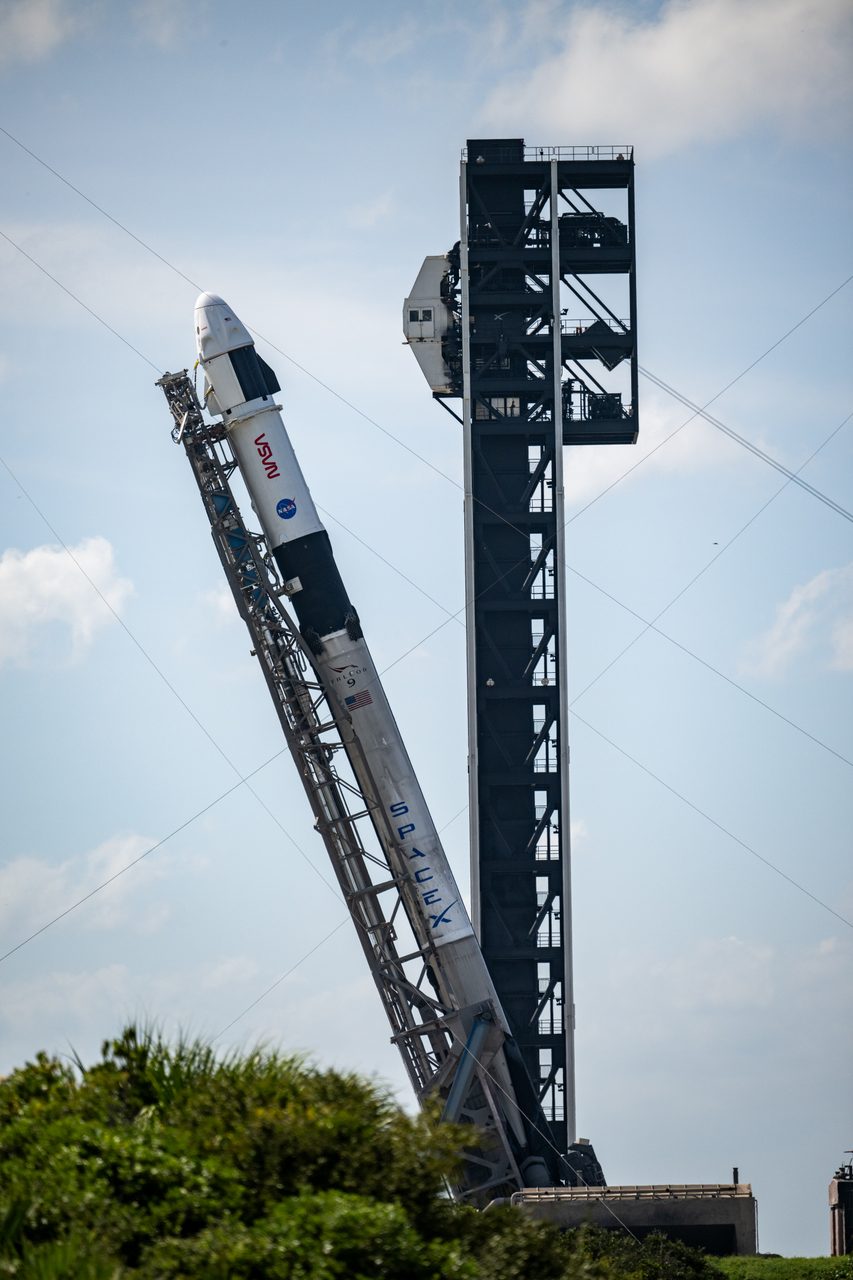
NASA has awarded launch services for the StarBurst Gamma-Ray Detector, a pivotal development in gamma-ray astronomy. The mission aims to explore high-energy cosmic phenomena, enhancing our understanding of the universe. Details of the launch provider and schedule are yet to be disclosed, but this marks a significant milestone for the project. For more on upcoming launches, visit the Orbital Radar launch schedule.
Starlink's Close Approaches
Starlink satellite 3107 experienced a close approach with OBJECT F, with a minimum distance of approximately 1.05 km. Such events highlight the growing challenges of satellite congestion in low Earth orbit (LEO). As of 18 September 2026, 9,839 Starlink satellites are operational, according to Orbital Radar tracking data. The total number of catalogued objects in orbit stands at 31,391, underscoring the importance of space situational awareness.
Starship's Future Missions
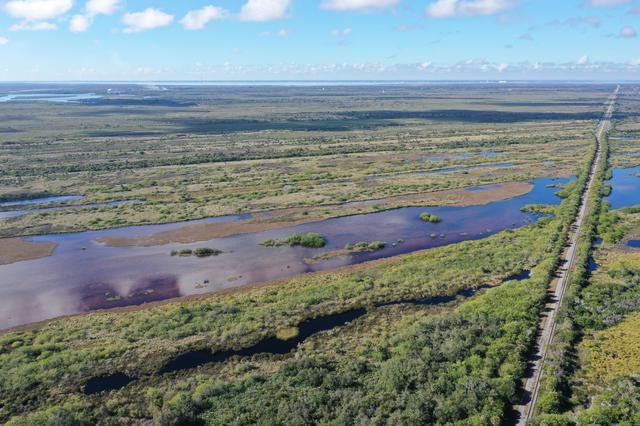
SpaceX's Starship is poised for several upcoming missions, though specific launch dates remain pending. The vehicle is central to SpaceX's plans for lunar and Martian exploration. The development of Starship continues to be closely watched, with its potential to revolutionise space travel. For details on SpaceX's recovery operations, see the Orbital Radar recovery fleet page.
What to Watch
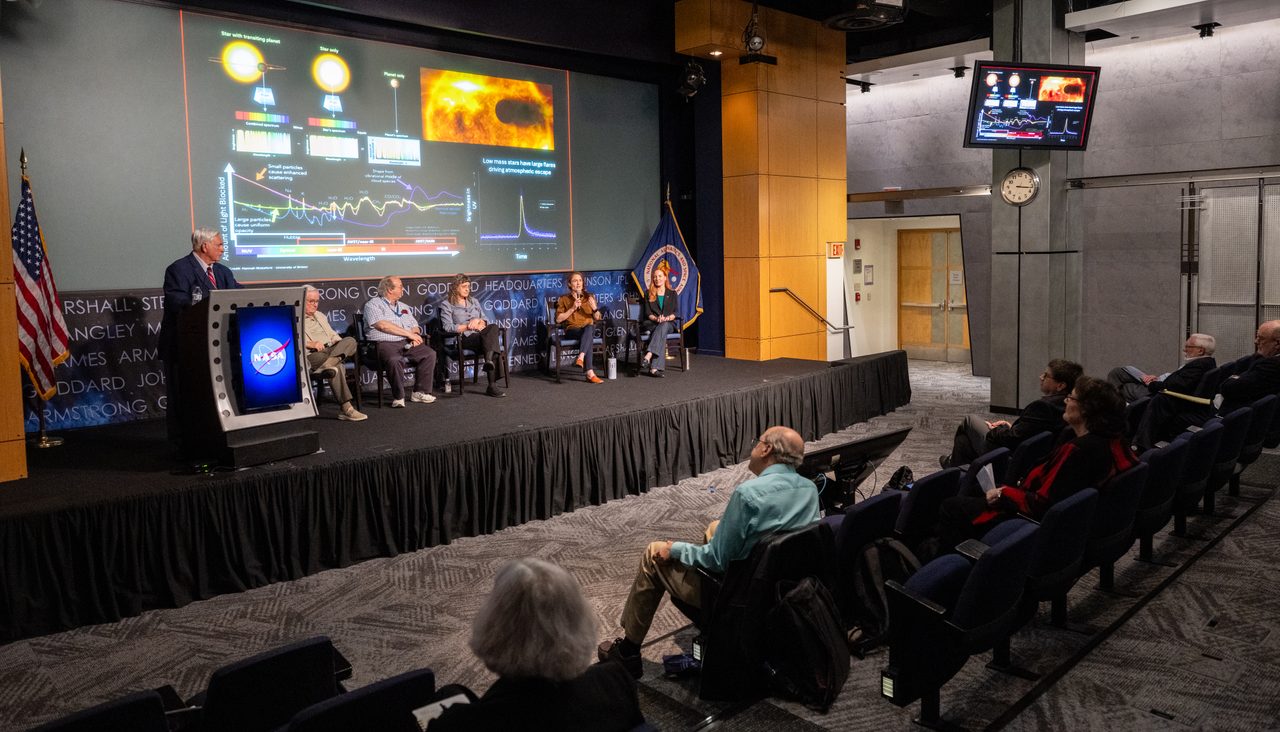
While no launches are scheduled for today, the space community is anticipating SpaceX’s 35th resupply mission to the International Space Station. NASA has invited media to cover this event, highlighting its significance. Additionally, researchers have developed a method to check the weather on exoplanets, which could transform our understanding of distant worlds. For a complete list of upcoming events, refer to the Orbital Radar launch schedule.
Frequently Asked Questions
What is the StarBurst Gamma-Ray Detector?
How many Starlink satellites are operational?
📎 Cite this article · data available
Orbital Radar Newsroom. (2026). NASA Awards Launch for StarBurst Gamma-Ray Detector. Orbital Radar. https://orbitalradar.com/blog/orbital-briefing-2026-09-18"NASA Awards Launch for StarBurst Gamma-Ray Detector." Orbital Radar, 18 September 2026, https://orbitalradar.com/blog/orbital-briefing-2026-09-18.@misc{orbitalradar_orbital_briefing_2026_09_18,
title = {NASA Awards Launch for StarBurst Gamma-Ray Detector},
author = {{Orbital Radar}},
year = {2026},
howpublished = {\url{https://orbitalradar.com/blog/orbital-briefing-2026-09-18}}
}