The Apollo Program: Humanity's First Steps on the Moon

The Apollo program was NASA's historic mission to land humans on the Moon, achieving this goal with Apollo 11 in 1969.
The Apollo program was a series of space missions conducted by NASA, with the primary goal of landing humans on the Moon and bringing them safely back to Earth. This ambitious endeavour culminated in the successful Apollo 11 mission in July 1969, when astronauts Neil Armstrong and Buzz Aldrin became the first humans to set foot on the lunar surface.
Origins and Objectives of the Apollo Program

Initiated in 1961, the Apollo program was a response to the Soviet Union's early successes in space exploration. President John F. Kennedy's famous speech set the ambitious goal of landing a man on the Moon before the end of the decade. The program aimed to demonstrate the United States' technological superiority and to achieve a series of scientific objectives, including the collection of lunar samples and the deployment of scientific instruments.
The Apollo Missions: A Chronological Overview
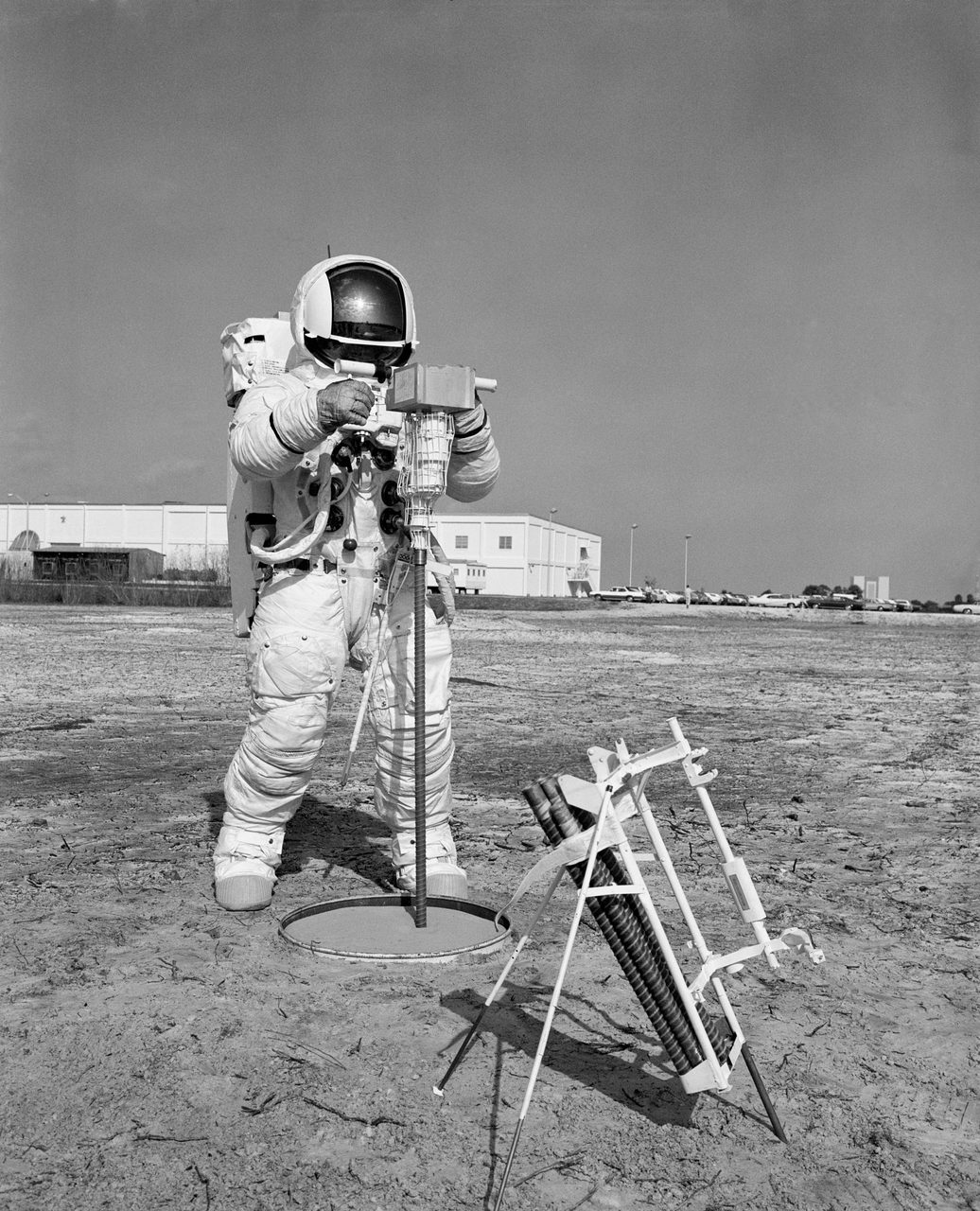
The Apollo program comprised 17 missions, with Apollo 1 tragically ending in a cabin fire during a pre-launch test in 1967. The first successful manned mission was Apollo 7 in 1968, which tested the Command and Service Module in Earth orbit. Apollo 8 followed, marking the first human orbit of the Moon. Apollo 11's historic landing occurred on July 20, 1969. Subsequent missions, notably Apollo 15, expanded scientific exploration with the use of the Lunar Roving Vehicle.
Technological Innovations and Challenges
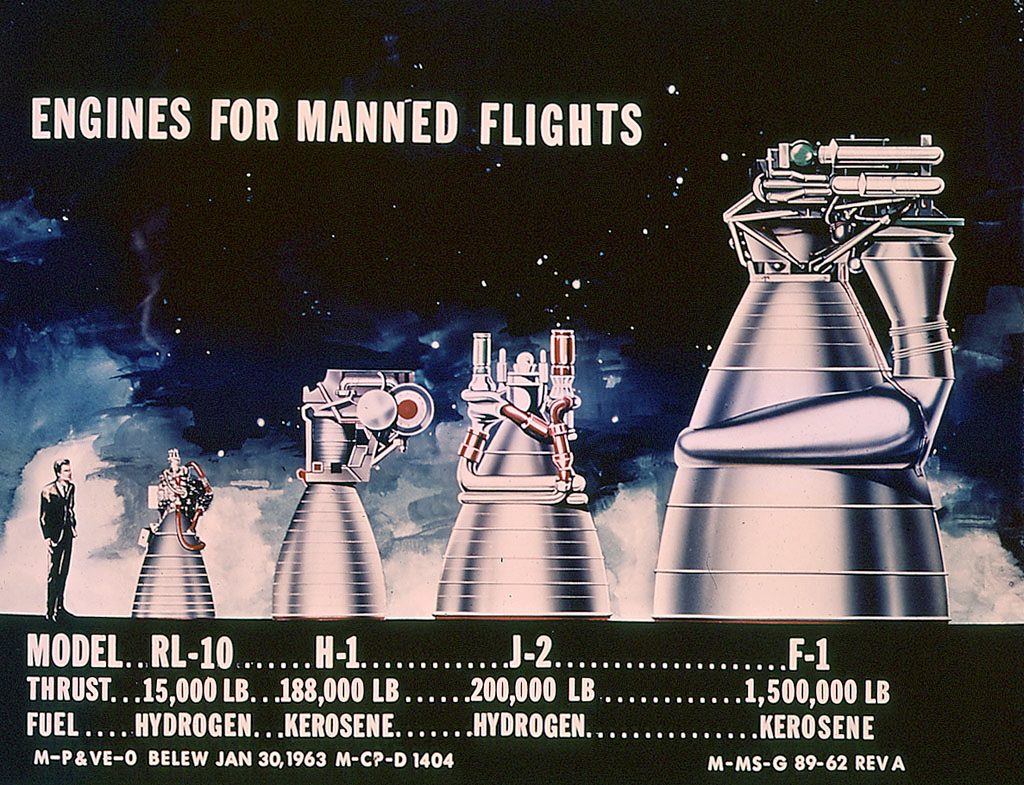
The Apollo program required significant technological advancements, including the development of the Saturn V launch vehicle, the most powerful rocket ever built. The Lunar Module, a two-stage spacecraft designed for lunar landing, was another critical innovation. Challenges included ensuring astronaut safety in the harsh lunar environment and developing the guidance and navigation systems necessary for precise lunar landings.
The Legacy of the Apollo Program
The Apollo program's legacy extends beyond its immediate scientific achievements. It inspired generations of scientists and engineers and laid the groundwork for future space exploration initiatives. The data and samples collected continue to provide valuable insights into the Moon's composition and history. The program also demonstrated the potential for international cooperation in space, influencing subsequent missions and collaborations.
Key Takeaways from the Apollo Program
The Apollo program was a monumental achievement in human history, showcasing what can be accomplished through determination and innovation. It provided a wealth of scientific knowledge and inspired future exploration missions. The program's success was a testament to the collaborative efforts of thousands of scientists, engineers, and astronauts.
Frequently Asked Questions
What was the main goal of the Apollo program?
How many Apollo missions landed on the Moon?
What were the main components of the Apollo spacecraft?
How did the Apollo program impact future space exploration?
What scientific discoveries resulted from the Apollo missions?
📎 Cite this article
Orbital Radar Newsroom. (2026). The Apollo Program: Humanity's First Steps on the Moon. Orbital Radar. https://orbitalradar.com/blog/apollo-program-guide"The Apollo Program: Humanity's First Steps on the Moon." Orbital Radar, 4 August 2026, https://orbitalradar.com/blog/apollo-program-guide.@misc{orbitalradar_apollo_program_guide,
title = {The Apollo Program: Humanity's First Steps on the Moon},
author = {{Orbital Radar}},
year = {2026},
howpublished = {\url{https://orbitalradar.com/blog/apollo-program-guide}}
}