Perseverance Rover: Mission, Discoveries, and Mars Sample Return

The Perseverance rover is exploring Mars to search for signs of past life and collect samples for future return to Earth.
The Perseverance rover, part of NASA's Mars 2020 mission, landed on Mars on 18 February 2021. It aims to seek signs of ancient life and collect rock and soil samples for possible return to Earth. The rover operates in the Jezero Crater, a site believed to have once hosted a lake, making it a prime location for finding signs of past microbial life.
What is the Perseverance Rover's Mission Objective?
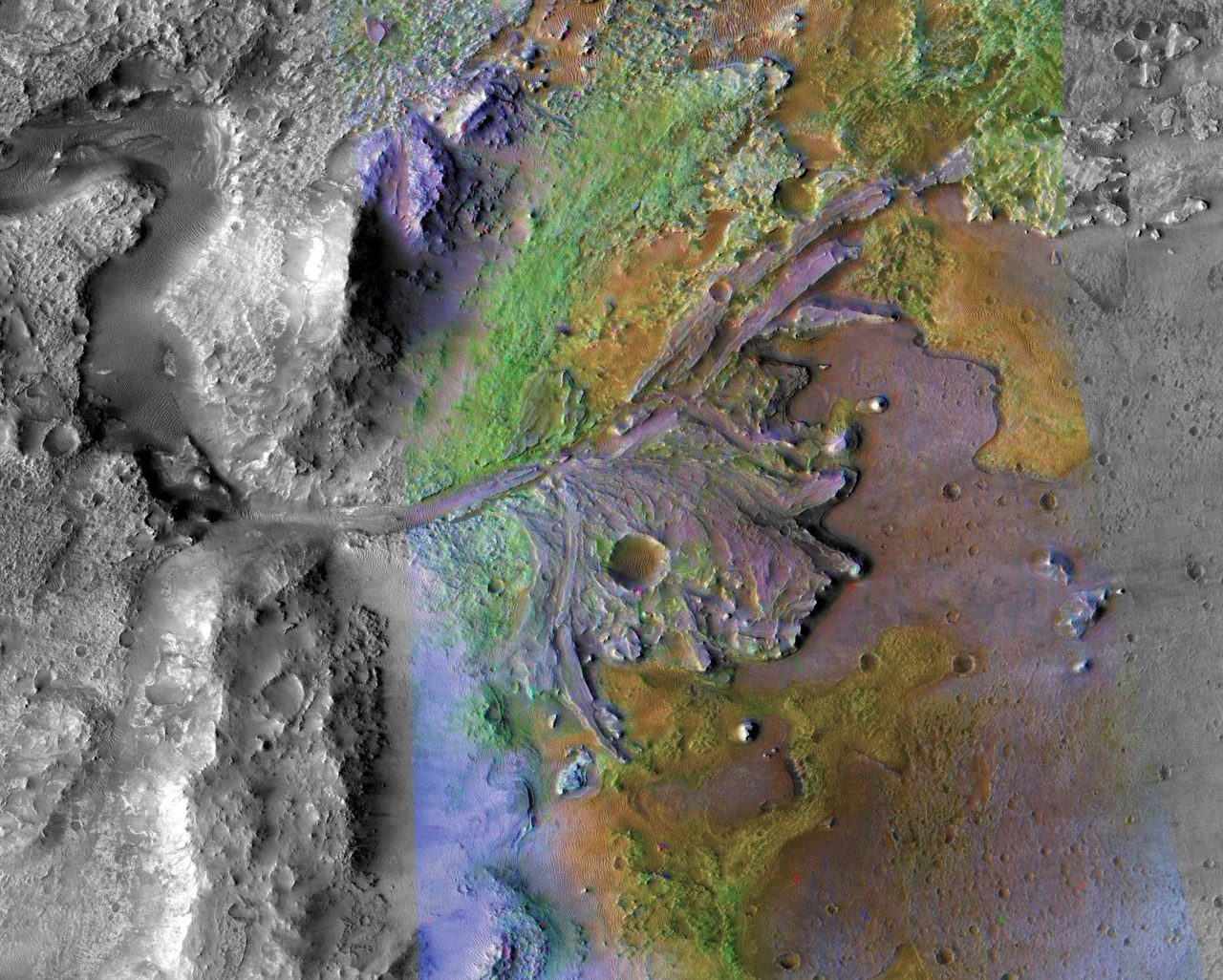
Perseverance's primary mission is astrobiology, including the search for signs of ancient microbial life. It also characterises the planet's geology and past climate, paving the way for human exploration. The rover's suite of scientific instruments is designed to gather data on Mars' habitability and to identify biosignatures in the rock and regolith (loose surface material).
How Does Perseverance Collect Samples?
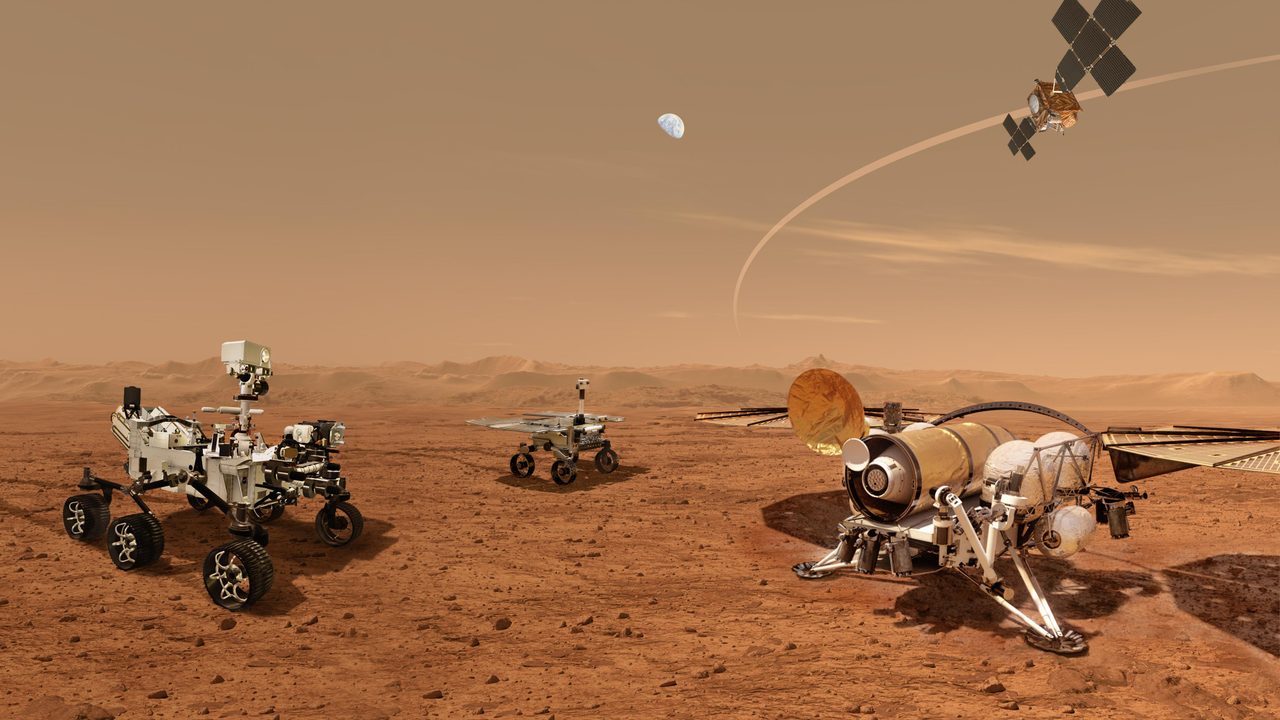
Perseverance is equipped with a drill and a complex sample caching system to collect core samples of Martian rock and soil. These samples are sealed in tubes and stored on the Martian surface for potential retrieval by future missions. The rover's sampling process is a critical step in the Mars Sample Return programme, which aims to bring these samples back to Earth for detailed analysis.
What Discoveries Has Perseverance Made?
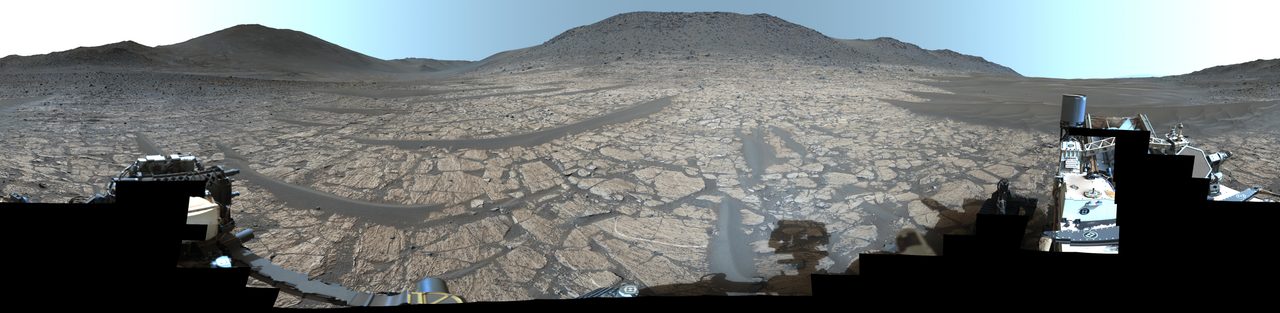
Since landing, Perseverance has made several significant discoveries, including identifying diverse rock types and detecting organic molecules. These findings suggest that the Jezero Crater once had conditions suitable for life. The rover's instruments, such as the SHERLOC (Scanning Habitable Environments with Raman & Luminescence for Organics & Chemicals), have been pivotal in these analyses.
How Does Perseverance's Technology Work?
Perseverance is a highly advanced rover, featuring a robust mobility system, autonomous navigation capabilities, and a sophisticated suite of scientific instruments. It is powered by a Multi-Mission Radioisotope Thermoelectric Generator (MMRTG), which provides a reliable energy source for its operations. The rover also carries the Ingenuity helicopter, which has successfully demonstrated powered flight on Mars.
What is the Mars Sample Return Mission?
The Mars Sample Return mission is a collaborative effort between NASA and the European Space Agency (ESA) to bring samples collected by Perseverance back to Earth. Scheduled for the 2030s, this mission involves a series of complex steps, including launching a retrieval spacecraft to Mars, collecting the cached samples, and returning them to Earth for laboratory analysis. This mission is expected to provide unprecedented insights into Mars' history and potential for life.
Key Takeaways
The Perseverance rover is a cornerstone of NASA's Mars exploration efforts, with its mission focused on astrobiology and sample collection. Its discoveries have already enhanced our understanding of Mars' past environments. The upcoming Mars Sample Return mission promises to further unravel the mysteries of the Red Planet, potentially answering the age-old question of whether life ever existed on Mars.
Frequently Asked Questions
What is the main purpose of the Perseverance rover?
How does the Perseverance rover navigate on Mars?
What instruments does the Perseverance rover carry?
When will the Mars Sample Return mission take place?
What has Perseverance discovered so far on Mars?
📎 Cite this article
Orbital Radar Newsroom. (2026). Perseverance Rover: Mission, Discoveries, and Mars Sample Return. Orbital Radar. https://orbitalradar.com/blog/perseverance-rover-mission-guide"Perseverance Rover: Mission, Discoveries, and Mars Sample Return." Orbital Radar, 7 June 2026, https://orbitalradar.com/blog/perseverance-rover-mission-guide.@misc{orbitalradar_perseverance_rover_mission_guide,
title = {Perseverance Rover: Mission, Discoveries, and Mars Sample Return},
author = {{Orbital Radar}},
year = {2026},
howpublished = {\url{https://orbitalradar.com/blog/perseverance-rover-mission-guide}}
}