Mars Rovers: From Sojourner to Perseverance
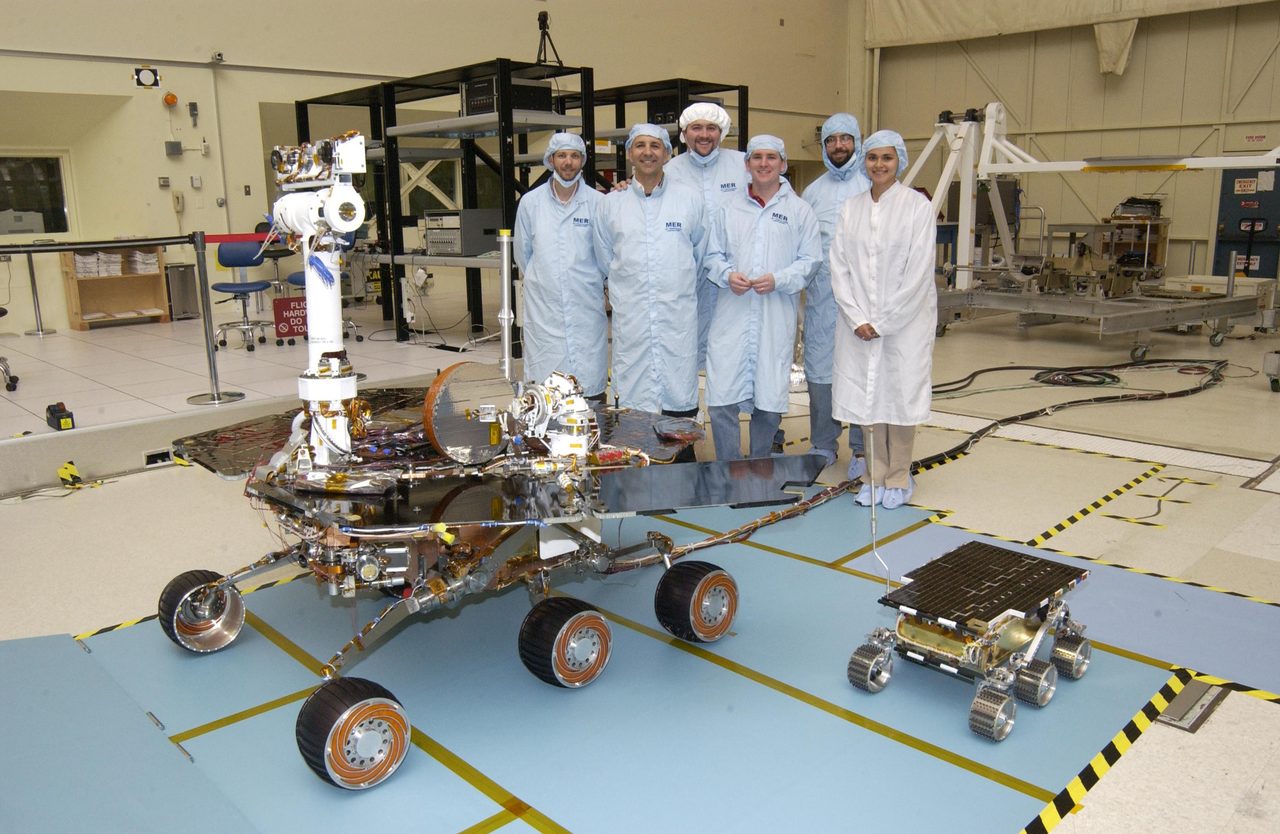
Mars rovers have been exploring the Red Planet since 1997, with missions like Sojourner and Perseverance providing vital data.
Mars rovers are robotic vehicles designed to explore the surface of Mars, providing invaluable data on the planet's geology and potential for past life. Since the first successful landing of Sojourner in 1997, these rovers have transformed our understanding of the Red Planet.
The Journey Begins: Sojourner
Launched on 4 December 1996 aboard the Mars Pathfinder mission, Sojourner became the first successful rover to operate on Mars. It landed on 4 July 1997 in the Ares Vallis region. Weighing just 11.5 kg, Sojourner's mission was to test technologies for future rovers and conduct scientific experiments. It operated for 83 Martian days (sols), far exceeding its planned seven-day mission.
Spirit and Opportunity: Twin Rovers
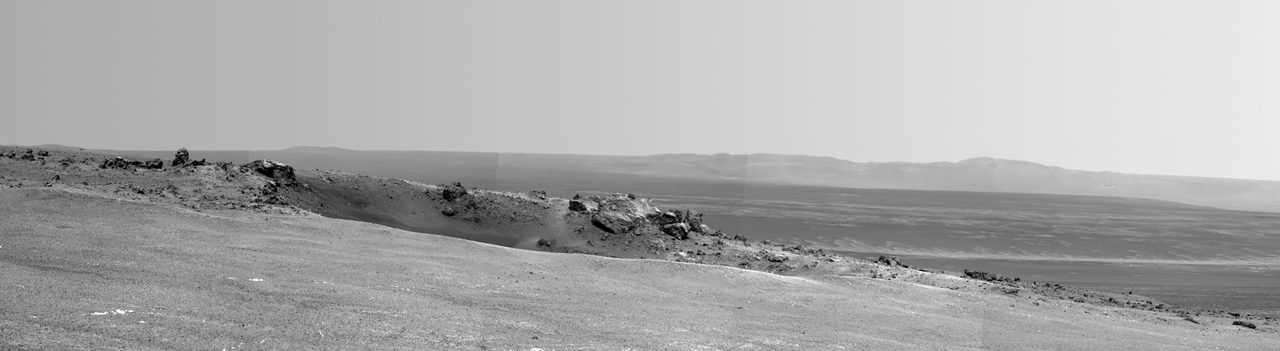
NASA's Mars Exploration Rovers, Spirit and Opportunity, were launched in 2003 to search for signs of past water activity on Mars. Spirit landed on 4 January 2004 in Gusev Crater, while Opportunity followed on 25 January 2004 in Meridiani Planum. Both rovers were designed for 90-sol missions but far outlasted their expected lifespans, with Opportunity operating until 2018. These rovers provided evidence of past water on Mars, with Opportunity discovering hematite spheres nicknamed 'blueberries'.
Curiosity: A Mobile Laboratory
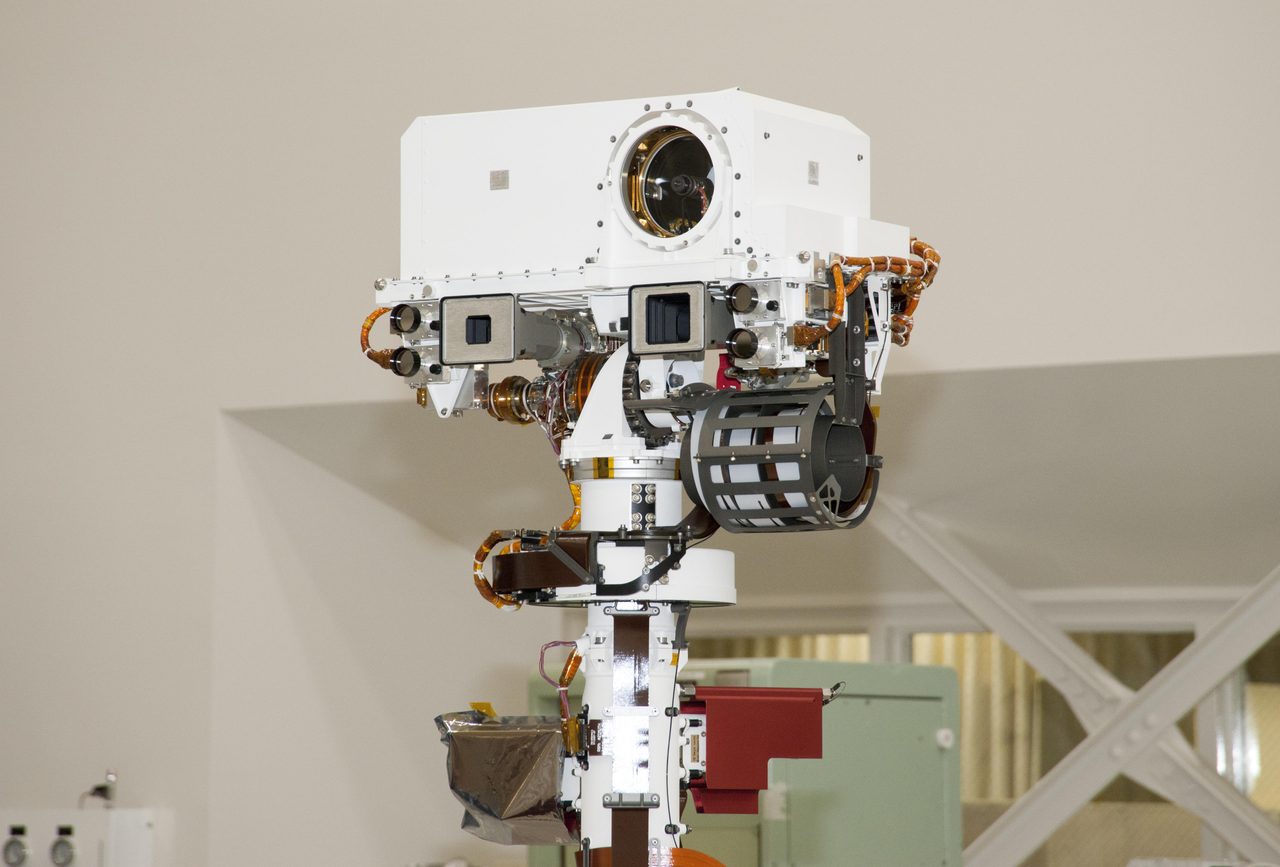
Curiosity, part of NASA's Mars Science Laboratory mission, landed on 6 August 2012 in Gale Crater. Unlike its predecessors, Curiosity is equipped with a suite of scientific instruments designed to assess Mars' habitability. As of 2026, Curiosity continues to explore, having travelled over 28 km. It has provided crucial insights into the planet's climate and geology, including the discovery of complex organic molecules.
Perseverance: The Search for Ancient Life
Launched on 30 July 2020, Perseverance landed in Jezero Crater on 18 February 2021. The rover's mission focuses on astrobiology, searching for signs of ancient microbial life and collecting samples for future return to Earth. Equipped with advanced instruments, Perseverance has already identified potential biosignatures and is preparing samples for a planned return mission. Its companion, the Ingenuity helicopter, has demonstrated powered flight on another planet.
Technological Innovations in Mars Rovers
Mars rovers have evolved significantly, incorporating advanced technologies to enhance their scientific capabilities. Key innovations include autonomous navigation systems, sophisticated scientific instruments, and robust power sources like the Multi-Mission Radioisotope Thermoelectric Generator (MMRTG) used by Curiosity and Perseverance. These advancements have enabled longer missions and more comprehensive data collection.
Key Takeaways
Mars rovers have been pivotal in advancing our understanding of the Red Planet. From Sojourner's modest beginnings to Perseverance's ambitious mission, each rover has contributed unique insights into Mars' past and present. As of 2026, Mars exploration continues to be a key focus for NASA and international partners, with future missions planned to build on these successes.
Frequently Asked Questions
What was the first rover on Mars?
How long did Opportunity operate on Mars?
What is the purpose of the Perseverance rover?
How does Curiosity differ from earlier Mars rovers?
What innovations have been made in Mars rover technology?
📎 Cite this article
Orbital Radar Newsroom. (2026). Mars Rovers: From Sojourner to Perseverance. Orbital Radar. https://orbitalradar.com/blog/mars-rovers-complete-history"Mars Rovers: From Sojourner to Perseverance." Orbital Radar, 6 June 2026, https://orbitalradar.com/blog/mars-rovers-complete-history.@misc{orbitalradar_mars_rovers_complete_history,
title = {Mars Rovers: From Sojourner to Perseverance},
author = {{Orbital Radar}},
year = {2026},
howpublished = {\url{https://orbitalradar.com/blog/mars-rovers-complete-history}}
}