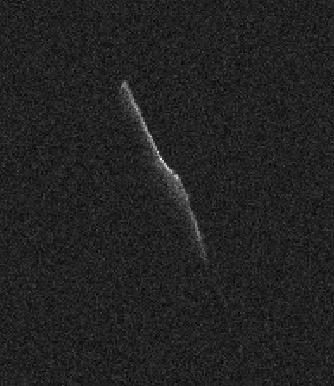
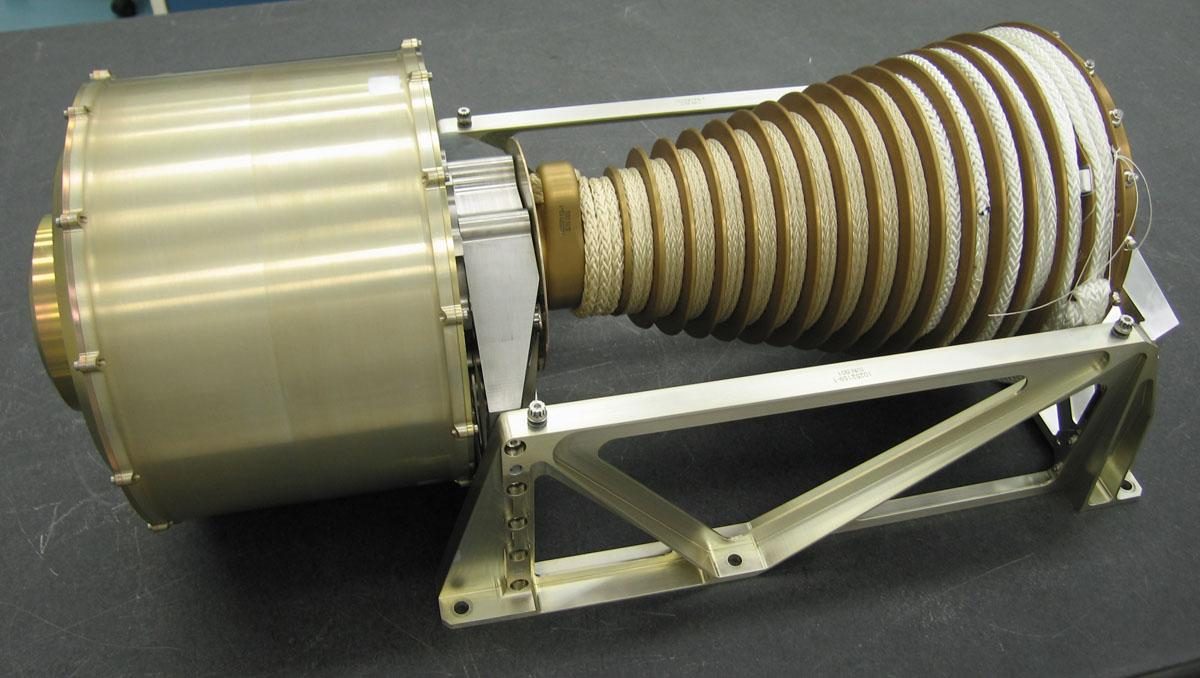
Understanding Planetary Defence: Strategies and Technologies

Planetary defence involves strategies and technologies to detect and mitigate potential asteroid impacts on Earth, ensuring global safety.
| Active satellites | 15,746 |
| Starlink active | 10,057 |
| Catalogued objects | 31,503 |
| Active close approaches | 19 |
| People in space | 14 |
Planetary defence refers to the strategies and technologies used to detect, track, and mitigate potential threats from near-Earth objects (NEOs), such as asteroids and comets, that could impact Earth. This field is crucial for safeguarding our planet from catastrophic events that have occurred in the past and could happen again. As of now, 19 active close approaches are being tracked, highlighting the ongoing need for vigilance.
What Are Near-Earth Objects (NEOs)?
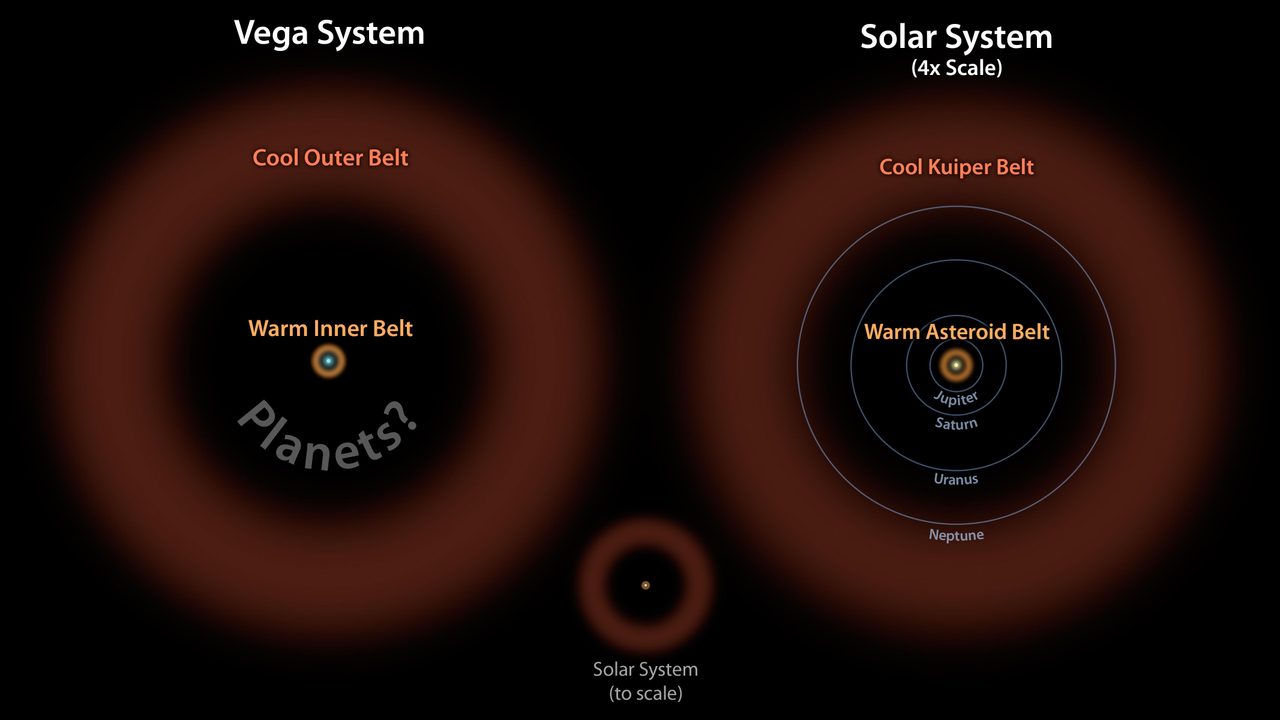
Near-Earth Objects (NEOs) are asteroids and comets with orbits that bring them close to Earth's orbit. These objects are categorised based on their potential threat level, with some classified as potentially hazardous objects (PHOs). According to Orbital Radar's live asteroid database, thousands of NEOs are tracked to assess their orbits and potential impact risks. Understanding their trajectories is key to planetary defence efforts.
How Does Planetary Defence Work?
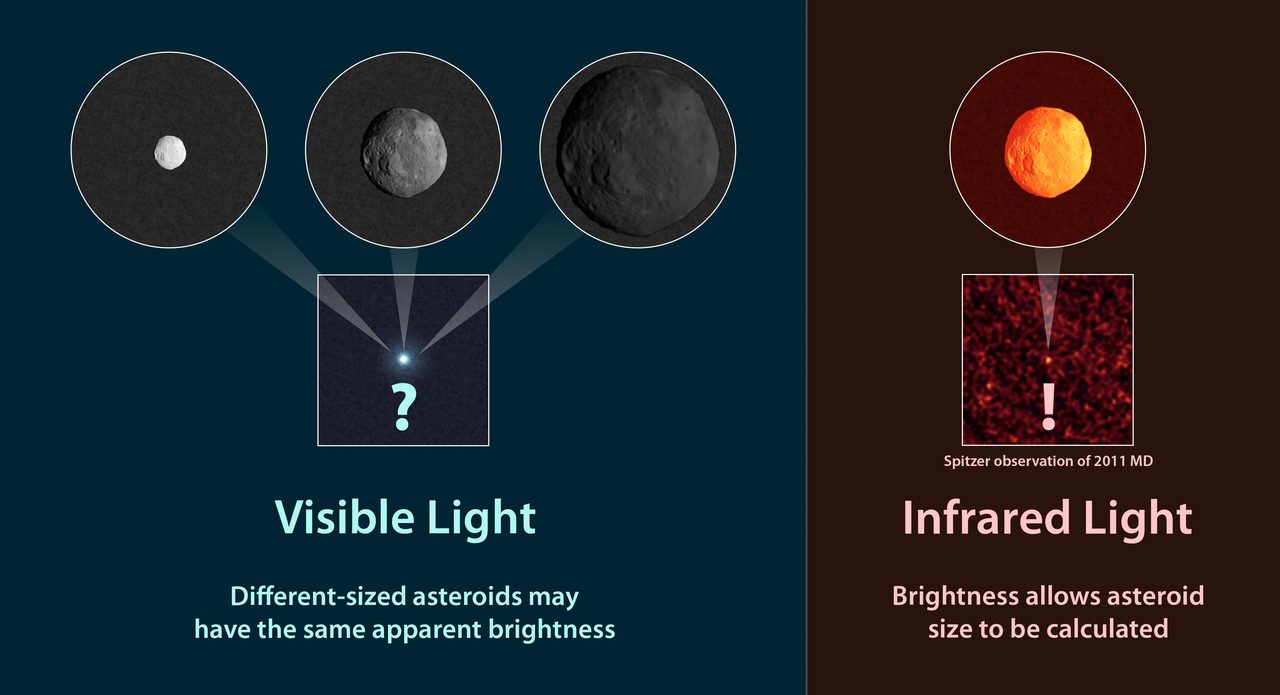
Planetary defence involves several key components: detection, tracking, characterisation, and mitigation. Detection is primarily conducted using ground-based telescopes and space-based observatories. Once detected, tracking systems calculate the orbits of NEOs to predict future positions. Characterisation involves determining the size, shape, mass, and composition of these objects. Mitigation strategies, such as deflection or disruption, are developed to prevent potential impacts.
Why Is Planetary Defence Important?
The importance of planetary defence cannot be overstated, as history has shown the devastating effects of asteroid impacts. The extinction of the dinosaurs is widely attributed to a massive asteroid impact 66 million years ago. Today, with over 31,503 objects tracked in orbit, including debris and rocket bodies, the need for planetary defence is evident. The potential for an undiscovered NEO to impact Earth remains a significant concern.
Planetary Defence Missions and Technologies
Several missions and technologies are at the forefront of planetary defence. NASA's DART (Double Asteroid Redirection Test) mission is a notable example, aiming to test the kinetic impactor technique by altering the trajectory of an asteroid. The European Space Agency's Hera mission will follow up on DART's impact to assess the results. These missions are part of a broader effort to develop effective strategies for asteroid deflection.
Key Takeaways
Planetary defence is a critical field that combines detection, tracking, and mitigation strategies to protect Earth from potential asteroid impacts. With 19 active close approaches currently monitored, the importance of continued vigilance and technological advancement is clear. Efforts by agencies like NASA and ESA are essential in developing effective defence mechanisms.
Frequently Asked Questions
What is the purpose of planetary defence?
How many near-Earth objects are currently tracked?
What are potentially hazardous objects?
How does the DART mission contribute to planetary defence?
Why is tracking space debris important for planetary defence?
📎 Cite this article · data available
Orbital Radar Newsroom. (2026). Understanding Planetary Defence: Strategies and Technologies. Orbital Radar. https://orbitalradar.com/blog/planetary-defence-explainer"Understanding Planetary Defence: Strategies and Technologies." Orbital Radar, 6 October 2026, https://orbitalradar.com/blog/planetary-defence-explainer.@misc{orbitalradar_planetary_defence_explainer,
title = {Understanding Planetary Defence: Strategies and Technologies},
author = {{Orbital Radar}},
year = {2026},
howpublished = {\url{https://orbitalradar.com/blog/planetary-defence-explainer}}
}