Starlink Direct-to-Cell: Comprehensive Guide and Analysis
Starlink's direct-to-cell service aims to connect mobile devices directly via satellites, revolutionising global connectivity.
| Active satellites | 15,782 |
| Starlink active | 10,061 |
| Catalogued objects | 31,444 |
| Active close approaches | 19 |
| People in space | 10 |
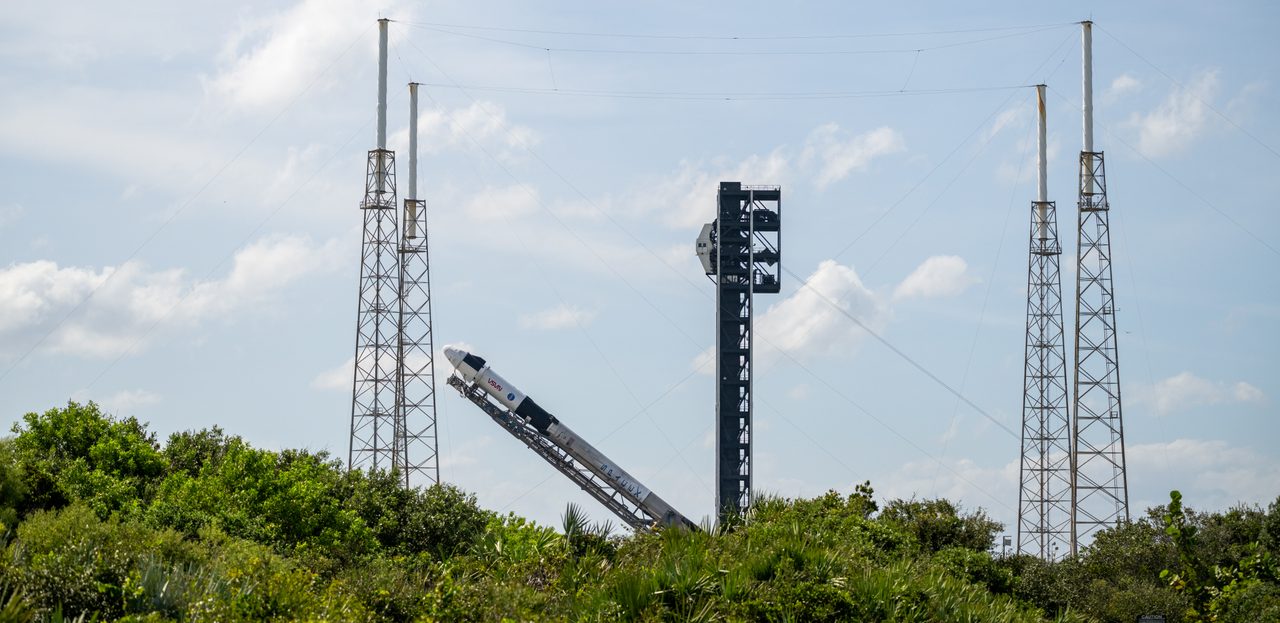
Starlink's direct-to-cell service represents a significant advancement in telecommunications, allowing mobile devices to connect directly to satellites without intermediary ground stations. This technology leverages SpaceX's expansive Starlink satellite constellation, which as of now includes 10,061 operational satellites according to Orbital Radar's live catalogue. This service promises to extend connectivity to remote and underserved areas globally.
How Does Starlink Direct-to-Cell Work?
The direct-to-cell technology involves equipping satellites with specialised antennas capable of communicating directly with mobile phones. This bypasses the need for traditional cell towers, using the Starlink satellites' low Earth orbit (LEO) positions to provide coverage. Each satellite orbits at altitudes between 540 km and 570 km, offering low latency communication. The system is designed to integrate seamlessly with existing mobile networks, enhancing coverage in areas where terrestrial infrastructure is lacking.
Why Does Starlink Direct-to-Cell Matter?
This technology is crucial for bridging the digital divide, particularly in remote regions where building infrastructure is challenging and costly. By utilising the Starlink constellation, which has 10,061 operational satellites, SpaceX aims to provide reliable internet and communication services worldwide. The ability to connect directly to satellites could revolutionise emergency response, remote work, and education by ensuring connectivity in areas previously considered unreachable.
Starlink Direct-to-Cell vs Traditional Mobile Networks
Traditional mobile networks rely heavily on ground-based infrastructure, including cell towers and fibre optic cables, which can be expensive to deploy and maintain. In contrast, Starlink's direct-to-cell service uses a network of satellites in LEO, reducing the need for extensive ground infrastructure. This not only lowers costs but also accelerates deployment in hard-to-reach areas. The service is particularly advantageous in disaster-stricken regions where terrestrial infrastructure may be damaged or destroyed.
Challenges and Limitations

While promising, the direct-to-cell approach faces technical and regulatory challenges. The technology requires precise satellite positioning and robust signal processing to maintain reliable connections. Additionally, regulatory approvals are necessary for operating satellite-based mobile services in various countries. SpaceX must also address potential interference with existing services and ensure that the satellite network can handle high demand without degradation in service quality.
Future Prospects and Developments
Looking ahead, SpaceX plans to expand its Starlink constellation further, with thousands more satellites anticipated. This expansion will enhance coverage and capacity, making the direct-to-cell service more robust and widely available. As of now, 7,579 V2 Mini satellites have been launched, which are expected to improve service capabilities. Continuous advancements in satellite technology and miniaturisation will likely drive further improvements in service efficiency and cost-effectiveness.
Key Takeaways
Starlink's direct-to-cell service is set to transform global telecommunications by providing satellite-based mobile connectivity. With over 10,000 operational satellites, the service aims to extend internet access to underserved regions, offering significant benefits for remote communities. Despite challenges, the potential for improved global connectivity and emergency response capabilities is substantial.
Frequently Asked Questions
How many Starlink satellites are currently operational?
What is the altitude of Starlink satellites?
How does Starlink direct-to-cell differ from traditional mobile networks?
What are the challenges of implementing Starlink direct-to-cell service?
What are the benefits of Starlink's direct-to-cell service?
📎 Cite this article · data available
Orbital Radar Newsroom. (2026). Starlink Direct-to-Cell: Comprehensive Guide and Analysis. Orbital Radar. https://orbitalradar.com/blog/starlink-direct-to-cell-explainer"Starlink Direct-to-Cell: Comprehensive Guide and Analysis." Orbital Radar, 13 October 2026, https://orbitalradar.com/blog/starlink-direct-to-cell-explainer.@misc{orbitalradar_starlink_direct_to_cell_explainer,
title = {Starlink Direct-to-Cell: Comprehensive Guide and Analysis},
author = {{Orbital Radar}},
year = {2026},
howpublished = {\url{https://orbitalradar.com/blog/starlink-direct-to-cell-explainer}}
}