This Week in Orbit: October 9, 2026

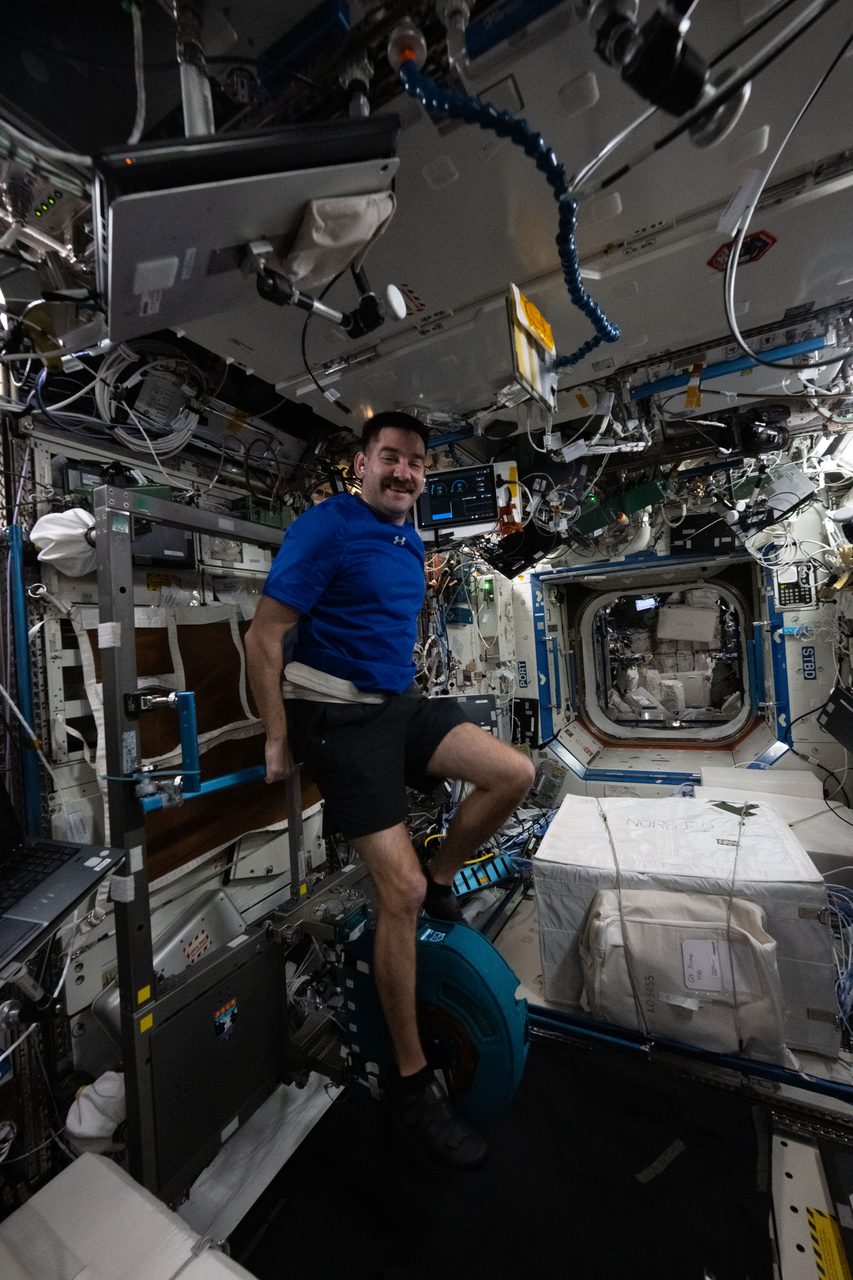
This week saw a significant return from space as ESA astronaut Sophie Adenot successfully completed her mission aboard the International Space Station (ISS), splashing down safely back on Earth. This marks a milestone for ESA's continued collaboration on the ISS.
| Active satellites | 15,790 |
| Starlink active | 10,064 |
| Catalogued objects | 31,520 |
| Predicted re-entries | 11 |
| Active close approaches | 17 |
| People in space | 10 |
Week Overview
This week saw a significant return from space as ESA astronaut Sophie Adenot successfully completed her mission aboard the International Space Station (ISS), splashing down safely back on Earth. This marks a milestone for ESA's continued collaboration on the ISS. Meanwhile, NASA's James Webb Space Telescope provided insights into 'extreme debris disks', offering a glimpse into the early solar system's formation processes. On the ground, NASA's Earth observation satellites captured the extent of floodwaters overwhelming Thailand, highlighting the ongoing impact of climate change.
Launch Activity
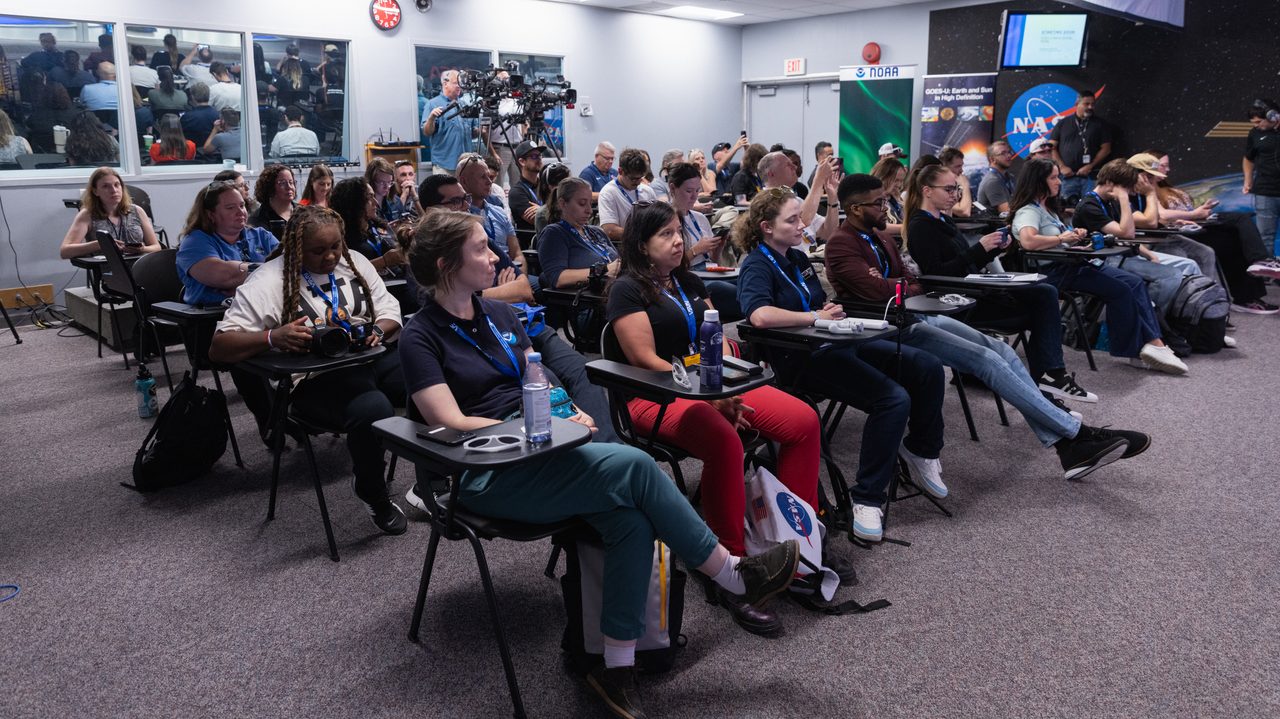
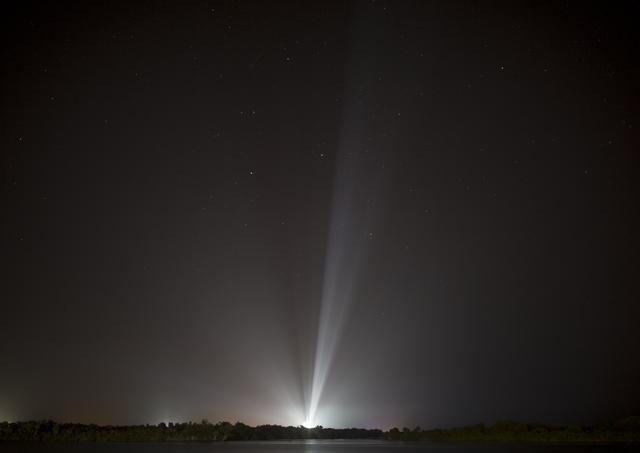
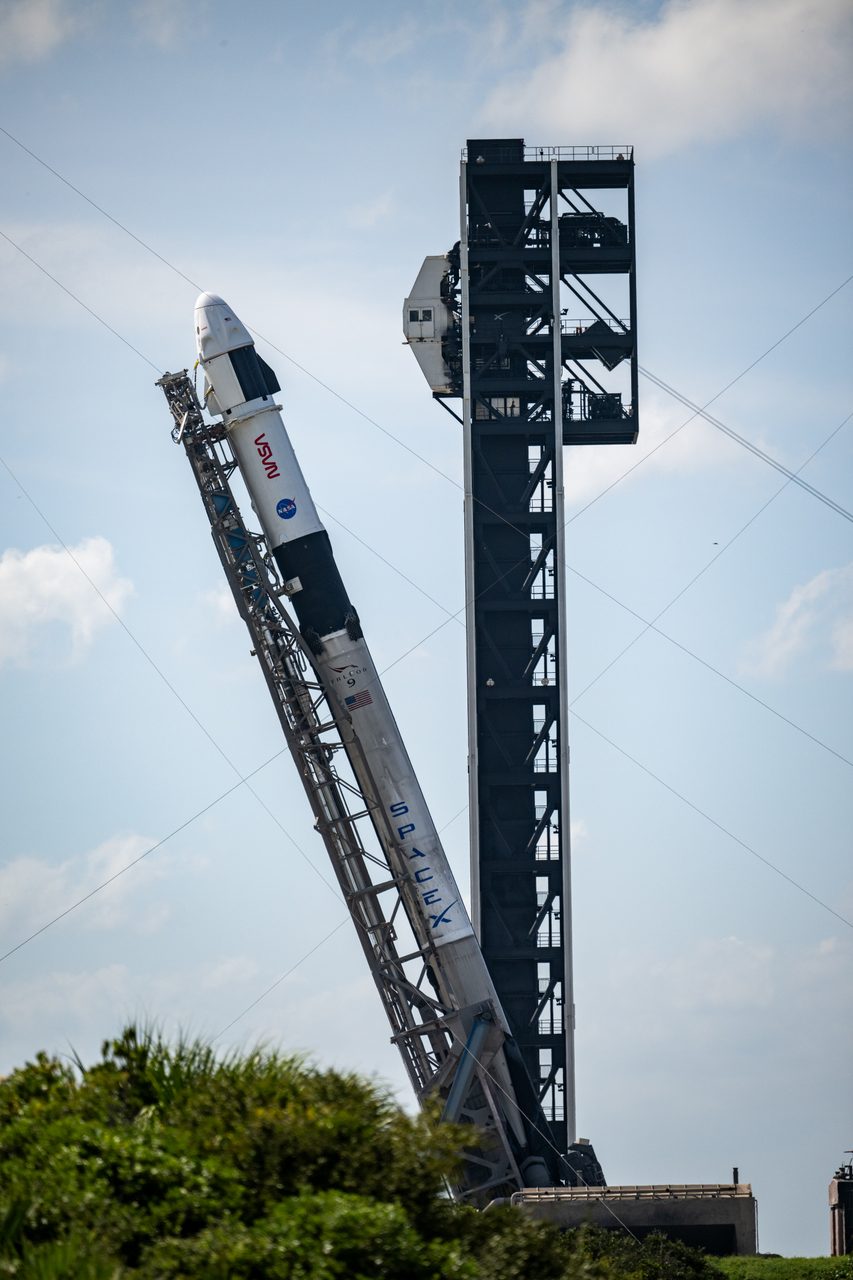
This week was notably quiet in terms of launch activity, with no new launches recorded. However, SpaceX's recent launch of 21 data satellites for the Space Development Agency remains a focal point, reflecting the ongoing expansion of satellite constellations. Orbital Radar's Launch Schedule can be checked for upcoming missions and potential launch windows.
Orbital Events

A series of close approaches were tracked this week, with the closest being between PRC Test Spacecraft 4 and Object H, coming within 0.00 km of each other. Such events underscore the growing congestion in low Earth orbit (LEO), where 15,790 active satellites are currently in operation. Orbital Radar's Debris Map provides a real-time view of these interactions. Additionally, the total number of catalogued objects, including debris, reached 31,520.
Space Weather
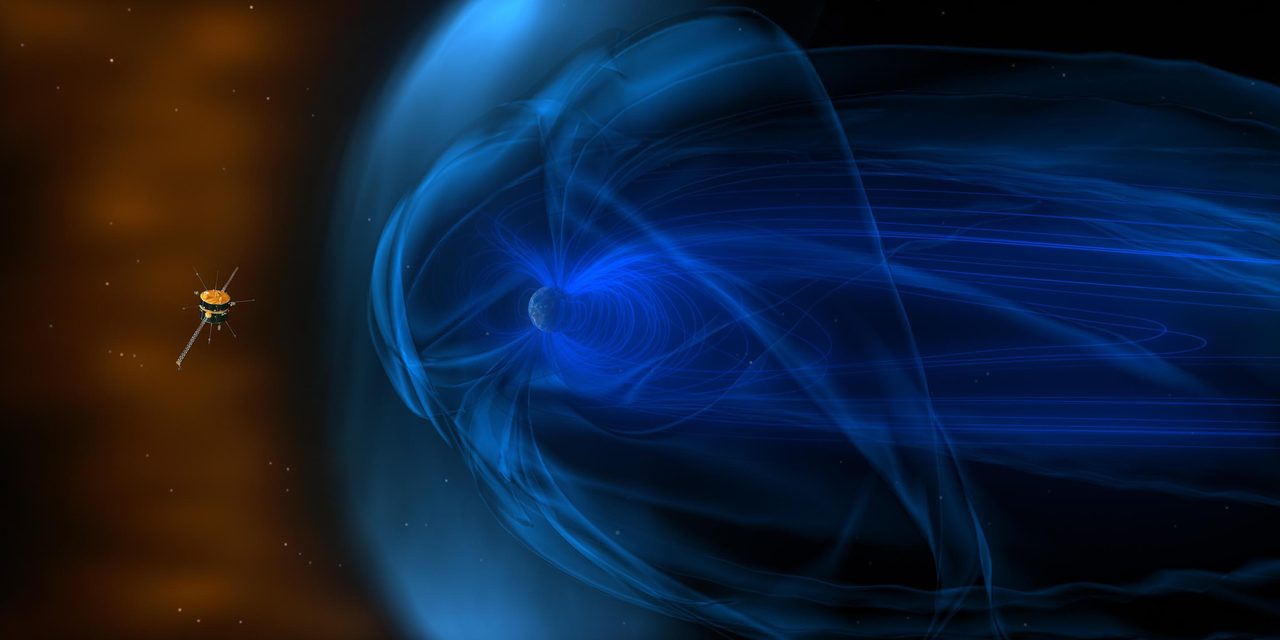
Space weather conditions remained relatively stable this week, with a Kp index of 0 indicating low geomagnetic activity. However, solar wind speeds peaked at 535 km/s, with a density of 0.8 particles per cubic centimetre. These conditions pose a 'yellow' risk level for LEO operations, as per Orbital Radar's space situational awareness tools. The ISS and geostationary orbits remain unaffected, with 'green' risk levels.
Notable Satellites
Starlink continues to dominate LEO with 10,064 active satellites, as tracked by Orbital Radar's Starlink Tracker. The constellation's expansion is part of a broader trend, with 11,130 total Starlink launches to date. Meanwhile, the discovery of variable water clouds on brown dwarfs by NASA's SPHEREx mission showcases the potential for groundbreaking discoveries beyond our solar system.
Looking Ahead
As we look forward, NASA is engaging with US industry to develop commercial space stations, marking a significant shift towards private sector involvement in space habitation. Blue Origin's progress on the LC-36 rebuild for the New Glenn rocket hints at a year-end return to flight, which could reshape the commercial launch landscape. For those interested in upcoming celestial events, Orbital Radar's Eclipse Tracker provides detailed information on future solar eclipses, including the total solar eclipse on 2 August 2027.
📎 Cite this article · data available
Orbital Radar Newsroom. (2026). This Week in Orbit: October 9, 2026. Orbital Radar. https://orbitalradar.com/blog/this-week-in-orbit-2026-10-09"This Week in Orbit: October 9, 2026." Orbital Radar, 13 October 2026, https://orbitalradar.com/blog/this-week-in-orbit-2026-10-09.@misc{orbitalradar_this_week_in_orbit_2026_10_09,
title = {This Week in Orbit: October 9, 2026},
author = {{Orbital Radar}},
year = {2026},
howpublished = {\url{https://orbitalradar.com/blog/this-week-in-orbit-2026-10-09}}
}