Terra: NASA's Flagship Earth Observing System Platform

Launched on 18 December 1999, Terra is a cornerstone of NASA's Earth Observing System (EOS), designed to monitor and understand key aspects of the Earth's climate and environmental systems. The satellite carries a suite of scientific instruments aimed at collecting data on the atmosphere, land, and
Introduction to Terra
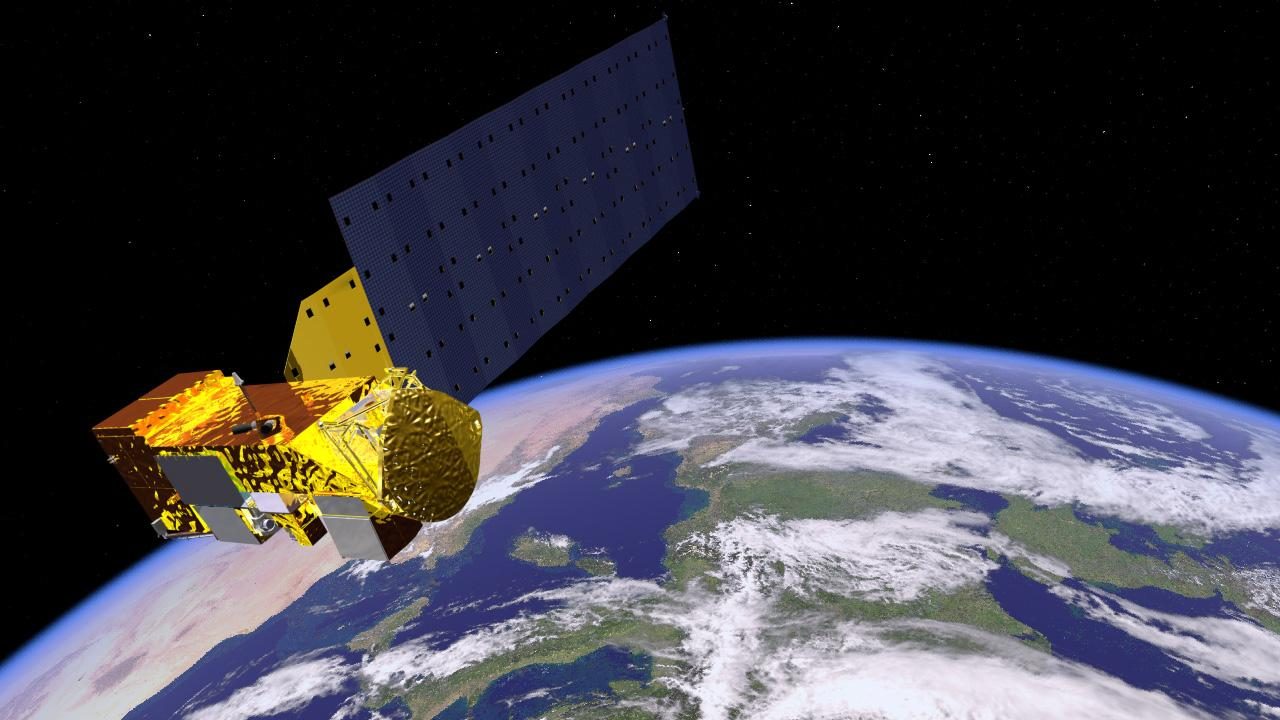
Launched on 18 December 1999, Terra is a cornerstone of NASA's Earth Observing System (EOS), designed to monitor and understand key aspects of the Earth's climate and environmental systems. The satellite carries a suite of scientific instruments aimed at collecting data on the atmosphere, land, and oceans, providing insights into the planet's changing climate and ecosystems.
Mission and Purpose
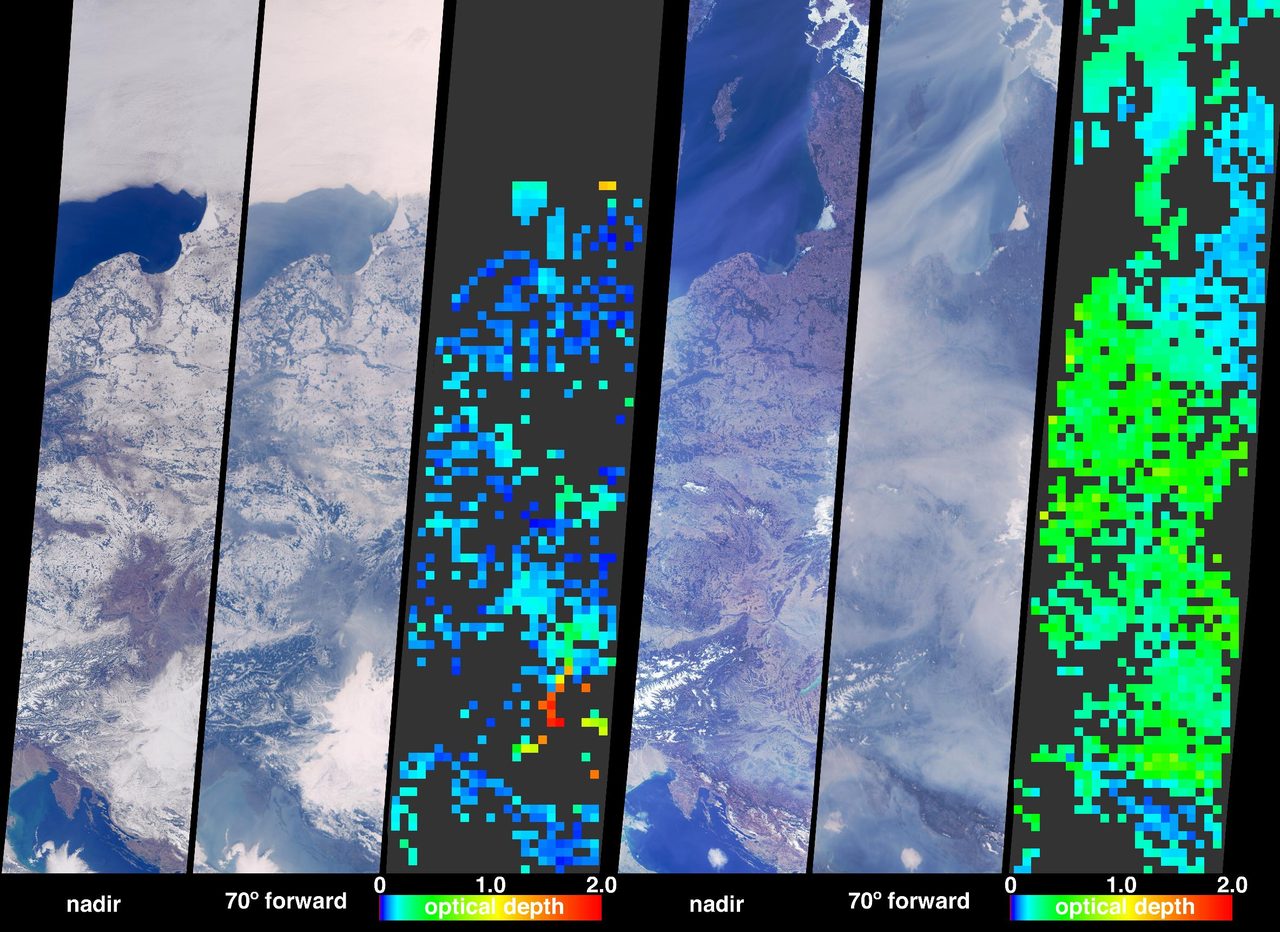
Terra's mission is to study the interactions among the Earth's atmosphere, land, snow and ice, ocean, and energy balance. It carries five key instruments: ASTER, CERES, MISR, MODIS, and MOPITT. These instruments gather data on surface temperature, cloud cover, aerosol concentrations, and more, contributing to our understanding of climate change and aiding in environmental policy decisions.
Orbital Characteristics
Terra operates in a sun-synchronous orbit, which allows it to pass over the same region at roughly the same local solar time. This orbit has an altitude of approximately 705 kilometres and an inclination of 98.2 degrees. Terra completes an orbit around the Earth every 99 minutes. Its NORAD ID is 25994, and its orbit ensures consistent lighting conditions for its observations.
Significance and Legacy
Since its launch, Terra has been pivotal in advancing our understanding of Earth's climate and environmental systems. The data collected by Terra has been used in thousands of scientific studies, influencing climate models and environmental policies worldwide. Terra's legacy is its contribution to a deeper understanding of the Earth's complex systems and the changes they are undergoing.
Current Status
As of 2023, Terra remains operational, continuing to provide valuable data to scientists and researchers. Although its mission was initially planned for six years, Terra has exceeded expectations, operating for over two decades. The satellite's ongoing contributions can be tracked through the Orbital Radar Satellite Library, which provides updates on its status and data availability.
📎 Cite this article
Orbital Radar Newsroom. (2026). Terra: NASA's Flagship Earth Observing System Platform. Orbital Radar. https://orbitalradar.com/blog/terra-nasa-earth-observing-system"Terra: NASA's Flagship Earth Observing System Platform." Orbital Radar, 17 July 2026, https://orbitalradar.com/blog/terra-nasa-earth-observing-system.@misc{orbitalradar_terra_nasa_earth_observing_system,
title = {Terra: NASA's Flagship Earth Observing System Platform},
author = {{Orbital Radar}},
year = {2026},
howpublished = {\url{https://orbitalradar.com/blog/terra-nasa-earth-observing-system}}
}