Satellite Spotlight: Sentinel-6 — Measuring Sea Level from Orbit
Sentinel-6, also known as Jason-CS (Continuity of Service), is a collaborative mission between NASA, the European Space Agency (ESA), EUMETSAT, and NOAA. Launched on 21 November 2020, Sentinel-6 Michael Freilich is the first of two identical satellites designed to measure sea level changes with unpr
Introduction to Sentinel-6
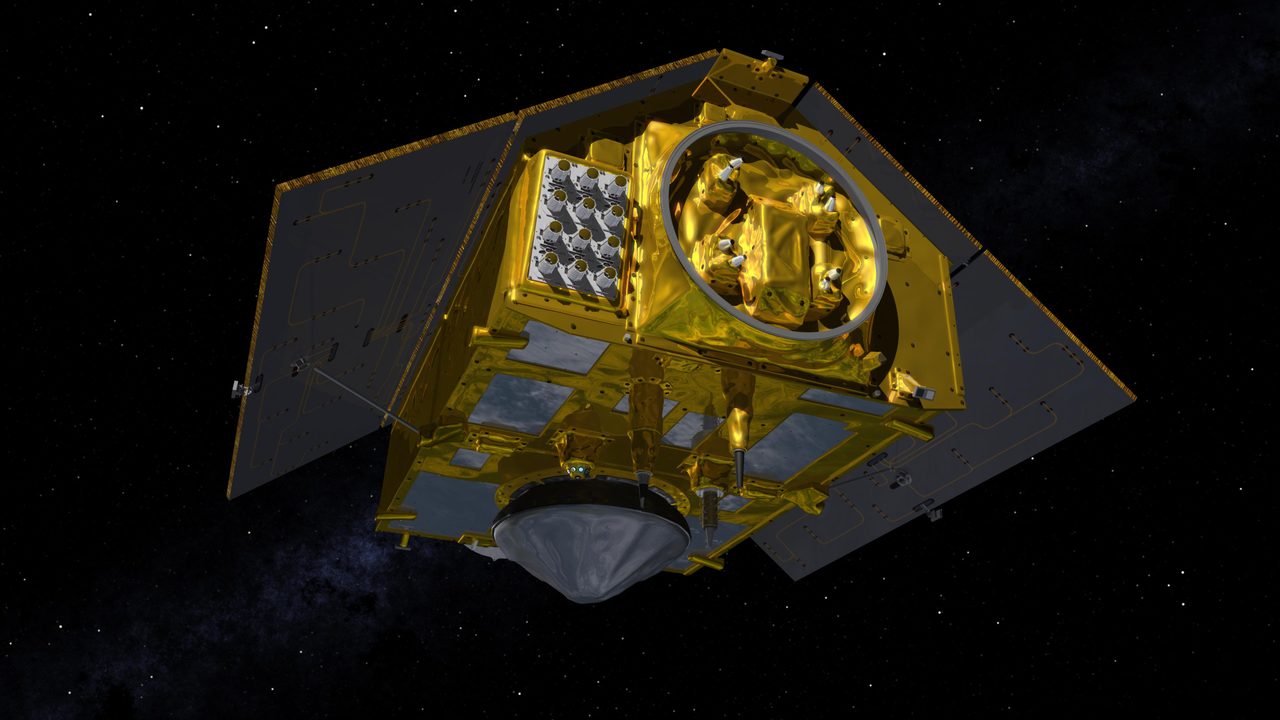
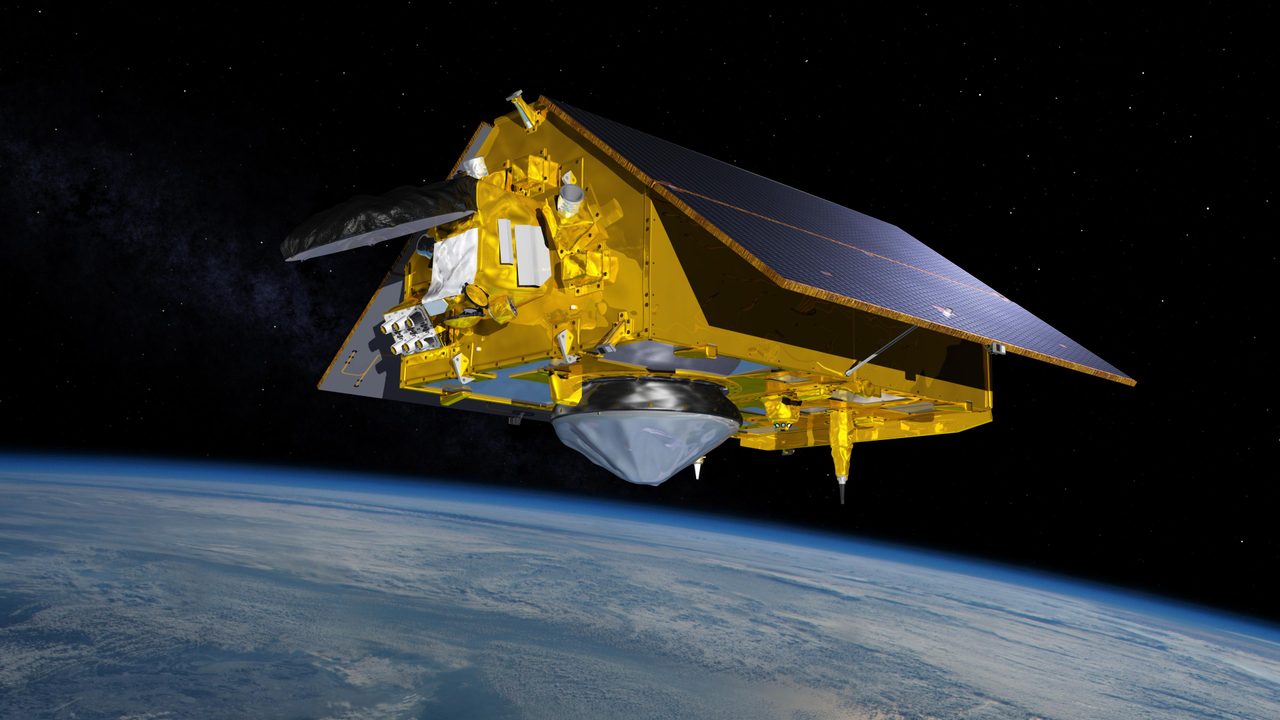
Sentinel-6, also known as Jason-CS (Continuity of Service), is a collaborative mission between NASA, the European Space Agency (ESA), EUMETSAT, and NOAA. Launched on 21 November 2020, Sentinel-6 Michael Freilich is the first of two identical satellites designed to measure sea level changes with unprecedented accuracy. Named after the former director of NASA's Earth Science Division, this satellite continues the legacy of the Jason series of ocean altimetry missions.
Mission and Purpose
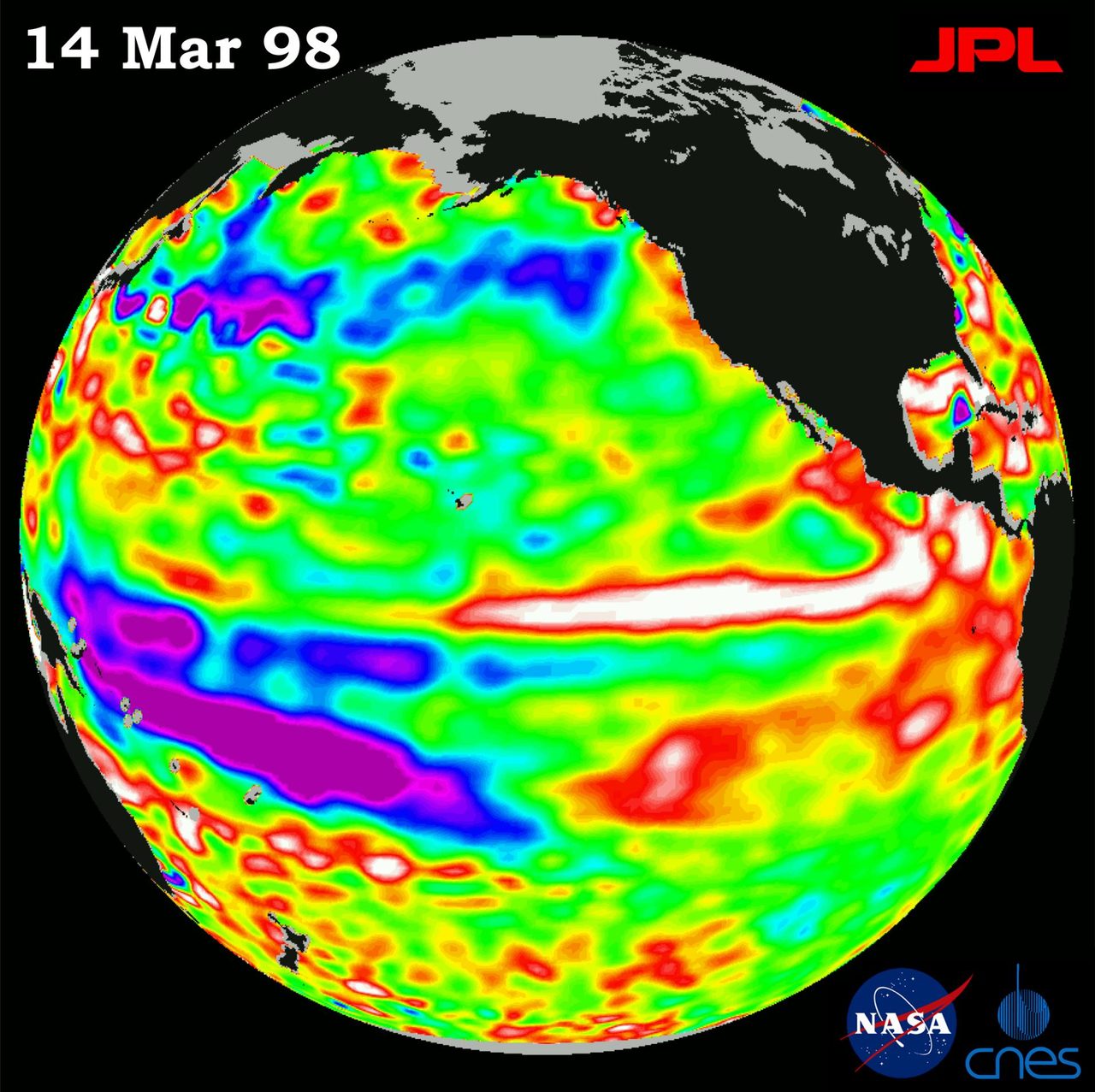
The primary objective of Sentinel-6 is to monitor global sea level rise, a critical indicator of climate change. By measuring the height of the ocean surface, the satellite provides data essential for climate research, weather forecasting, and oceanography. Sentinel-6 carries a radar altimeter that emits microwave pulses towards the Earth's surface and measures the time it takes for the signals to return, allowing for precise calculations of sea surface height.
Orbital Characteristics
Sentinel-6 operates in a non-synchronous low Earth orbit with an altitude of approximately 1,336 kilometres and an inclination of 66 degrees. This orbit allows it to cover 95% of the Earth's ice-free ocean every 10 days. The satellite has a NORAD ID of 46984 and completes an orbit roughly every 112 minutes. Such an orbit ensures comprehensive data collection and continuity with previous missions in the Jason series.
Significance and Legacy
Sentinel-6 builds on the success of its predecessors, the Jason-1, Jason-2, and Jason-3 missions, which have collectively provided over two decades of sea level data. This continuity is vital for detecting long-term trends in sea level rise, which is a key indicator of global warming. The data from Sentinel-6 supports international efforts to understand and mitigate the impacts of climate change, contributing to the IPCC's assessments and national climate policies.
Current Status and Future Plans
As of now, Sentinel-6 Michael Freilich is fully operational and continues to deliver high-quality data to scientists and policymakers worldwide. The second satellite, Sentinel-6B, is scheduled for launch in 2025 to ensure the mission's continuity. For those interested in tracking its current orbit and data outputs, Sentinel-6 is featured in the Orbital Radar Satellite Library, where its real-time position and pass predictions can be accessed.
📎 Cite this article
Orbital Radar Newsroom. (2026). Satellite Spotlight: Sentinel-6 — Measuring Sea Level from Orbit. Orbital Radar. https://orbitalradar.com/blog/sentinel-6-measuring-sea-level-from-orbit"Satellite Spotlight: Sentinel-6 — Measuring Sea Level from Orbit." Orbital Radar, 29 August 2026, https://orbitalradar.com/blog/sentinel-6-measuring-sea-level-from-orbit.@misc{orbitalradar_sentinel_6_measuring_sea_level_from_orbi,
title = {Satellite Spotlight: Sentinel-6 — Measuring Sea Level from Orbit},
author = {{Orbital Radar}},
year = {2026},
howpublished = {\url{https://orbitalradar.com/blog/sentinel-6-measuring-sea-level-from-orbit}}
}