Intelsat: The Geostationary Communications Pioneer
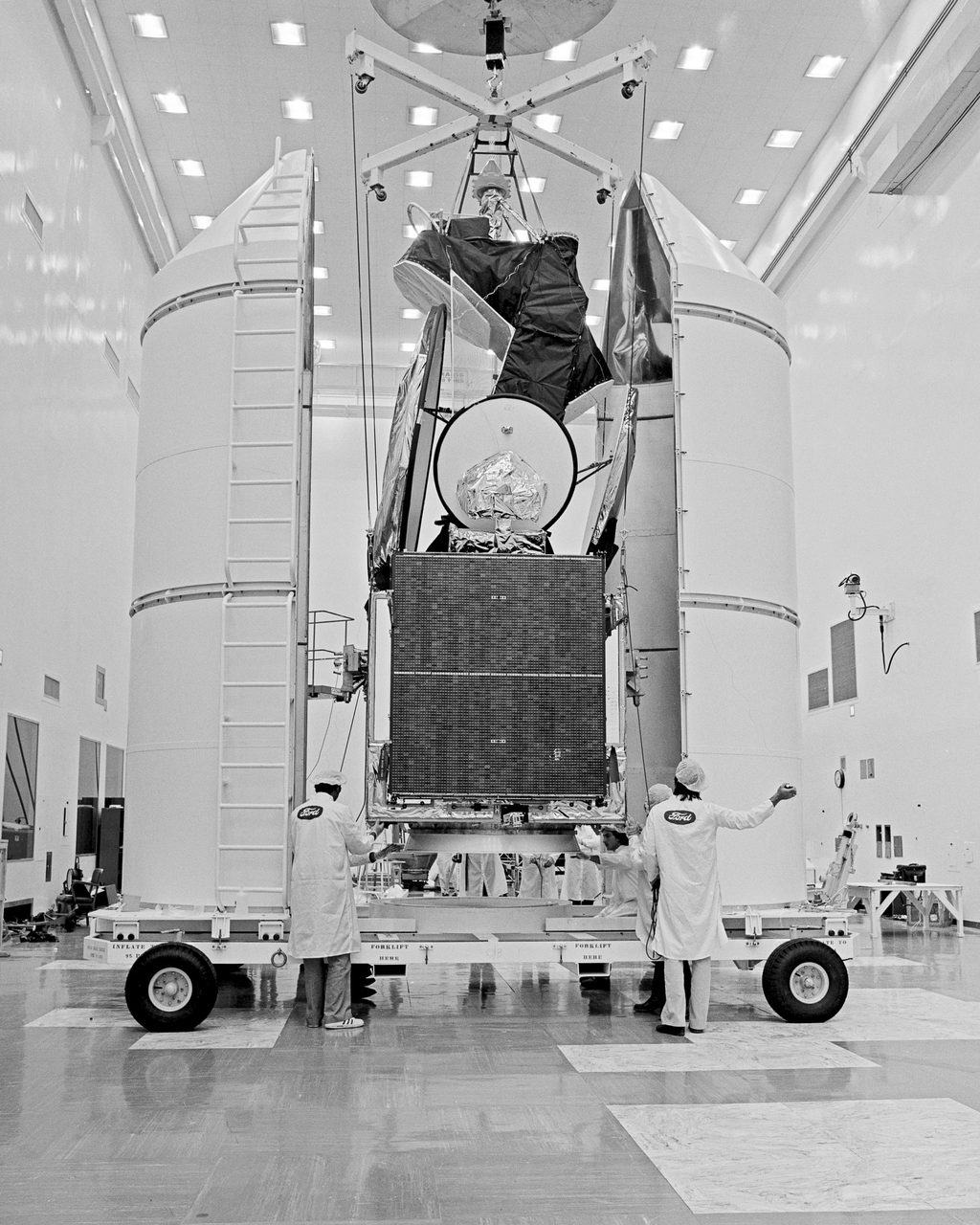
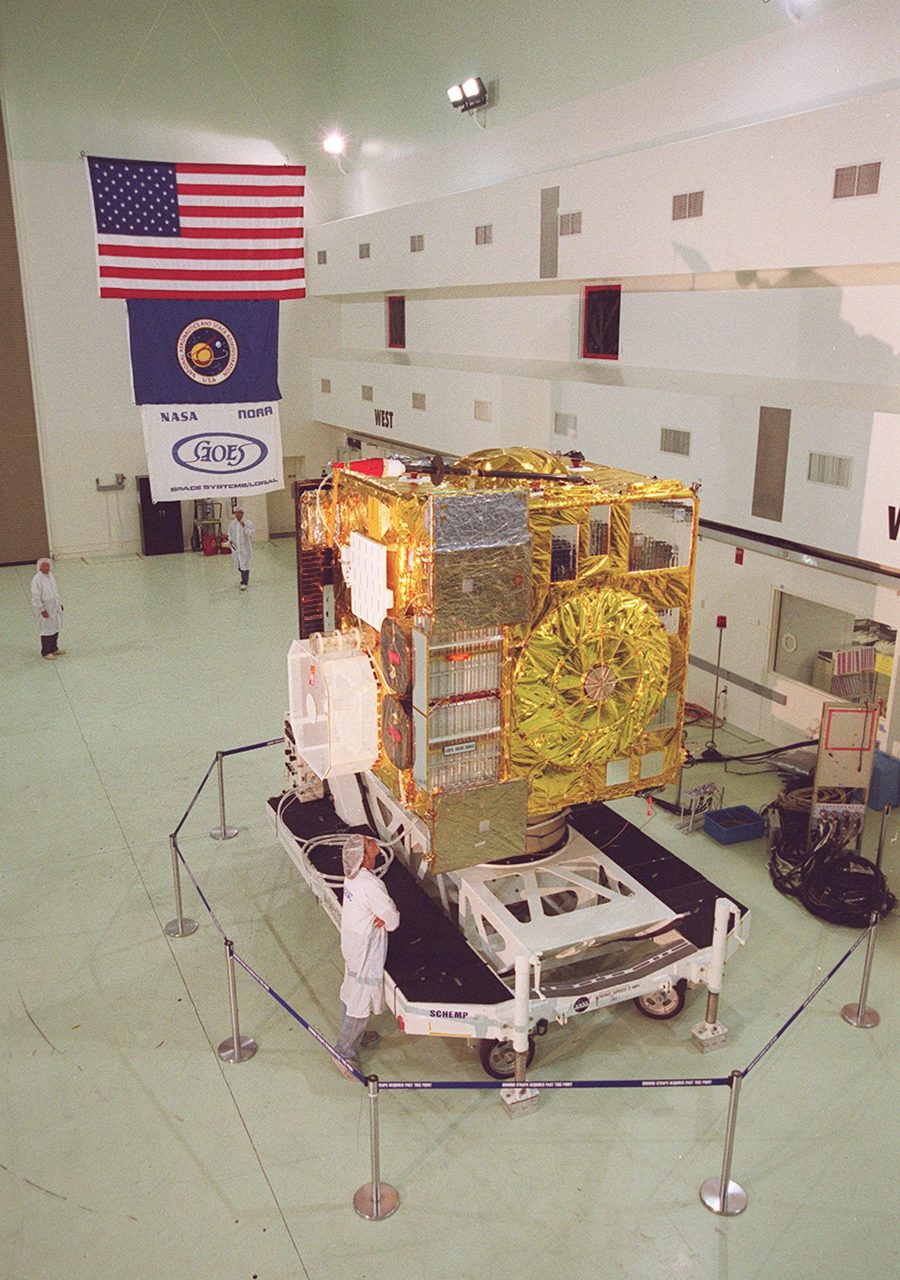
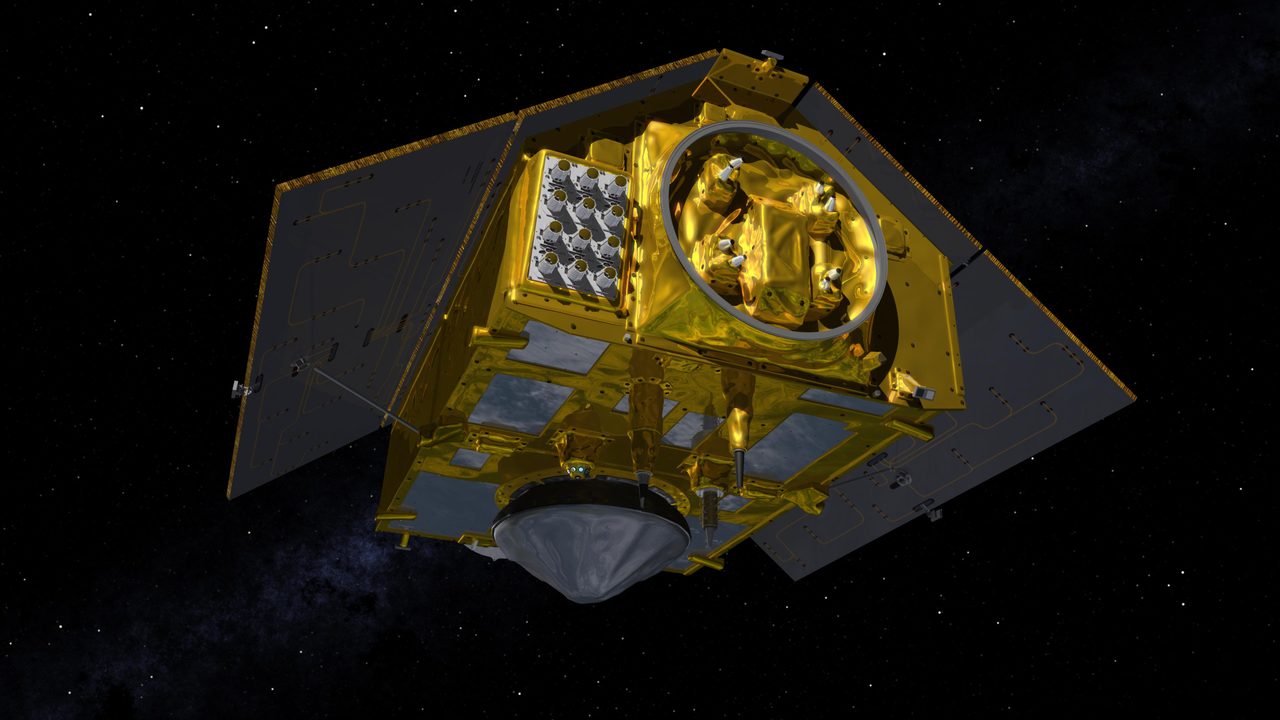
Intelsat is a leading provider of satellite communication services, operating a fleet of geostationary satellites. Founded in 1964, Intelsat has played a pivotal role in developing global satellite communications.
What is Intelsat?
Intelsat is a leading provider of satellite communication services, operating a fleet of geostationary satellites. Founded in 1964, Intelsat has played a pivotal role in developing global satellite communications. The company provides services to media companies, internet service providers, and government agencies worldwide. Intelsat's satellites facilitate a wide range of communications, including television broadcasting, internet connectivity, and secure government communications.
Mission and Purpose

The primary mission of Intelsat is to deliver reliable and efficient communication services across the globe. Its satellites are strategically positioned in geostationary orbit, approximately 35,786 kilometres above the equator, allowing them to maintain a fixed position relative to the Earth's surface. This positioning is crucial for providing consistent and uninterrupted service. Intelsat's network supports a variety of applications, from broadcasting live events to enabling remote internet access in underserved regions.
Orbital Characteristics

Intelsat satellites are located in geostationary orbit, which means they orbit the Earth at the same rotational speed as the planet. This allows them to remain stationary over a specific geographical area. For example, Intelsat 35e, with NORAD ID 42818, is positioned at 325.5° East longitude. The geostationary orbit has an inclination of 0° and a period of 24 hours. These characteristics are essential for maintaining a stable communication link with ground stations.
Significance and Legacy
Intelsat has been a pioneer in satellite communications, significantly contributing to the development of global connectivity. It was instrumental in the first live television broadcast across the Atlantic in 1965. Over the decades, Intelsat has expanded its services and capabilities, adapting to the growing demand for data and connectivity. Its legacy is marked by technological innovation and a commitment to bridging communication gaps worldwide.
Current Status
As of 2023, Intelsat continues to operate a robust fleet of satellites, providing services to a diverse range of clients. The company is actively involved in expanding its capabilities, including the deployment of high-throughput satellites (HTS) to meet the increasing demand for broadband services. Intelsat's current operations can be tracked using the Orbital Radar Satellite Library, which provides detailed information about each satellite's status and specifications.
📎 Cite this article
Orbital Radar Newsroom. (2026). Intelsat: The Geostationary Communications Pioneer. Orbital Radar. https://orbitalradar.com/blog/intelsat-geostationary-communications-pioneer"Intelsat: The Geostationary Communications Pioneer." Orbital Radar, 31 August 2026, https://orbitalradar.com/blog/intelsat-geostationary-communications-pioneer.@misc{orbitalradar_intelsat_geostationary_communications_pi,
title = {Intelsat: The Geostationary Communications Pioneer},
author = {{Orbital Radar}},
year = {2026},
howpublished = {\url{https://orbitalradar.com/blog/intelsat-geostationary-communications-pioneer}}
}