Satellite Spotlight: Voyager 1 — Humanity's Most Distant Spacecraft
Voyager 1 is a space probe launched by NASA on September 5, 1977, as part of the Voyager programme. Its primary mission was to explore the outer planets of our solar system, specifically Jupiter and Saturn.
What is Voyager 1?
Voyager 1 is a space probe launched by NASA on September 5, 1977, as part of the Voyager programme. Its primary mission was to explore the outer planets of our solar system, specifically Jupiter and Saturn. Voyager 1 is renowned for being the most distant human-made object from Earth, currently travelling through interstellar space. The spacecraft carries a golden record, a phonograph record containing sounds and images selected to portray the diversity of life and culture on Earth, intended for any intelligent extraterrestrial life that might encounter it.
Mission and Purpose
Voyager 1's mission was initially designed to take advantage of a rare planetary alignment that occurs once every 176 years, allowing a spacecraft to visit multiple planets with minimal fuel. It successfully conducted flybys of Jupiter and Saturn, providing detailed images and data about these gas giants and their moons. The mission has since been extended to study the outer boundaries of the Sun's influence and the interstellar medium beyond. Voyager 1's instruments continue to send valuable data back to Earth, despite being billions of kilometres away.
Orbital Characteristics

Voyager 1 is not in a traditional orbit around any celestial body. Instead, it is on a trajectory that is taking it out of the solar system. As of now, it is approximately 23.3 billion kilometres from Earth. It travels at a velocity of about 17 kilometres per second relative to the Sun. The spacecraft's path is influenced by the gravitational forces of the planets it once visited, and it is currently heading towards the constellation Ophiuchus. Voyager 1's journey through interstellar space can be tracked using resources like the Orbital Radar Satellite Library.
Significance and Legacy
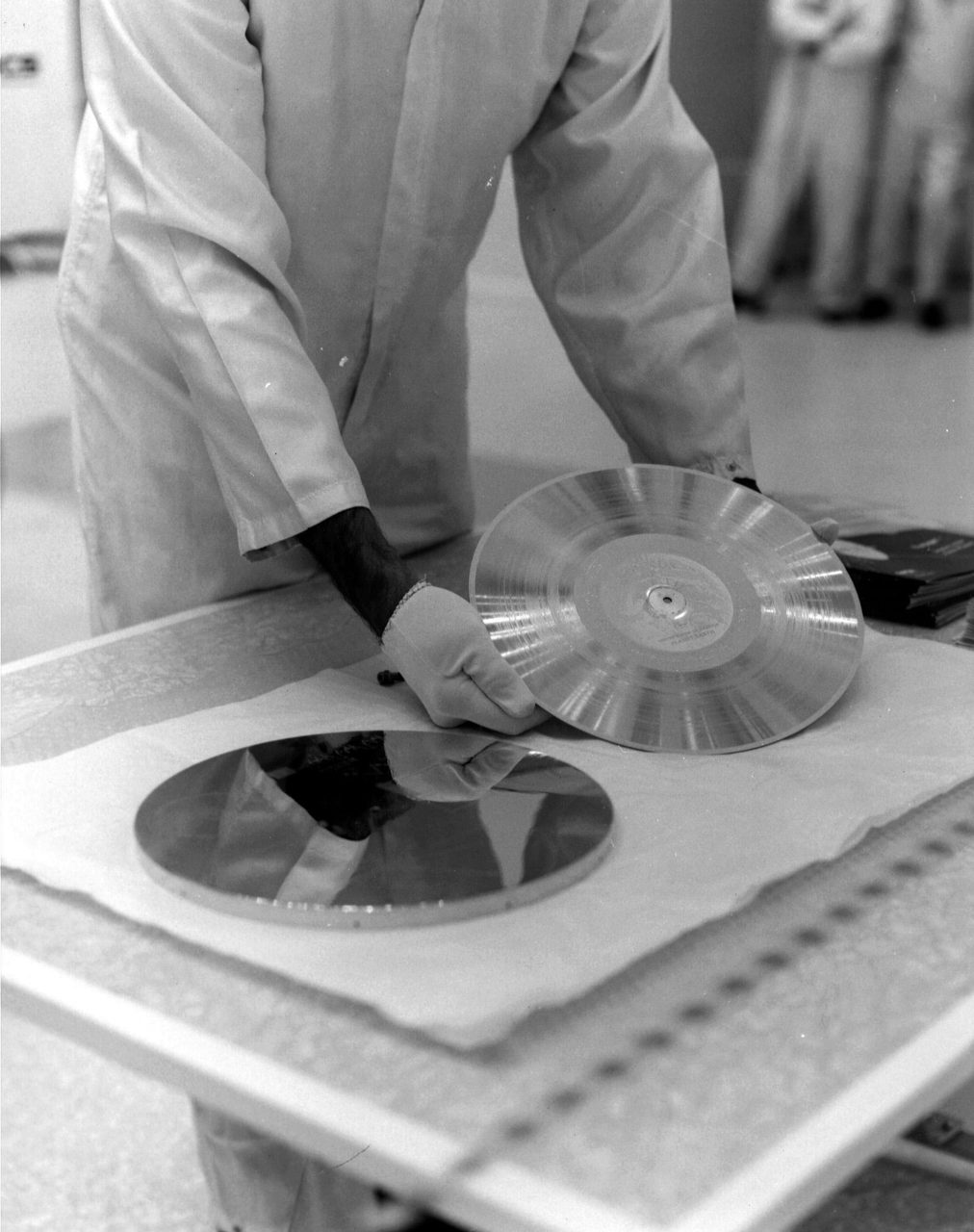
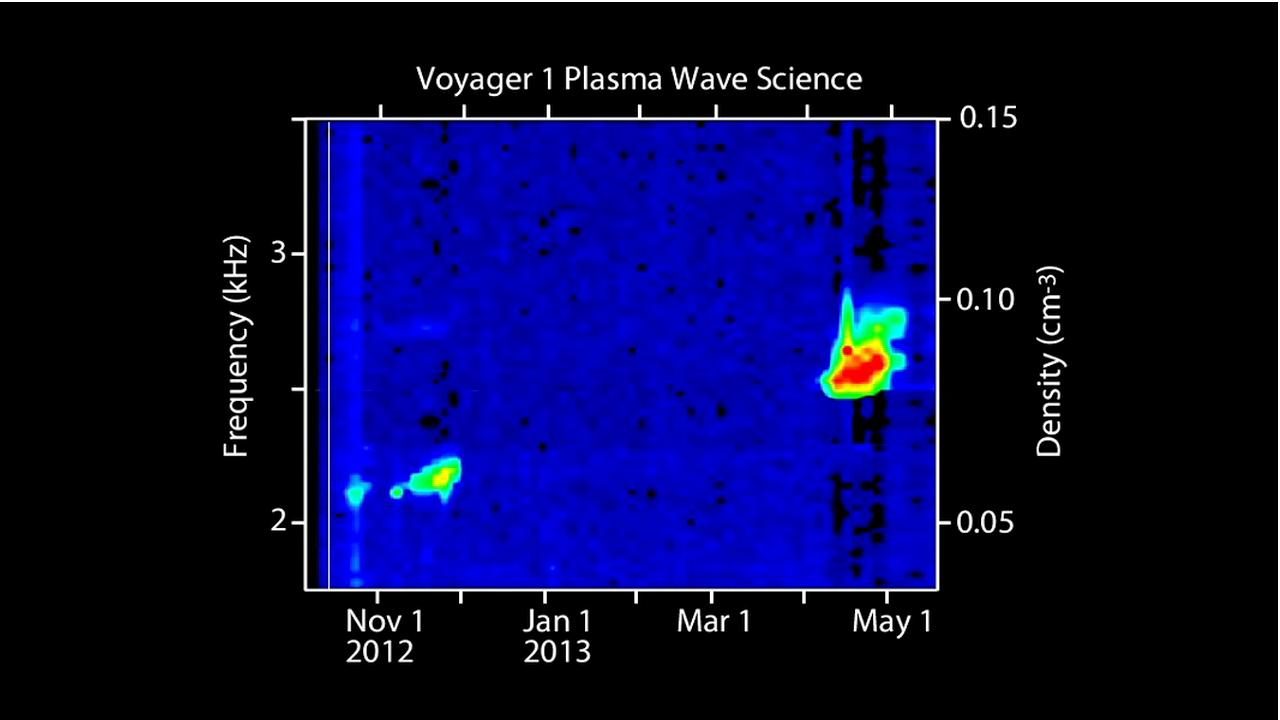
Voyager 1 has made numerous scientific contributions, including the discovery of active volcanoes on Jupiter's moon Io and the intricate structure of Saturn's rings. Its passage into interstellar space in August 2012 marked a historic milestone, providing humanity with its first direct measurements of the interstellar medium. Voyager 1's enduring legacy lies in its role as a pioneer of deep space exploration, inspiring subsequent missions and capturing the imagination of people worldwide. The probe's golden record remains a symbolic message to the cosmos, representing humanity's desire to reach beyond our solar system.
Current Status
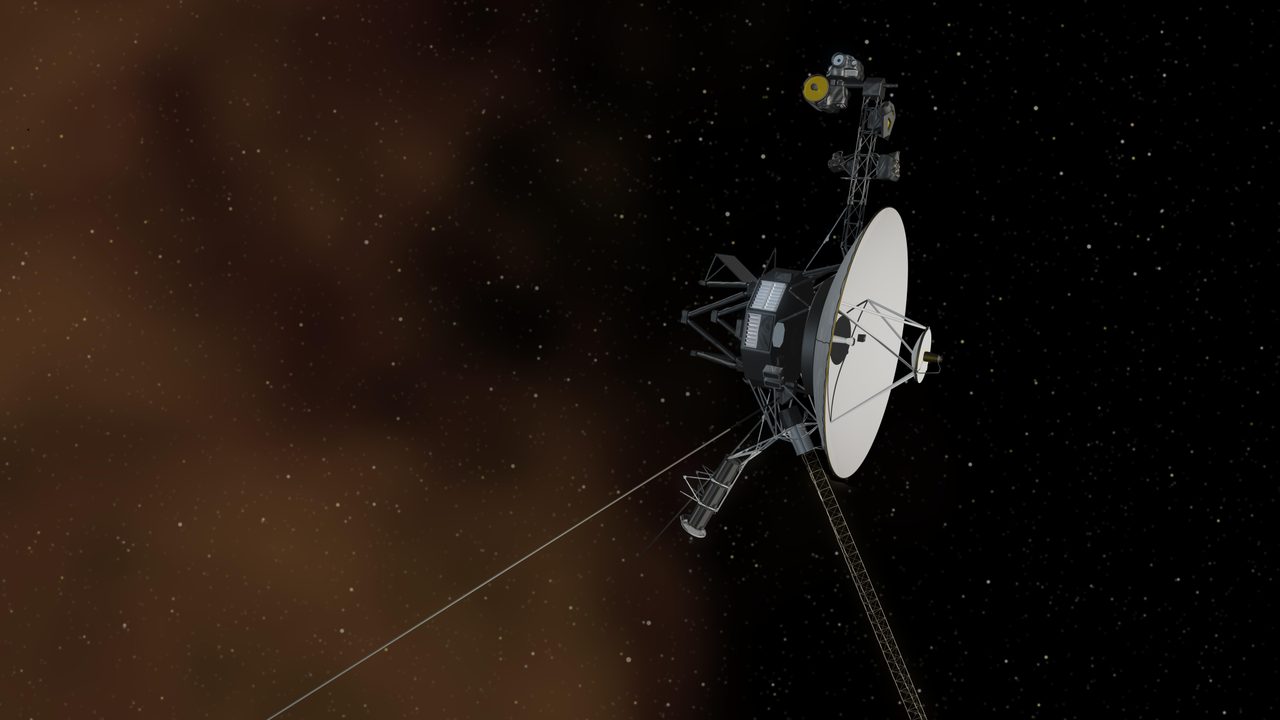
Voyager 1 continues to communicate with Earth, albeit with a signal that takes over 21 hours to reach us. The spacecraft's power supply, generated by radioisotope thermoelectric generators, is gradually diminishing. NASA has been shutting down non-essential systems to conserve energy, allowing the probe to continue its mission into the 2030s. Voyager 1's instruments are still operational, and it continues to send back data on cosmic rays and the magnetic field in interstellar space. For real-time updates on its status, the Orbital Radar Satellite Library provides detailed information.
📎 Cite this article
Orbital Radar Newsroom. (2026). Satellite Spotlight: Voyager 1 — Humanity's Most Distant Spacecraft. Orbital Radar. https://orbitalradar.com/blog/voyager-1-humanitys-most-distant-spacecraft"Satellite Spotlight: Voyager 1 — Humanity's Most Distant Spacecraft." Orbital Radar, 27 August 2026, https://orbitalradar.com/blog/voyager-1-humanitys-most-distant-spacecraft.@misc{orbitalradar_voyager_1_humanitys_most_distant_spacecr,
title = {Satellite Spotlight: Voyager 1 — Humanity's Most Distant Spacecraft},
author = {{Orbital Radar}},
year = {2026},
howpublished = {\url{https://orbitalradar.com/blog/voyager-1-humanitys-most-distant-spacecraft}}
}