CSS Tianhe: Core Module of China's Space Station
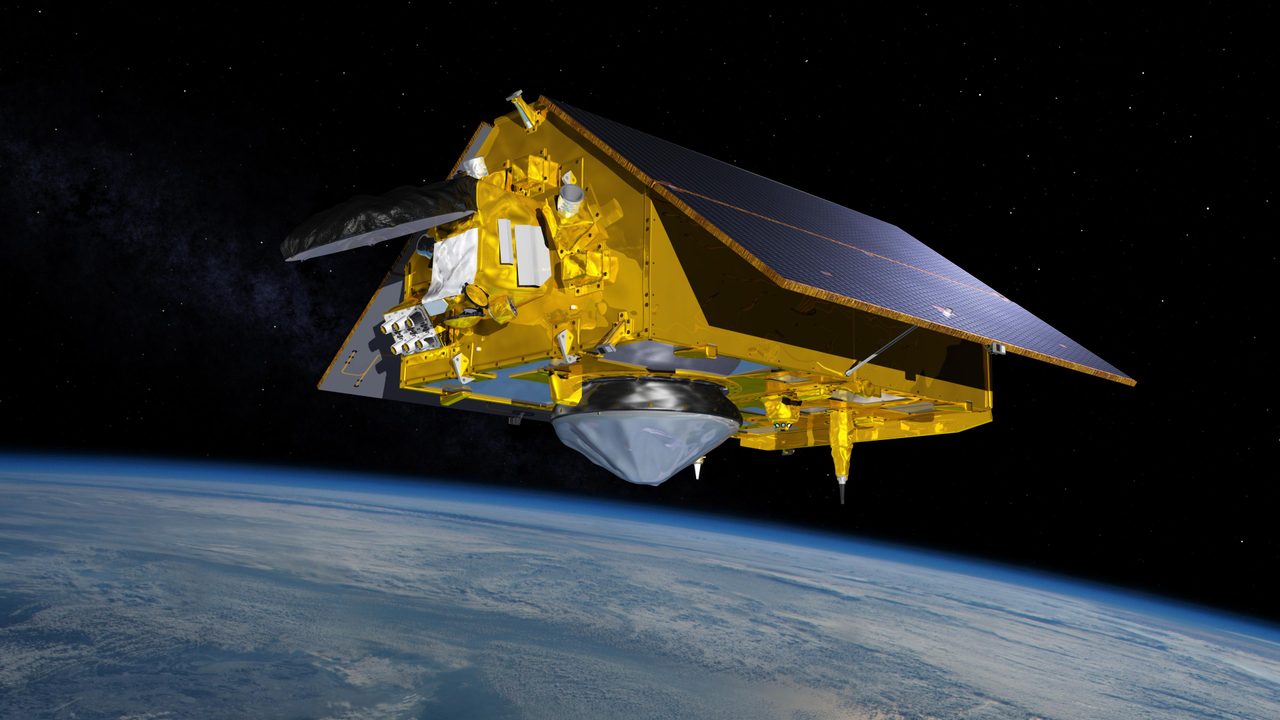
CSS Tianhe, also known as the 'Harmony of the Heavens', is the core module of China's Tiangong space station. Launched on April 29, 2021, aboard a Long March 5B rocket, Tianhe serves as the primary control hub for the station.
What is CSS Tianhe?
CSS Tianhe, also known as the 'Harmony of the Heavens', is the core module of China's Tiangong space station. Launched on April 29, 2021, aboard a Long March 5B rocket, Tianhe serves as the primary control hub for the station. It is equipped with life support and living quarters for astronauts, as well as docking ports for additional modules and visiting spacecraft.
Mission and Purpose
The primary mission of Tianhe is to facilitate the assembly and operation of the Tiangong space station. It provides essential functions such as navigation, propulsion, and power supply. The module supports scientific research in microgravity and serves as a platform for international collaboration in space exploration. Tianhe's design reflects China's ambition to establish a long-term human presence in low Earth orbit.
Orbital Characteristics
Tianhe orbits Earth at an altitude of approximately 380 kilometres, with an inclination of 41.5 degrees. This orbit allows the station to be accessible from various launch sites and facilitates frequent crew rotations and resupply missions. The module completes an orbit roughly every 90 minutes. Its NORAD ID is 48274, and its position and visible passes can be checked on the Orbital Radar pass predictor.
Significance and Legacy
The launch of Tianhe marked a significant milestone in China's space programme, showcasing its growing capabilities in human spaceflight. The Tiangong space station is set to be one of the few operational space stations in orbit, alongside the International Space Station (ISS). Tianhe's development reflects China's strategic goal to become a leading space power by the mid-21st century, contributing to the global space community.
Current Status
As of now, Tianhe is fully operational and serves as the core of the Tiangong space station. The module has been visited by multiple crewed missions, with astronauts conducting scientific experiments and maintenance tasks. The station is expected to be completed with the addition of the Wentian and Mengtian modules. For more details on its current status, refer to the Orbital Radar satellite library.
📎 Cite this article
Orbital Radar Newsroom. (2026). CSS Tianhe: Core Module of China's Space Station. Orbital Radar. https://orbitalradar.com/blog/css-tianhe-core-module-china-space-station"CSS Tianhe: Core Module of China's Space Station." Orbital Radar, 30 August 2026, https://orbitalradar.com/blog/css-tianhe-core-module-china-space-station.@misc{orbitalradar_css_tianhe_core_module_china_space_stati,
title = {CSS Tianhe: Core Module of China's Space Station},
author = {{Orbital Radar}},
year = {2026},
howpublished = {\url{https://orbitalradar.com/blog/css-tianhe-core-module-china-space-station}}
}