This Week in Orbit
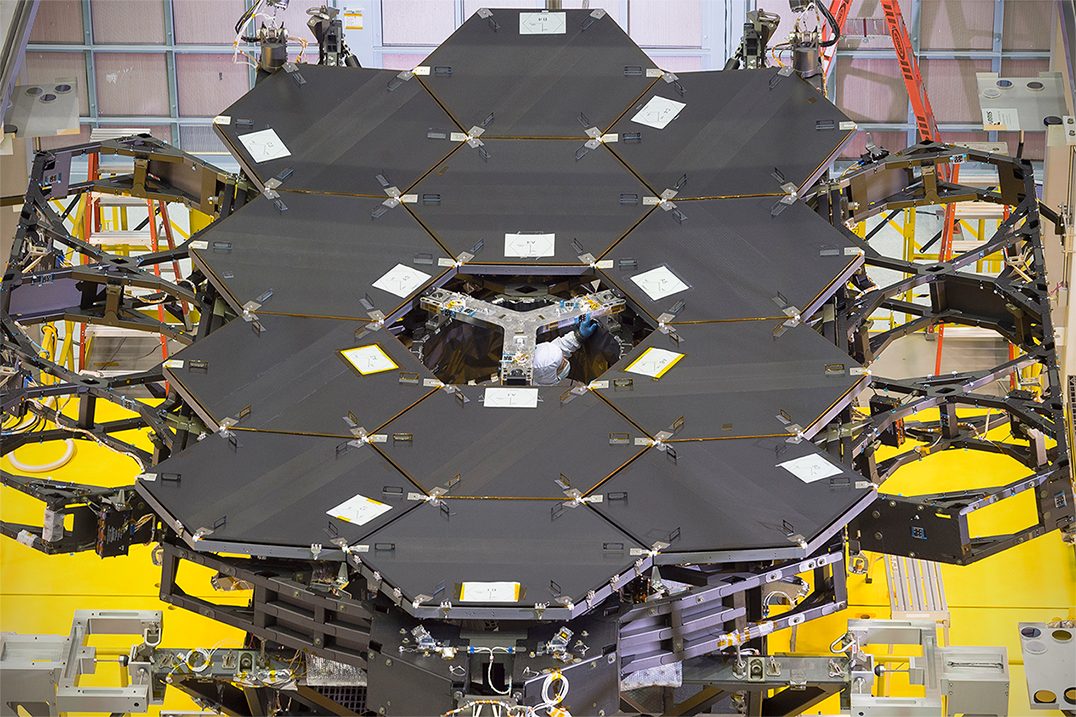
This week, the James Webb Space Telescope revealed a warped structure within the protoplanetary disk of TW Hydrae, a nearby star system, providing new insights into planet formation processes. Meanwhile, the U.S.
Week Overview
This week, the James Webb Space Telescope revealed a warped structure within the protoplanetary disk of TW Hydrae, a nearby star system, providing new insights into planet formation processes. Meanwhile, the U.S. Air Force has expanded its rocket cargo contract with Blue Origin, signalling increased military interest in space logistics. Additionally, the DESI (Dark Energy Spectroscopic Instrument) side project has unveiled spectra of disintegrated exoplanets, offering a glimpse into the fate of these distant worlds.
Launch Activity
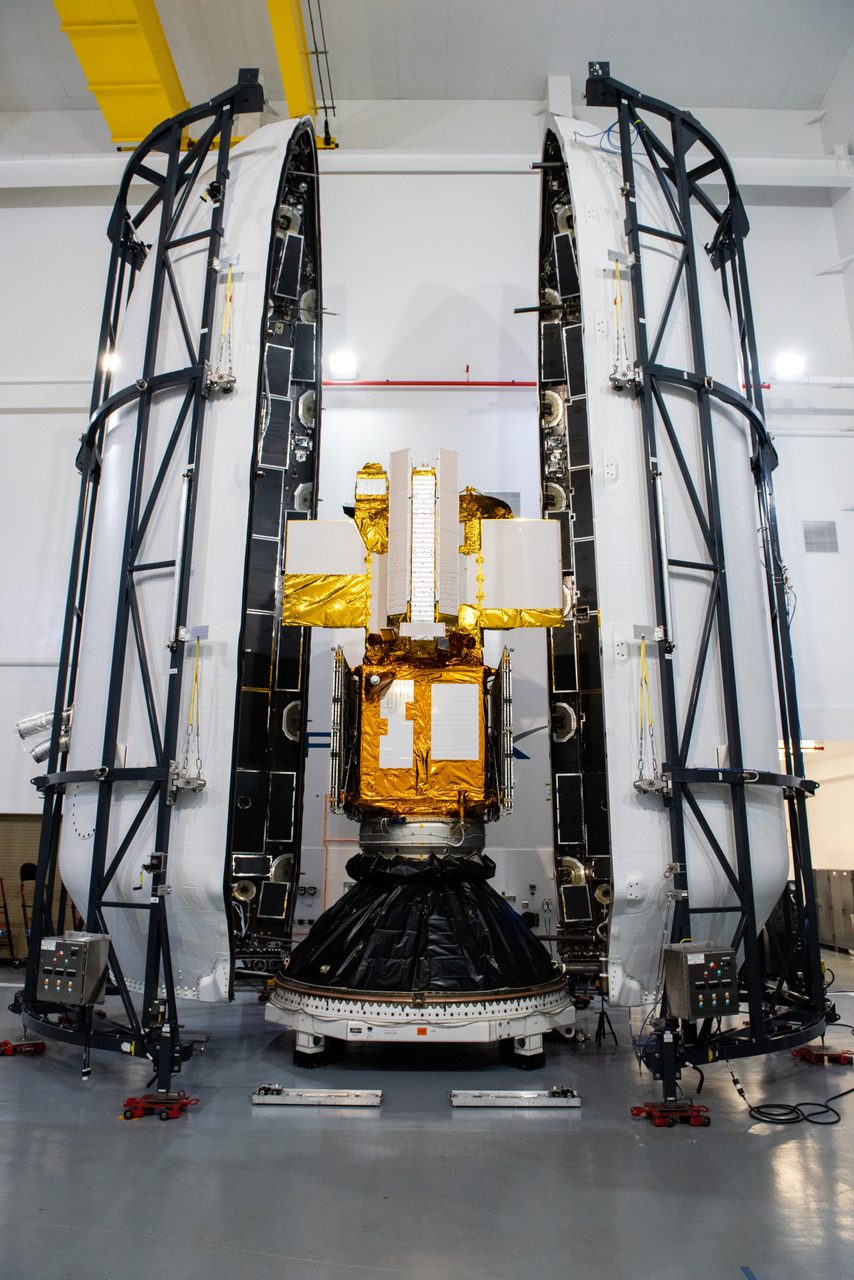
No new launches were recorded this week, marking a pause in the otherwise bustling schedule of global space activities. This lull follows recent delays, including the postponement of the first orbital rocket launch from the UK due to a rocket issue. For upcoming launches, refer to the Orbital Radar Launch Schedule page.
Orbital Events
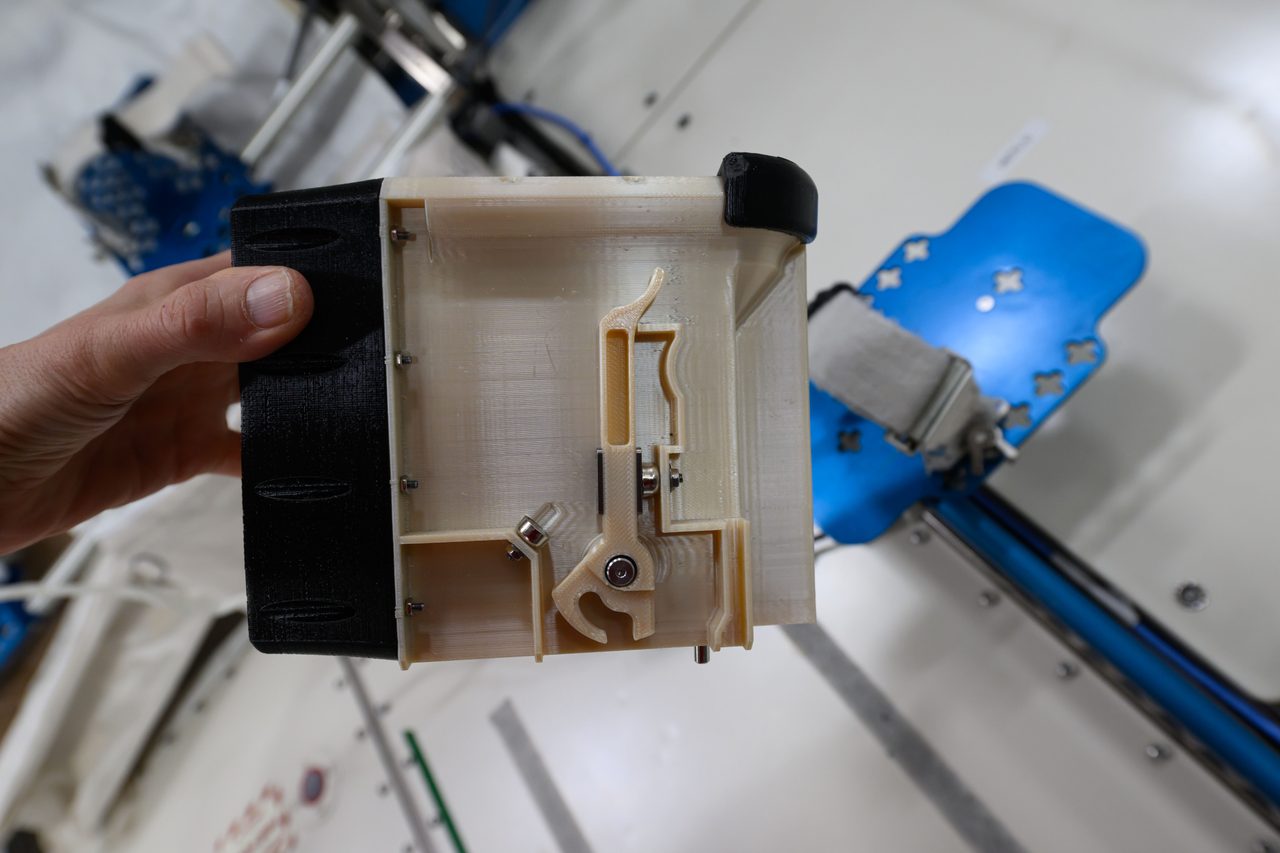
A series of close approaches were tracked this week, with the narrowest being between OBJECT B and OBJECT C at a minimum distance of 0.46 km. Other notable conjunctions included TIANHUI 5A and TIANHUI 5B at 0.70 km. These events underscore the growing congestion in orbit, which can be further explored on the Orbital Radar Debris Map.
Space Weather
Space weather data was unavailable this week, leaving a gap in monitoring solar activity and its potential impacts on satellite operations. The importance of space weather is highlighted in the Orbital Radar Space Academy, which provides educational resources on the subject.
Notable Satellites
The number of active satellites in orbit has reached 18,516, with Starlink accounting for 10,875 of these. The breakdown includes 9,641 operational satellites, 961 raising their orbits, and 274 in the process of deorbiting. The Starlink Tracker on Orbital Radar offers detailed insights into the constellation's status.
Looking Ahead
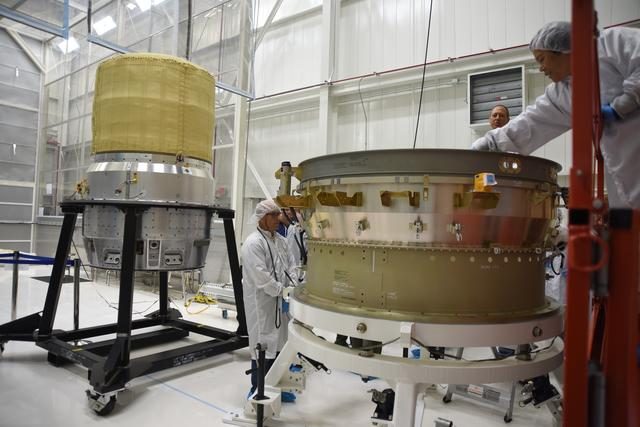
As we look forward, the Orbital Radar Re-entry Tracker indicates 11 predicted re-entries soon, with 50 re-entries having occurred this week. This reflects the ongoing management of space debris and the lifecycle of satellites. For future developments, the Orbital Radar Launch Log provides a comprehensive history of orbital launches.
📎 Cite this article
Orbital Radar Newsroom. (2026). This Week in Orbit. Orbital Radar. https://orbitalradar.com/blog/this-week-in-orbit-2023-08-03"This Week in Orbit." Orbital Radar, 3 August 2026, https://orbitalradar.com/blog/this-week-in-orbit-2023-08-03.@misc{orbitalradar_this_week_in_orbit_2023_08_03,
title = {This Week in Orbit},
author = {{Orbital Radar}},
year = {2026},
howpublished = {\url{https://orbitalradar.com/blog/this-week-in-orbit-2023-08-03}}
}